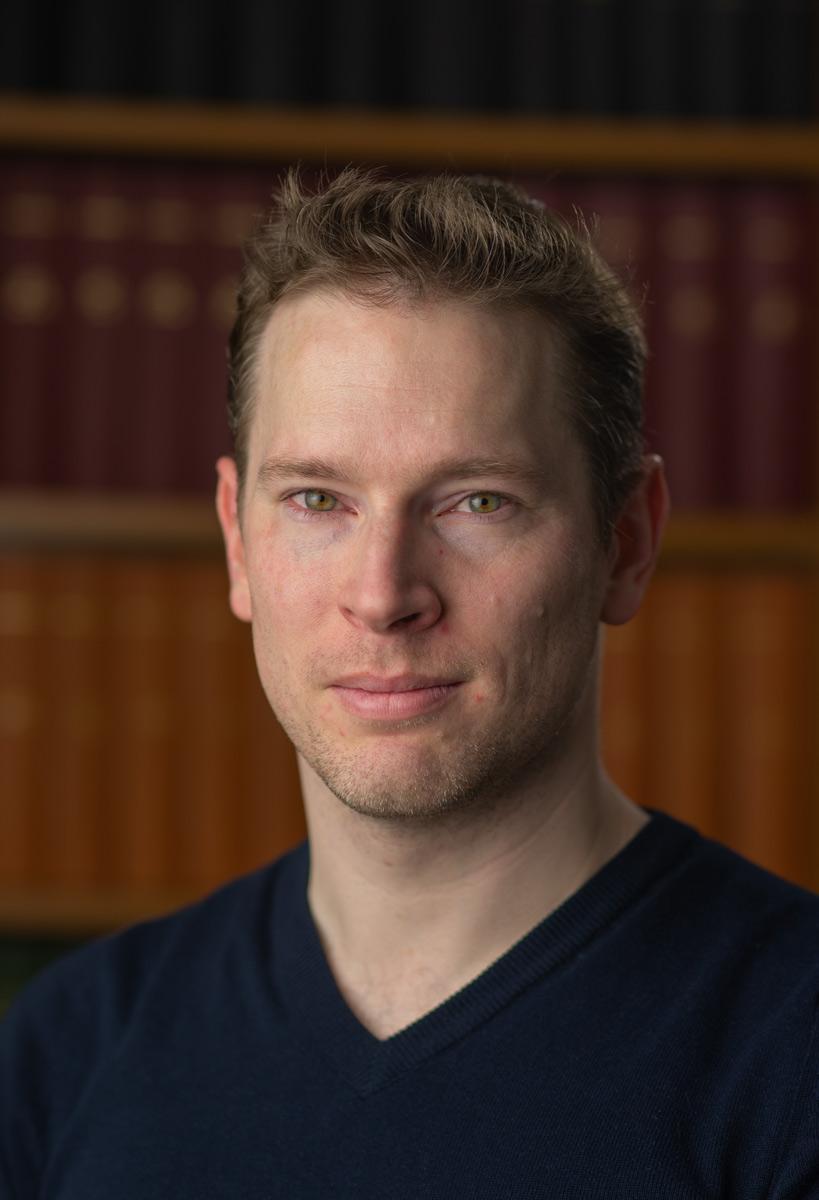
Many congratulations to Unit Postdoctoral Fellow Dr. Jeffrey Stedehouder on being awarded a Blue Sky Proof-of-Concept Award by Cambridge NeuroWorks.
Through the Award, Jeffrey will study the use of precise transcranial ultrasound stimulation as a tool to target difficult-to-treat cognitive symptoms in people with schizophrenia. Schizophrenia is a psychiatric disorder with a high prevalence globally, regardless of continent, country, or culture. People with schizophrenia can have problems in thinking and memory, symptoms that are often not alleviated by medications. Preclinical research in the Unit has shown that a single region deep in the brain could play a key role in these symptoms. The new technique of transcranial ultrasound stimulation – high frequency sound waves delivered from outside the skull – could target this particular brain region safely and precisely, making it a promising candidate to improve cognitive functioning in people with schizophrenia.
The project team includes Unit members Dr. Valentina Mancini, Tim den Boer, and Prof. Charlotte Stagg.
Jeffrey commented: “Cognitive symptoms in schizophrenia are a major unmet need, with people with schizophrenia facing important challenges in everyday life. The combined research in the BNDU using preclinical disease models along with technological advances in non-invasive brain stimulation in humans has now enabled, for the first time, a direct informed approach to target these symptoms.” Unit Director Professor Peter Magill commented: “The effective translation of new knowledge gained through fundamental discovery science lies at the heart of the BNDU’s research and innovation strategy. Jeff and the team deserve much credit for identifying and taking this important opportunity to advance their translational research towards new and improved treatments for psychiatric brain conditions.”
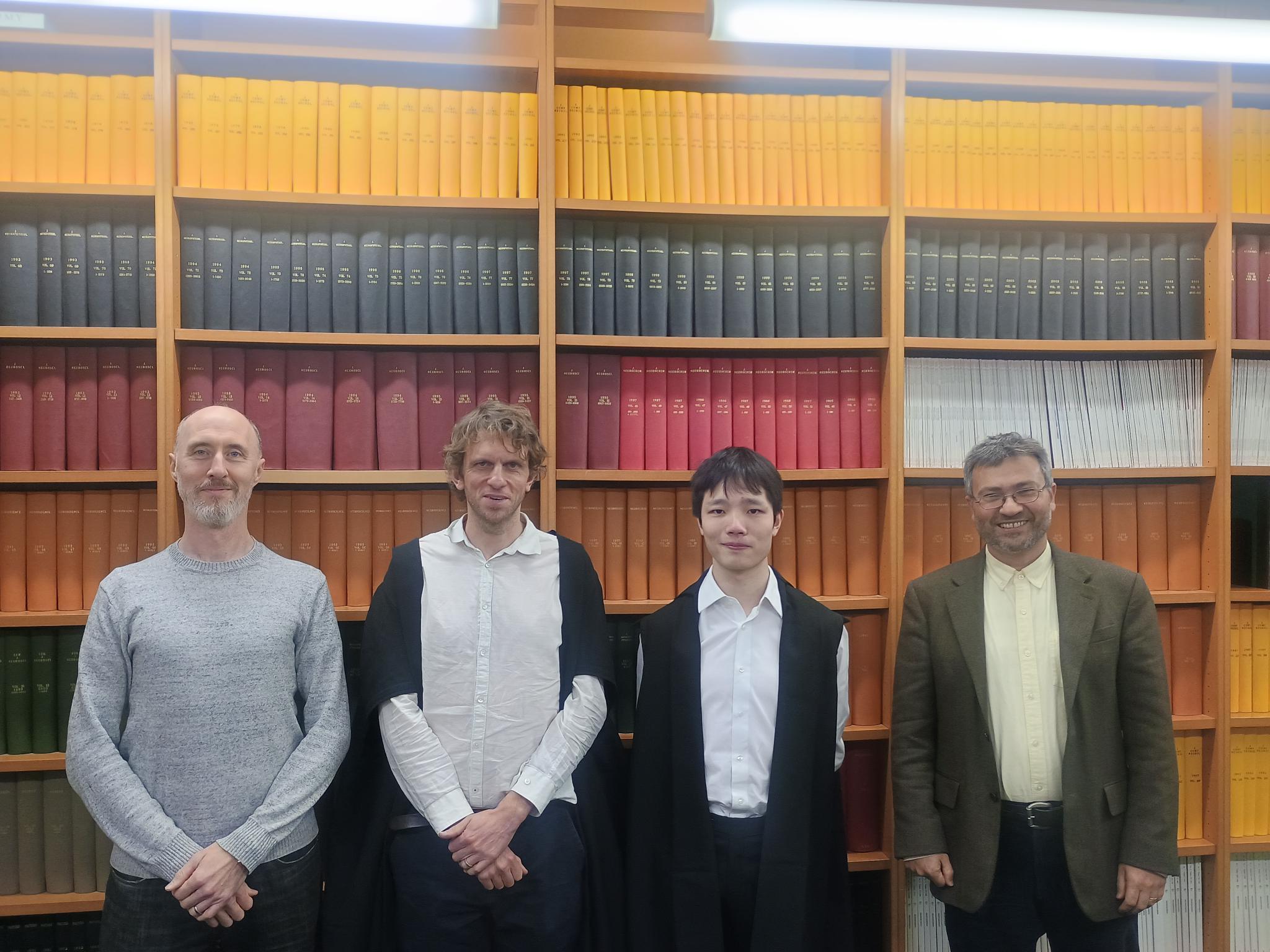
Our congratulations go to Unit D.Phil. student Yuhao Wang for successfully defending his doctoral thesis, entitled “Beyond reward: striatal dopamine in exploration and habit formation”.
Yuhao’s viva examiners were Professor Mark Humphries (University of Nottingham) and Associate Professor Thomas Akam (University of Oxford).
Yuhao was supervised in the Unit by Professor Rafal Bogacz.
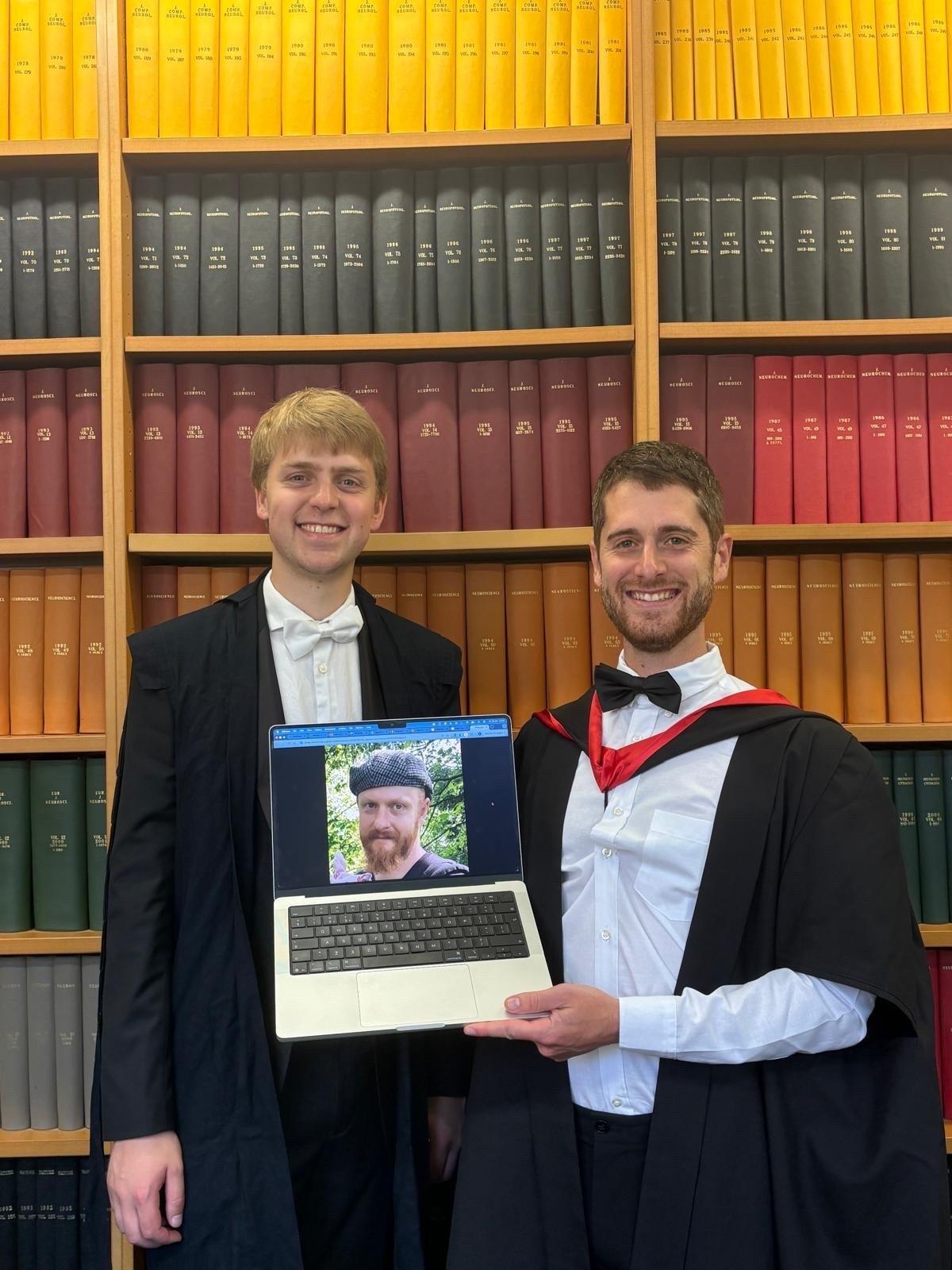
Our congratulations go to Unit D.Phil. student Gaspard Oliviers for successfully defending his doctoral thesis, entitled “An Analysis and Extension of Predictive Coding for Learning in the Brain”, in his viva voce examination on 19 June 2026.
Gaspard’s viva examiners were Professor Christopher Buckley (University of Sussex) and Associate Professor Rui Ponte Costa (University of Oxford).
Gaspard was supervised in the Unit by Professor Rafal Bogacz.
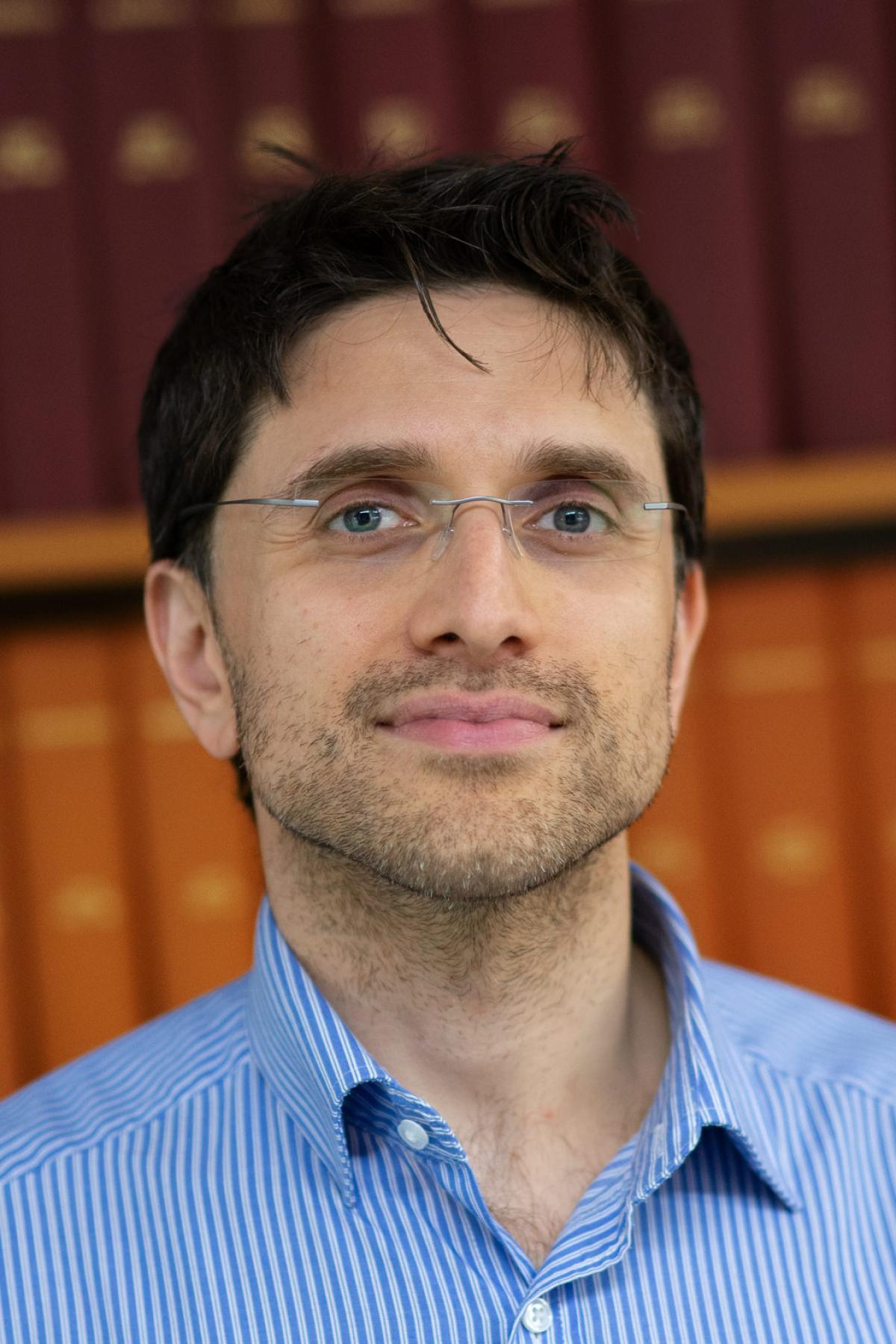
Associate Professor Ashwini Oswal
Congratulations to Unit Group Leader Dr Ashwini Oswal on being awarded the title of Associate Professor by the University of Oxford.
Associate Professor titles are conferred annually in recognition of an individual’s distinction in their field as well as their wider contributions to research, teaching and administration/citizenship.
Unit Director Professor Peter Magill commented “We are delighted for Ash. This title is richly deserved, reflecting Ash’s outstanding research contributions as a clinician-scientist as well as many other sterling achievements.”
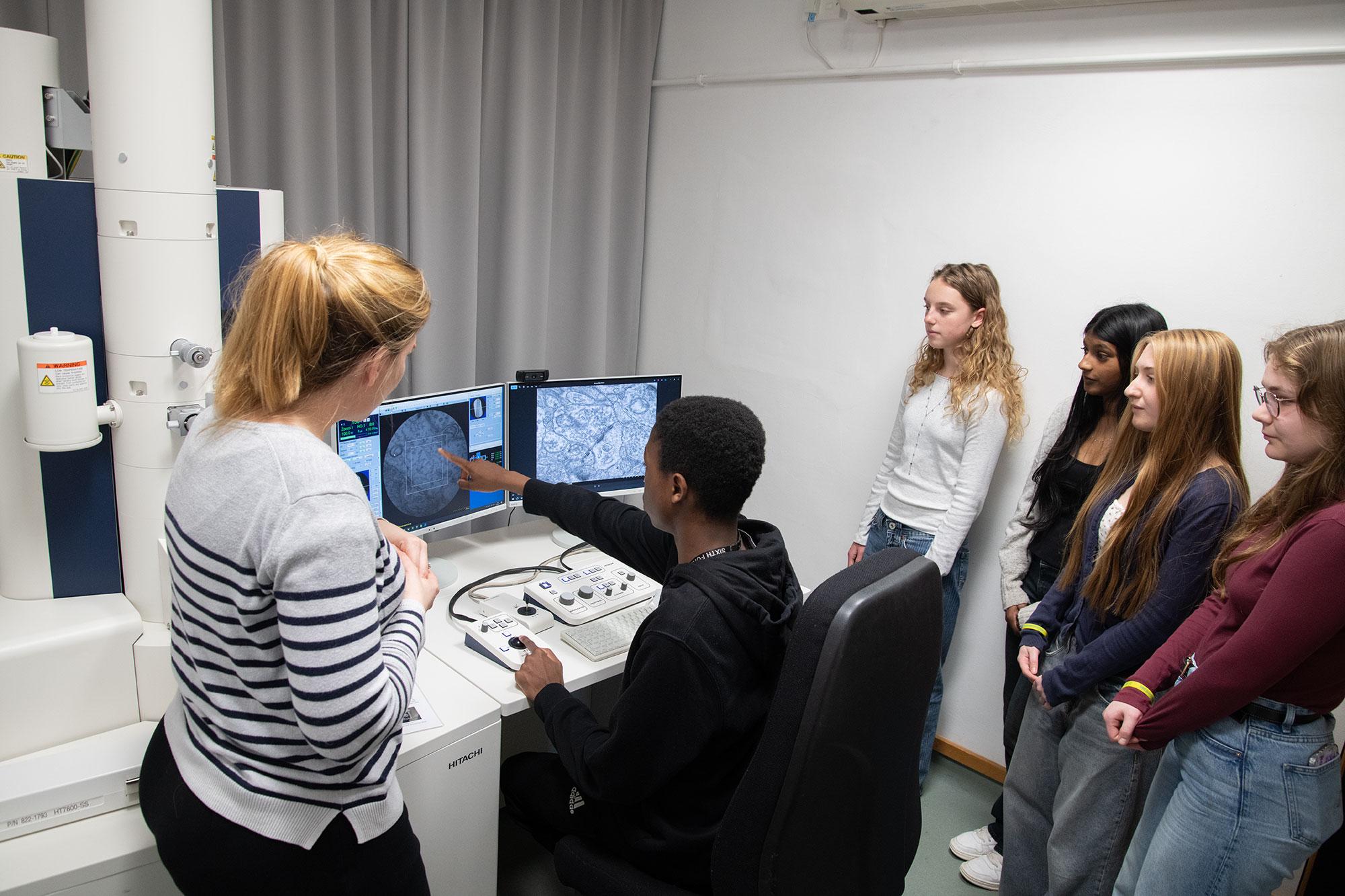
Dr. Natalie Doig (left) answers questions from pupils as they get a chance to explore the smallest structures of brain cells for themselves, using the Unit’s transmission electron microscope
The Brain Network Dynamics Unit was delighted to once again host groups from local state-funded schools for its annual Schools Open Day, held this year on 19th March.
Unit staff and students welcomed pupils and teachers to learn more about STEM (Science, Technology, Engineering and Mathematics) and medical research at the Unit. The Open Day started with a showing of “The Symphony of the Brain” video to familiarise visitors with the Unit’s research. Some of the Unit’s early-career researchers then talked about their experiences of working in STEM, highlighting their diverse educational backgrounds and career paths that led them to join the Unit. This was followed by an interactive discussion of the use of animals in research.
Pupils then rotated in small groups through different hands-on activities led by more early-career researchers. Special emphasis was placed on giving pupils the opportunity to see real working instruments and laboratories for themselves. Engagement activities were coordinated around four ‘knowledge stations’, at which pupils could learn about the Unit’s key research themes, including the activity and structure of the brain in health and disease; human brain stimulation; computer modelling of brain function; and brain-machine interfaces. The visit ended with a wrap-up session capturing feedback.
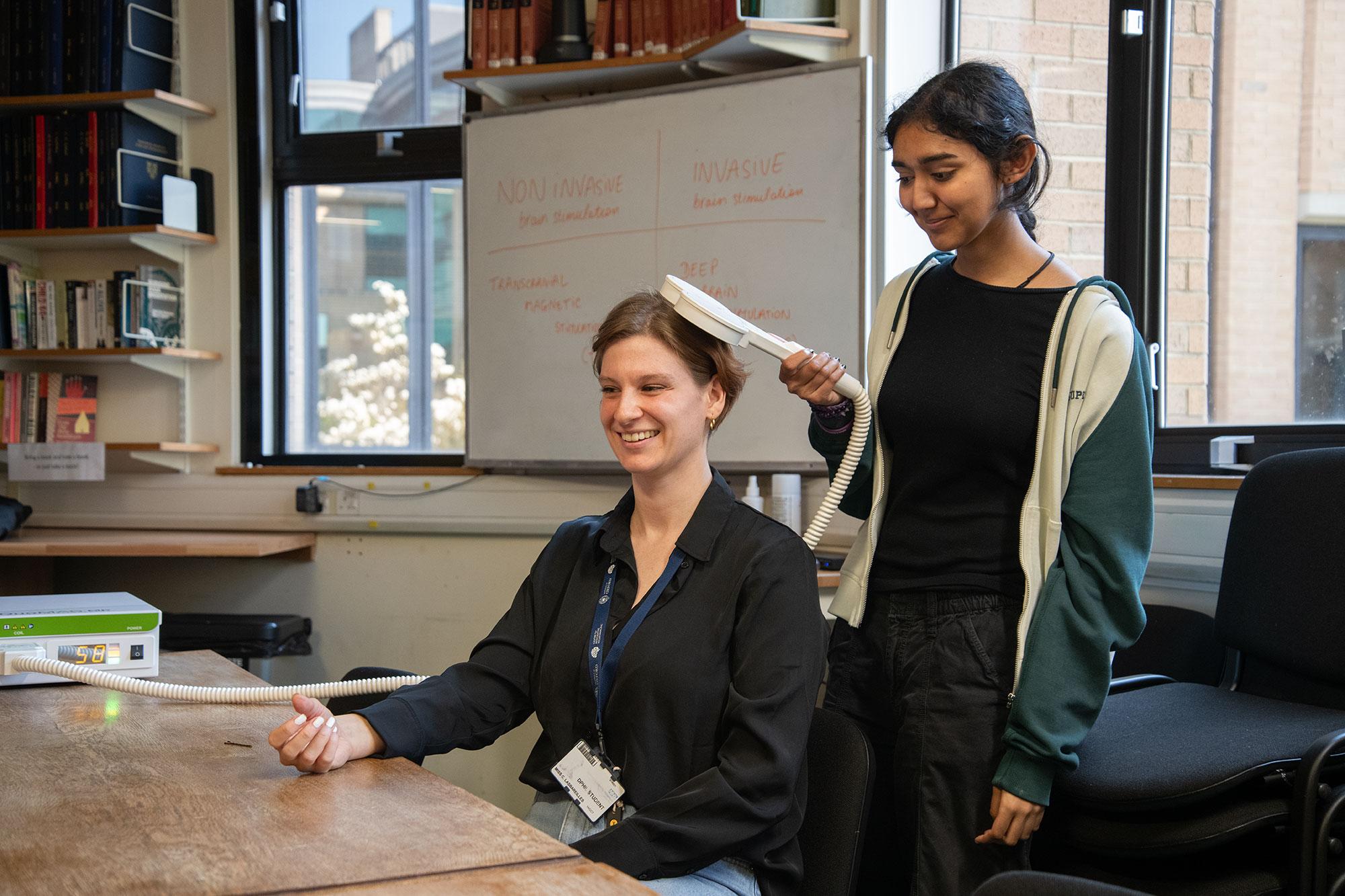
Dr. Camille Lasbareilles guides a pupil to the right part of her motor cortex for hand control. Using transcranial magnetic stimulation, Camille’s hand twitches when the stimulator is correctly placed.
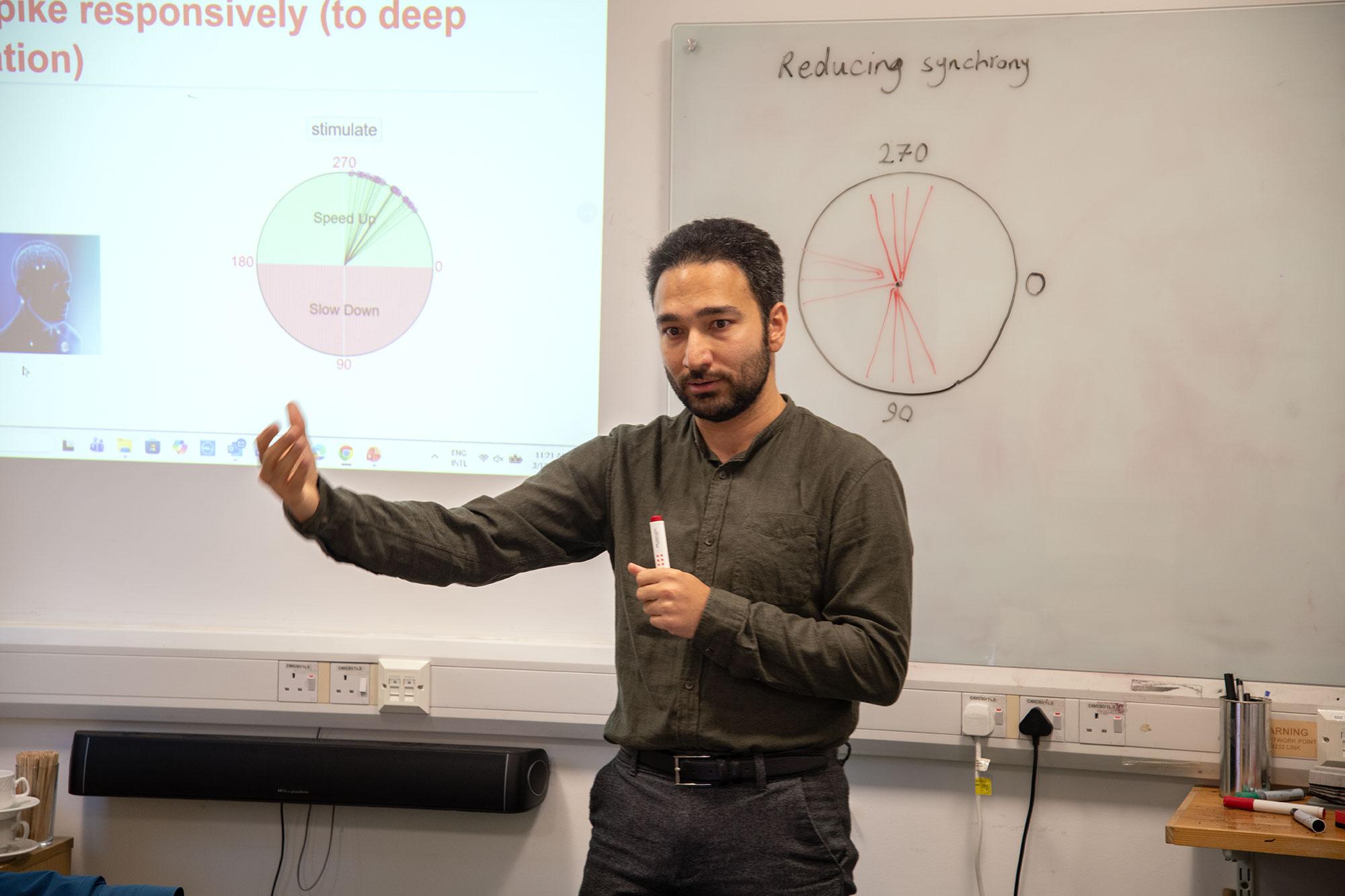
Dr. Nima Mirkhani discusses students’ strategies to secure a ‘high score’ in a game designed to explain deep brain stimulation optimisation to disrupt excessively synchronised neural activity.
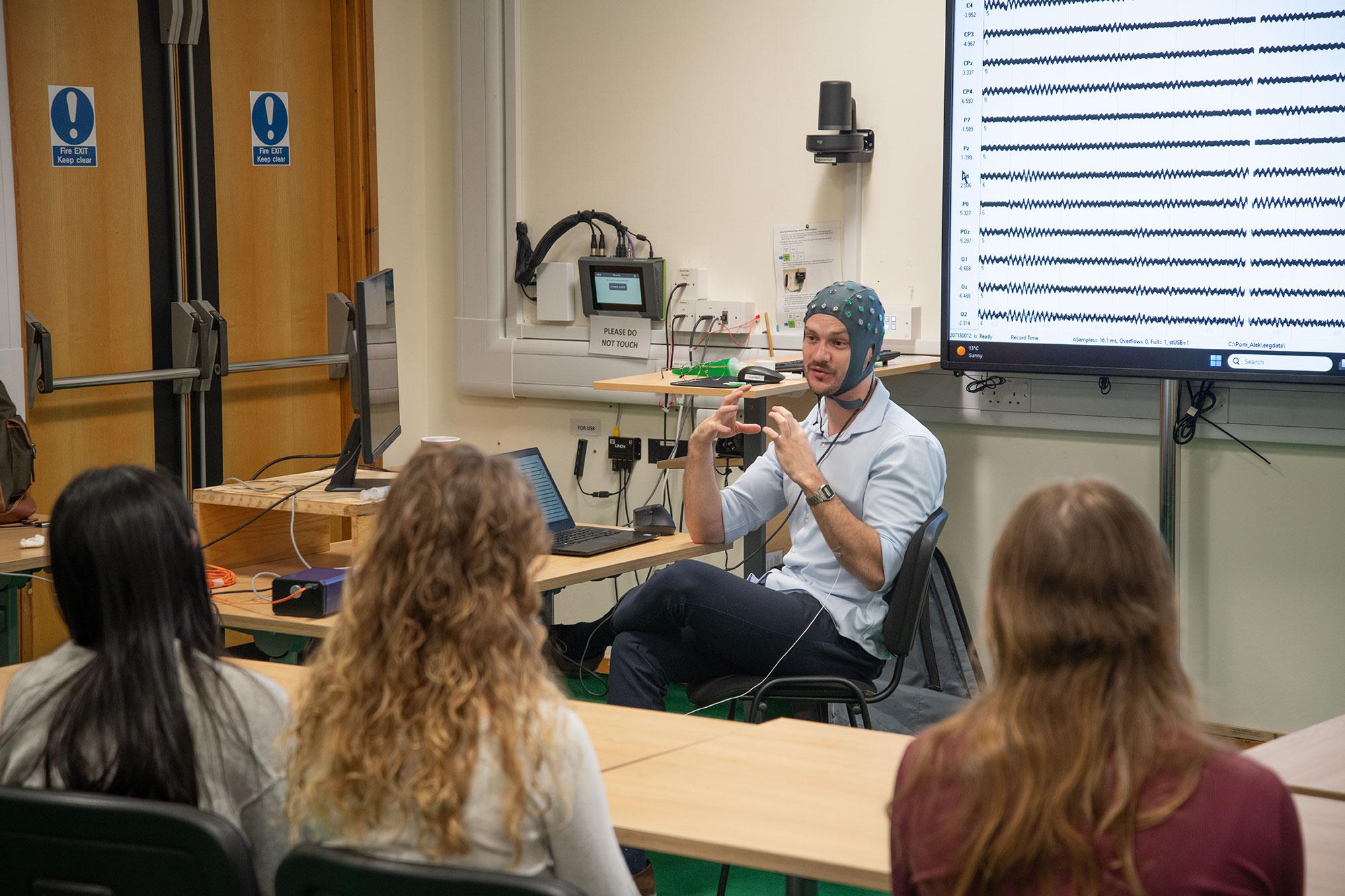
Dr. Fernando Rodrigeuz Plazas explains EEG brain recording- with a live readout from his own EEG is shown on the display behind him.
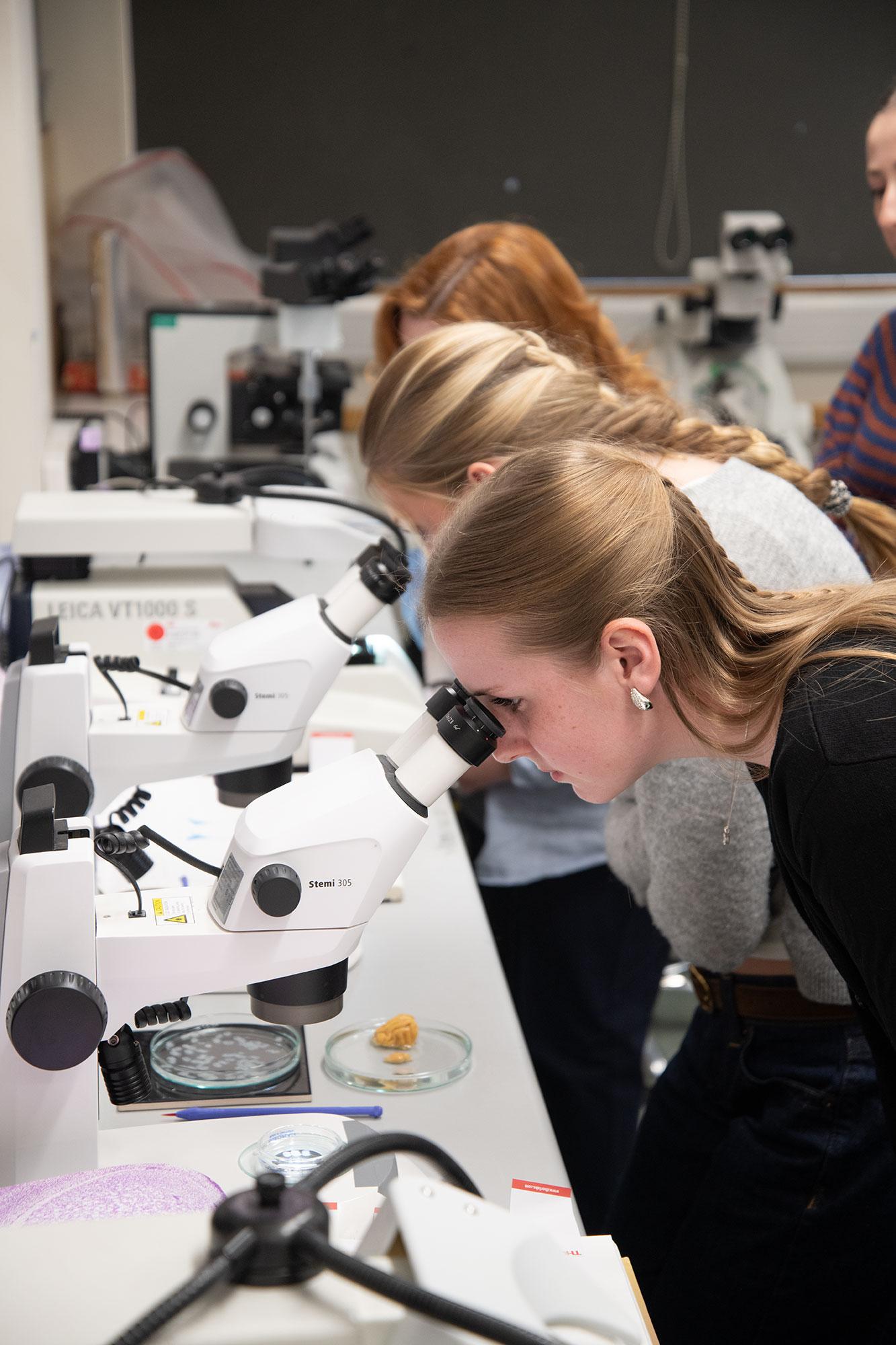
Visiting pupils see a working histology lab and follow the workflow for brain tissue from an intact brain, through sectioning and immunolabelling, to mounting on slides.
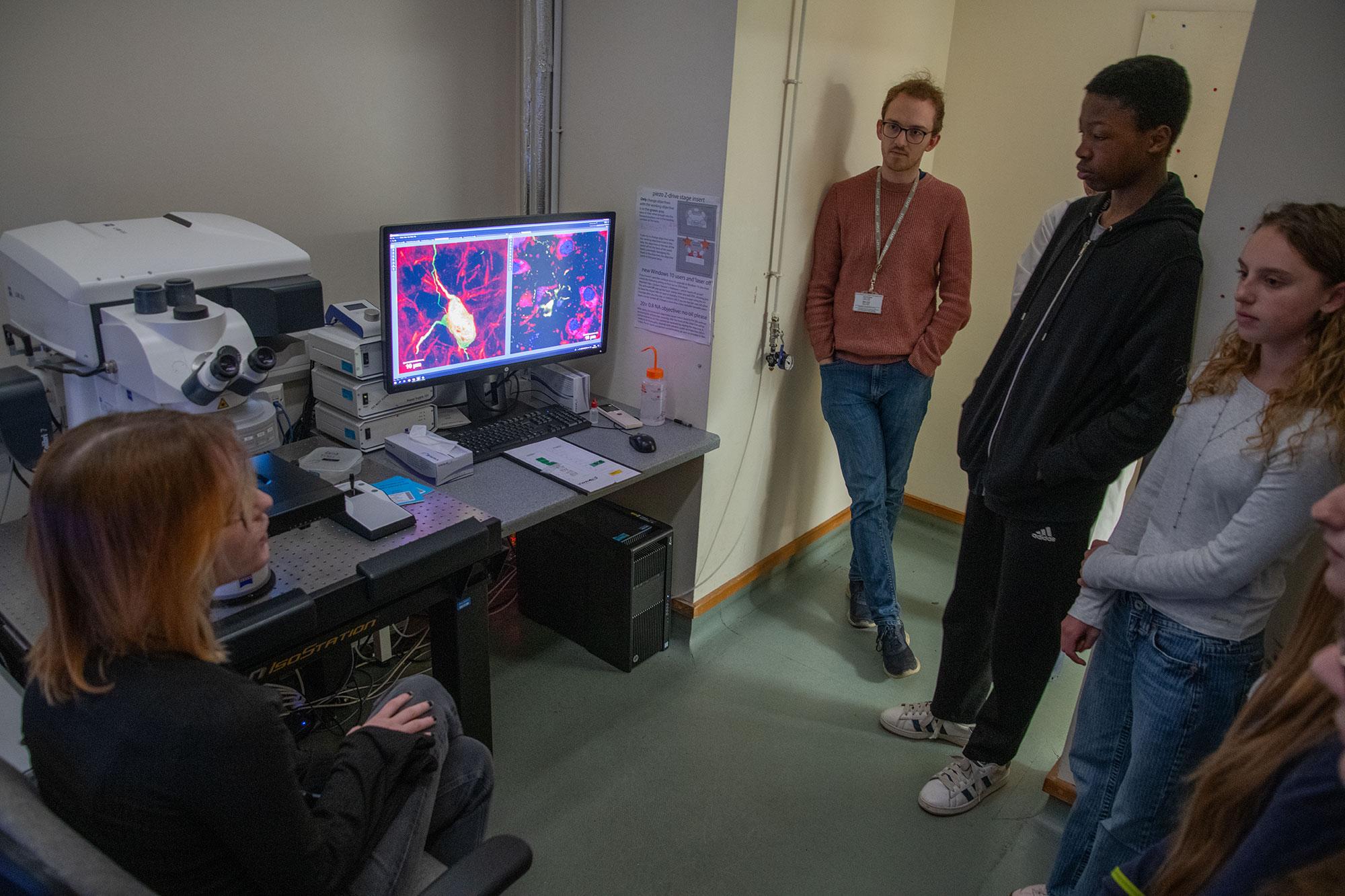
Jennifer Blackmore explains to pupils and their teacher how the Unit’s laser scanning confocal microscope allows them to see the coloured labels that have been applied to parts of brain cells- through transgenic markers, or antibody labelling.
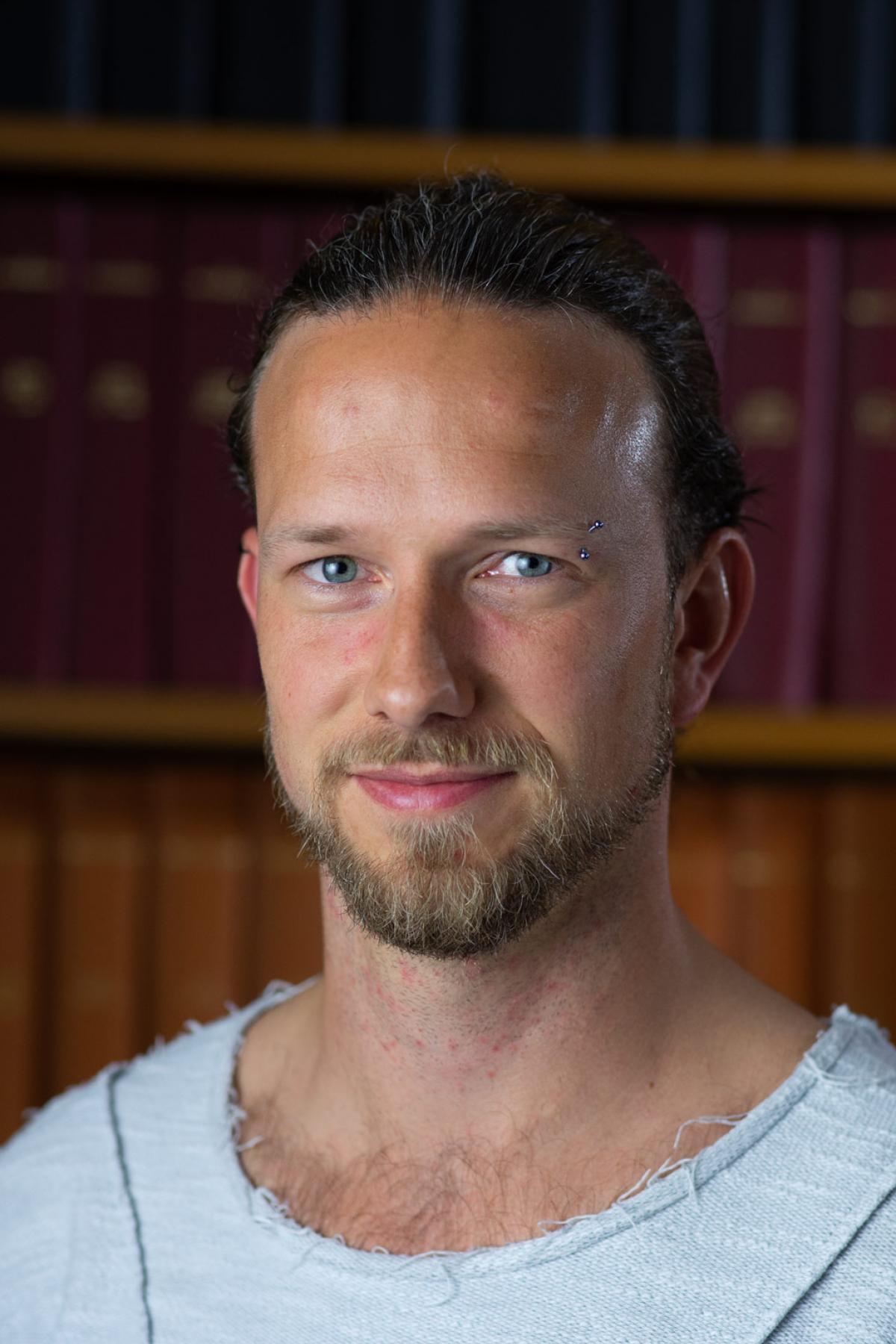
Many congratulations to Unit postdoctoral researcher Dr. Joram van Rheede on being awarded an Open Fellowship by the Engineering and Physical Sciences Research Council (EPSRC).
EPSRC Open Fellowships are a prestigious individual award aimed at ambitious and talented researchers who wish to develop, expand or establish a programme of research.
Joram will use his 5-year Fellowship to establish an independent research programme that is focused on the development of ‘smart’ device-based stimulation approaches that can optimally interact with the human brain across the entire sleep-wake cycle. Joram will take up his Fellowship at the University of Oxford’s Department of Engineering Science in April 2026.
Joram commented: “Sleep is crucial for our brain health, yet current brain stimulation therapies are mainly tested during waking hours. My new research team and I aim to develop better devices for 24/7 preclinical research, with a view to enabling sleep-stage dependent brain stimulation therapy for people living with neurological conditions. I am very grateful for the Unit’s support leading up to this programme, particularly that from my mentors Professor Andrew Sharott and Professor Timothy Denison. I am excited to start work on this programme and increase the speed at which new insights into brain stimulation can be developed into better therapies for patients.”
Unit Director Professor Peter Magill commented: “We are thrilled for Joram. He is an outstanding researcher, and his Fellowship is thoroughly deserved. Joram’s research vision is in excellent alignment with the Unit’s discovery and translational research portfolios, and we look forward to collaborating with Joram during his Fellowship. Joram’s success provides another ringing endorsement of the Unit’s commitment to excellence in the research training and career development of its membership.”
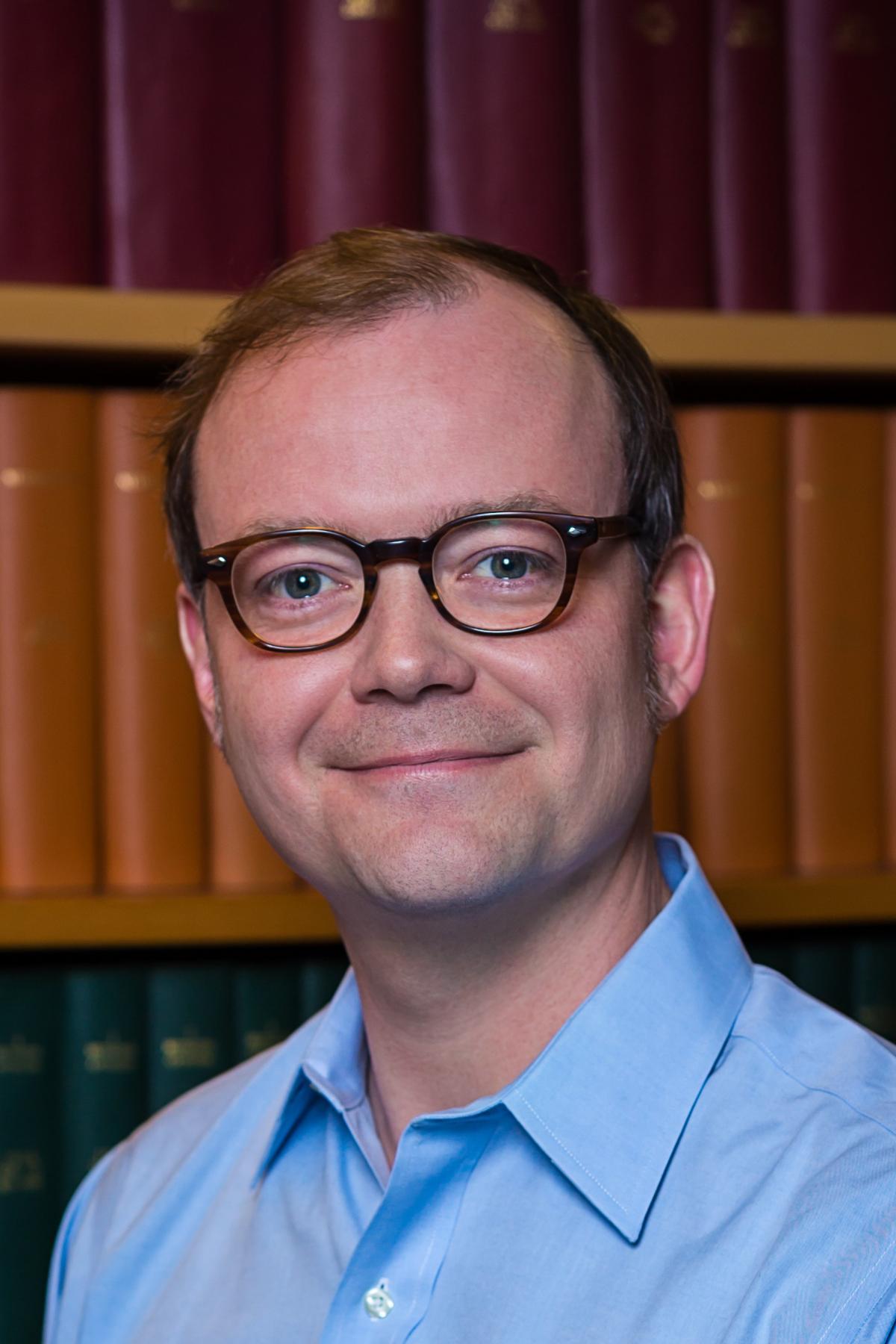
We are pleased to announce that Unit Director Professor Peter Magill will join the UK Dementia Research Institute (UK DRI) Parkinson’s Research Centre as one of its foundational Group Leaders.
In 2025, the UK DRI partnered with the charity Parkinson’s UK to launch a new £10 million research centre dedicated to better understanding the causes of Parkinson’s and to accelerating new and improved treatments for the condition. The UK DRI confirmed today the first three Group Leader appointments to the Parkinson’s Research Centre.
Peter commented “I am thrilled to be joining the Parkinson’s Research Centre and to have the opportunity to contribute to the delivery of its distinctive vision. I look forward to collaborating with new colleagues at the Centre and across the UK DRI as we work together with our charity and public partners to fully realise the benefits of transformative research and make a difference to the lives of people affected by Parkinson’s.”
Peter will hold his UK DRI Parkinson’s Research Centre position at the Unit.
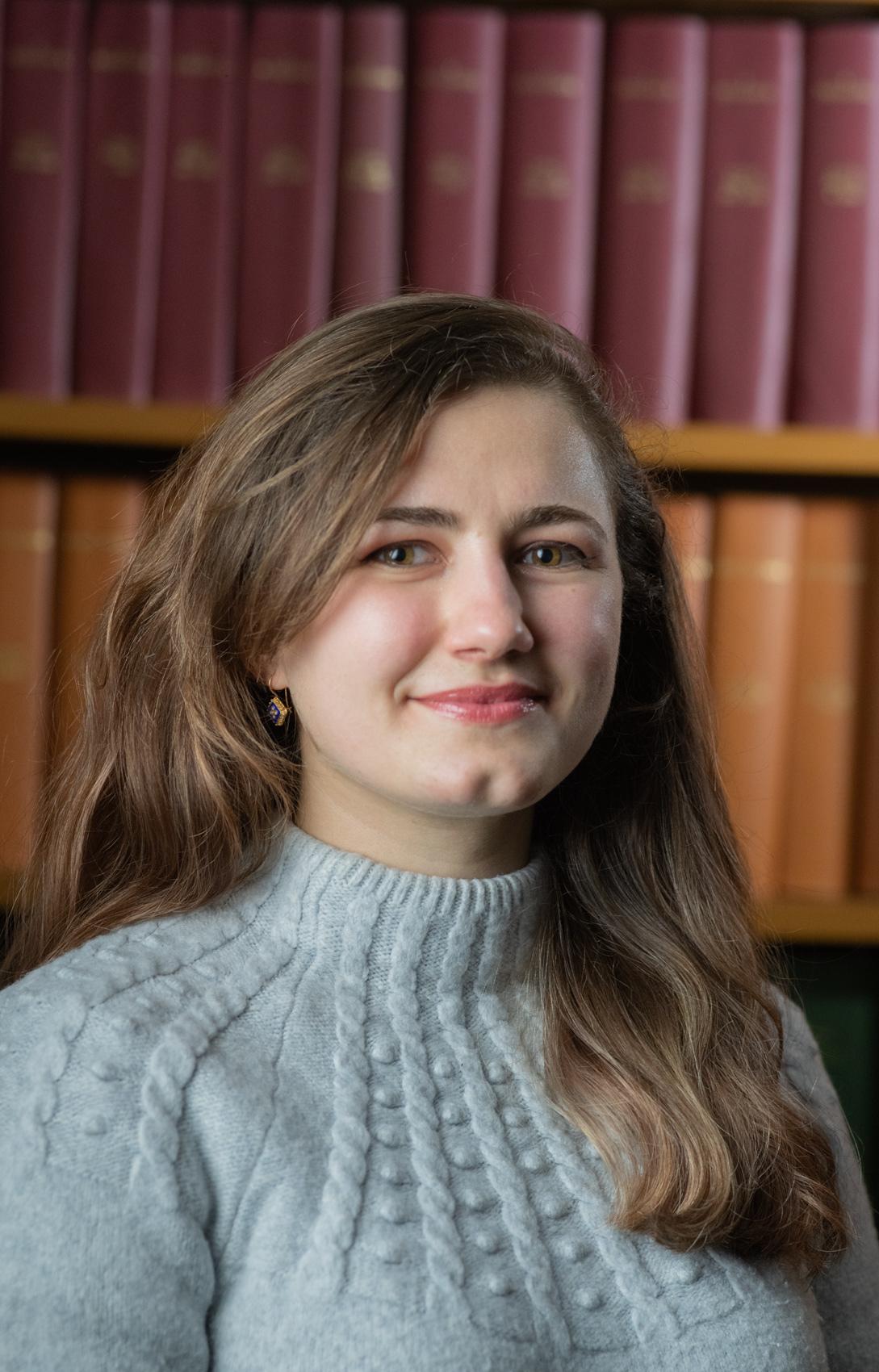
Our congratulations to Unit postdoctoral researcher Dr Ioana Grigoras on receiving one of the 2025 Early Career Excellent Teacher Awards from the Medical Sciences Division!
These awards acknowledge people who have demonstrated excellent teaching and who are within the first five years of their teaching career at the University of Oxford. Ioana is being recognised for her work as a Stipendiary Lecturer in Medicine (Pharmacology) at St Hilda's College, as well as for supervising multiple MSc and undergraduate students on research projects.
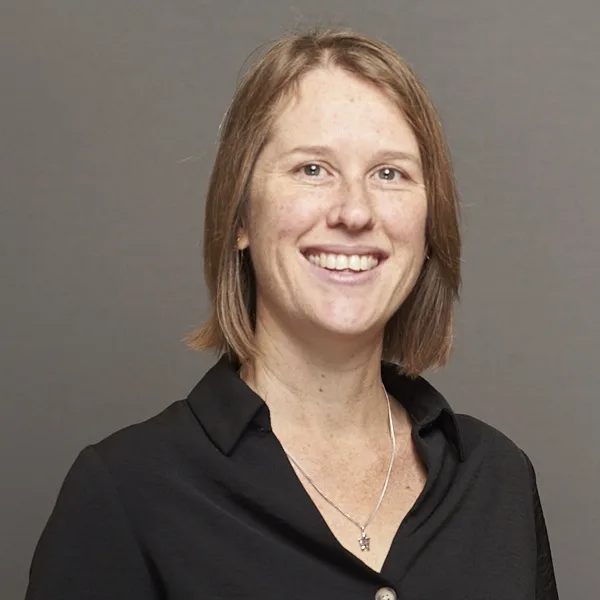
Many congratulations to Unit collaborator Associate Professor Melanie Fleming on being awarded a prestigious Senior Non-Clinical Lectureship by the Stroke Association.
The Stroke Association Lectureship programme aims to address succession and sustainability in the careers of stroke researchers. Senior Lectureship awards provide secure and stable long-term funding for researchers to lead their own research programmes and establish their independent careers.
Melanie will start her 5-year Senior Lectureship and join the Unit as a new Group Leader in January 2026.
Melanie commented: “I am very grateful for this opportunity to build my research group, and to be able to work together with people with lived experience of stroke to develop a tailored sleep intervention for this condition.”
Unit Director Professor Peter Magill commented: “We are thrilled for Melanie. This award is richly deserved. Melanie is an outstanding researcher, and a valued colleague and collaborator. Melanie has made pivotal leadership contributions to the Unit’s patient and public involvement activities, and we look forward to supporting Melanie to realise her research ambitions.”
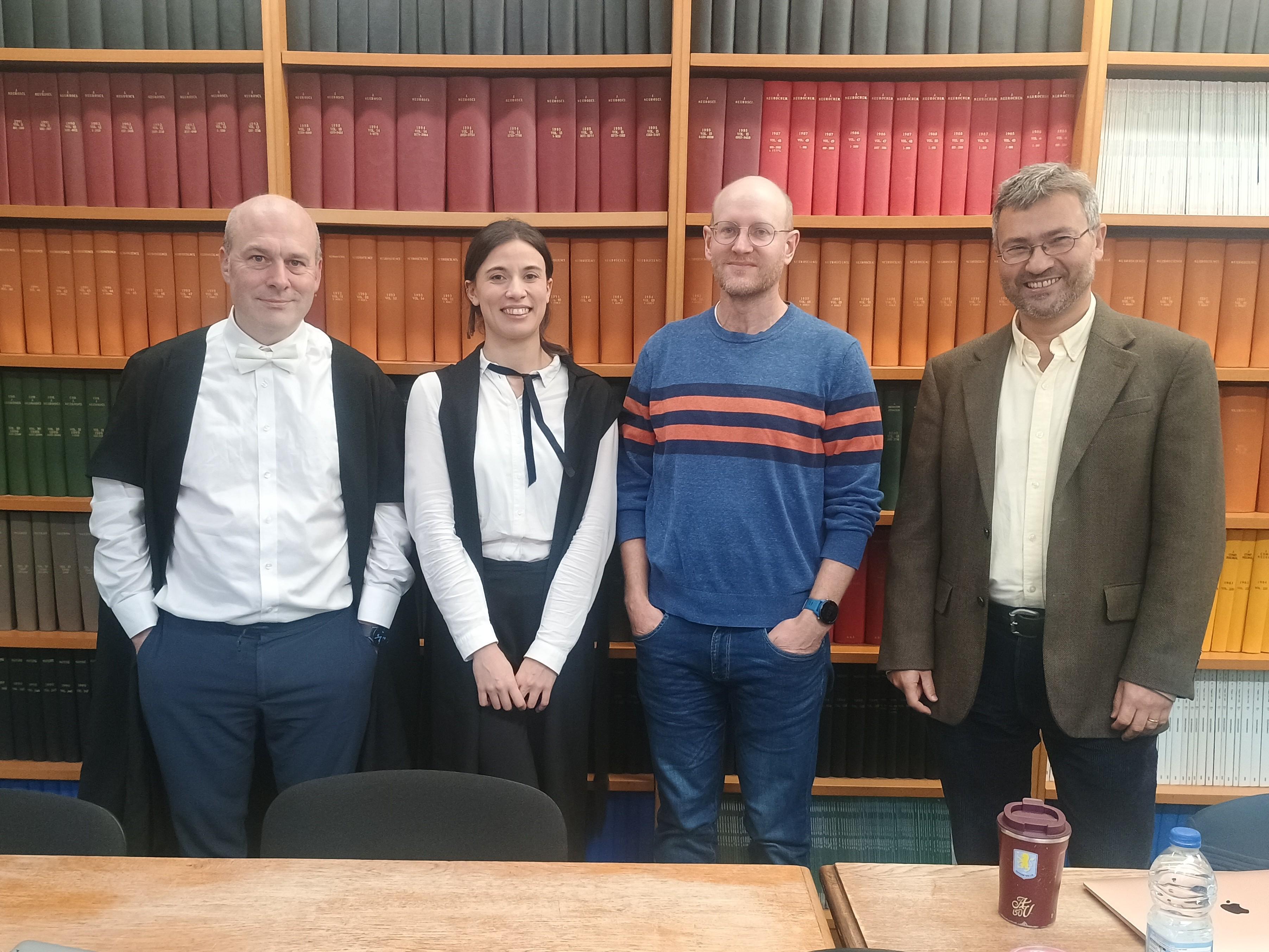
Our congratulations go to Unit D.Phil. student Charlotte Collingwood for successfully defending her doctoral thesis, entitled “A Computational Model of Habits in the Brain”, in her viva voce examination on 11 November 2025.
Charlotte’s viva examiners were Professor Elliot Ludvig (University of Warwick) and Professor Michael Browning (University of Oxford).
Charlotte was supervised in the Unit by Professor Rafal Bogacz.