Magill Group
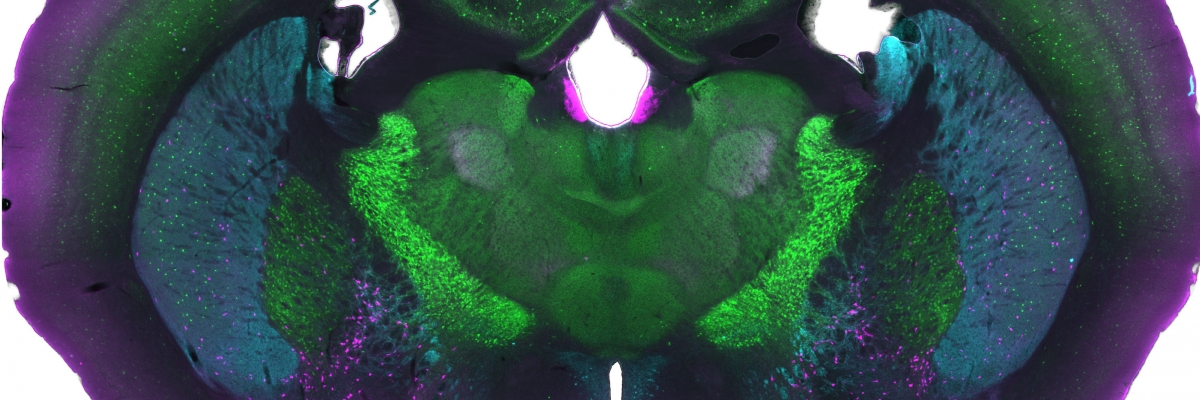
Our overall goal is to provide detailed explanations of how brain circuit organisation supports normal and impaired behaviours. Focusing on a brain region called the basal ganglia, we monitor and manipulate different types of nerve cell to provide new insights into how their host networks operate. In taking advantage of the new understanding gained, we use specialised nerve cell types as entry points for novel therapeutic interventions that are designed to correct the brain circuit disorganisation and behavioural difficulties that arise in disease.
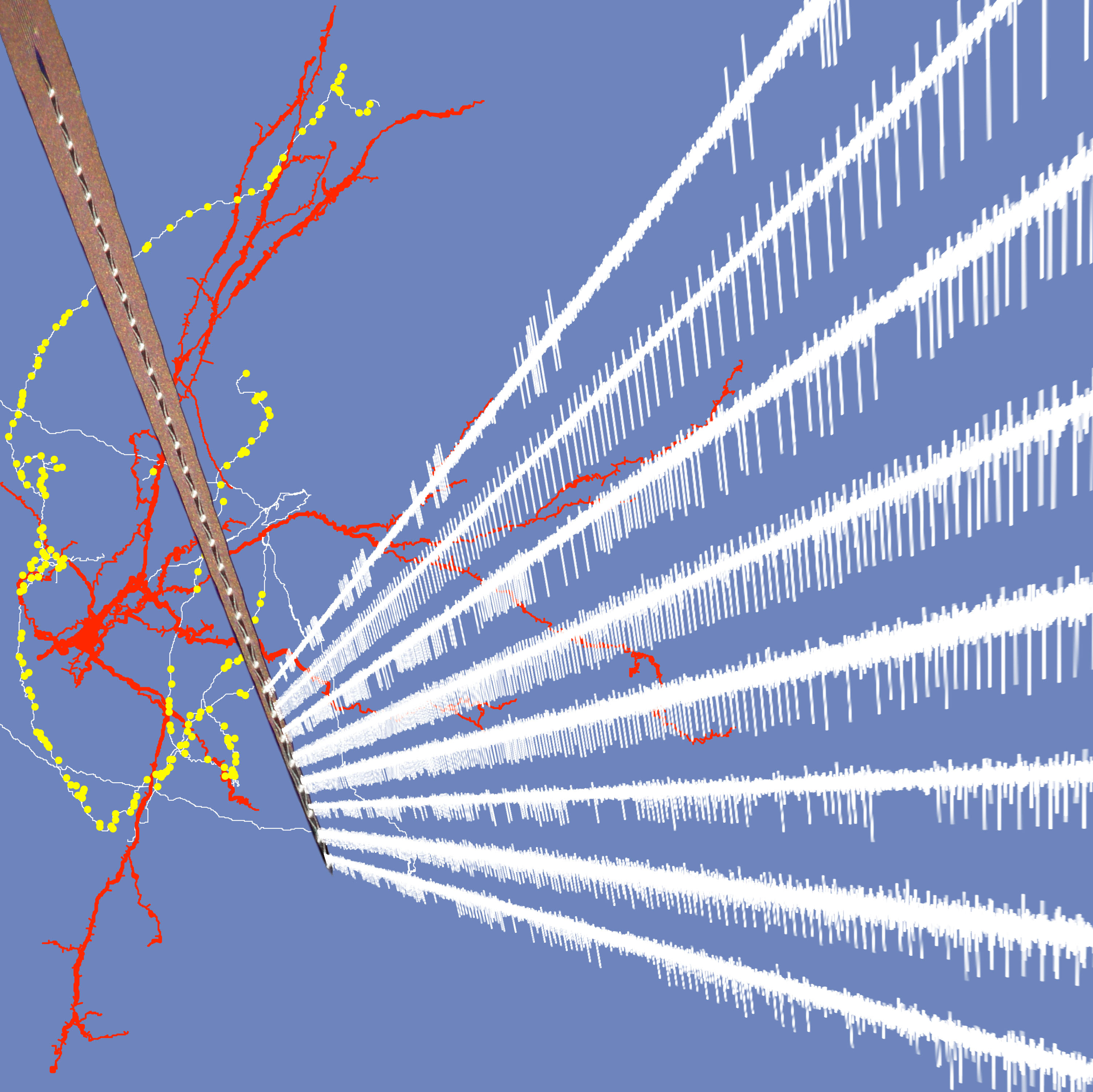
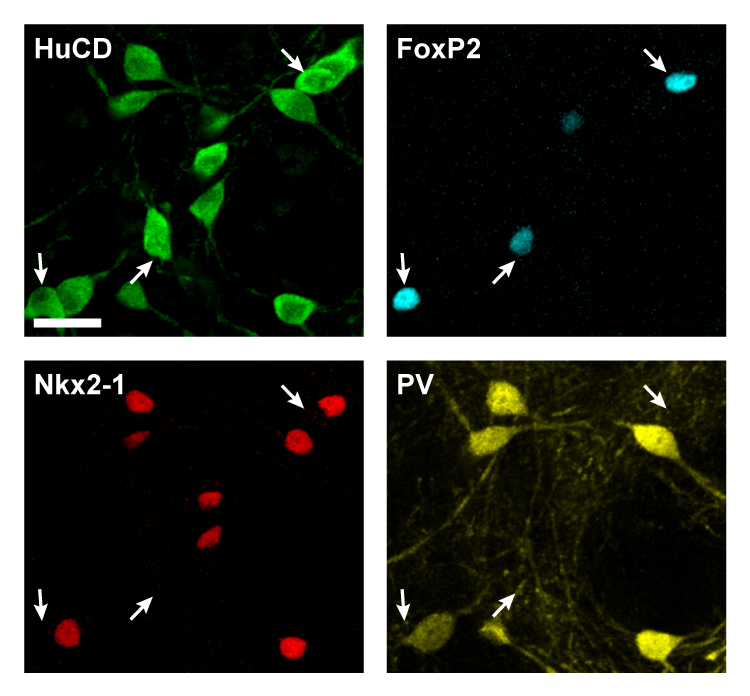
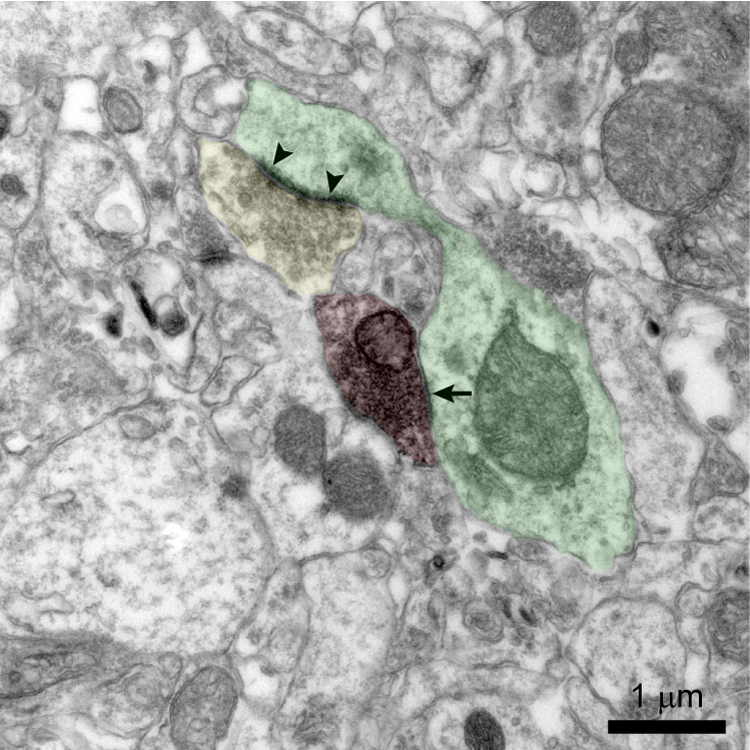
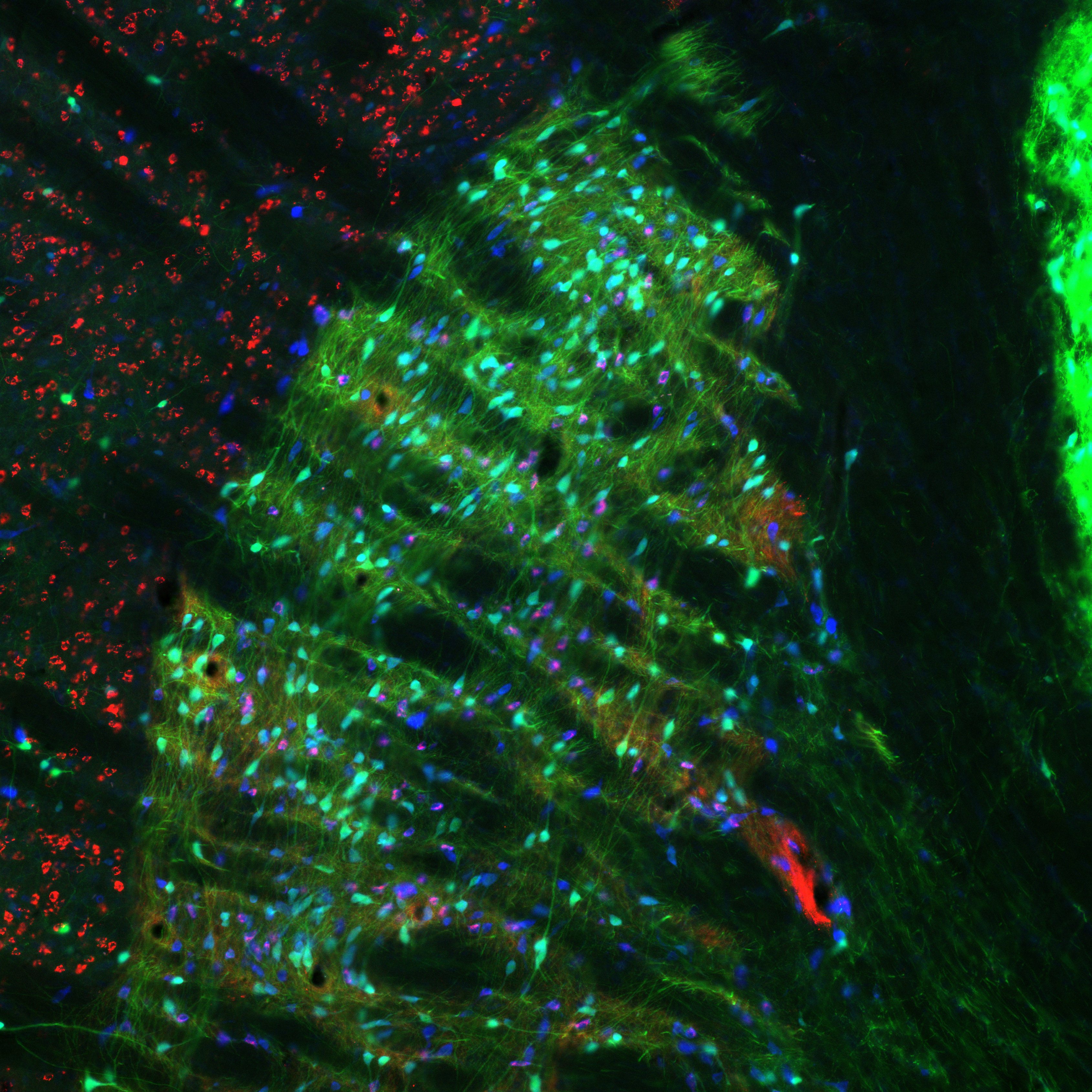
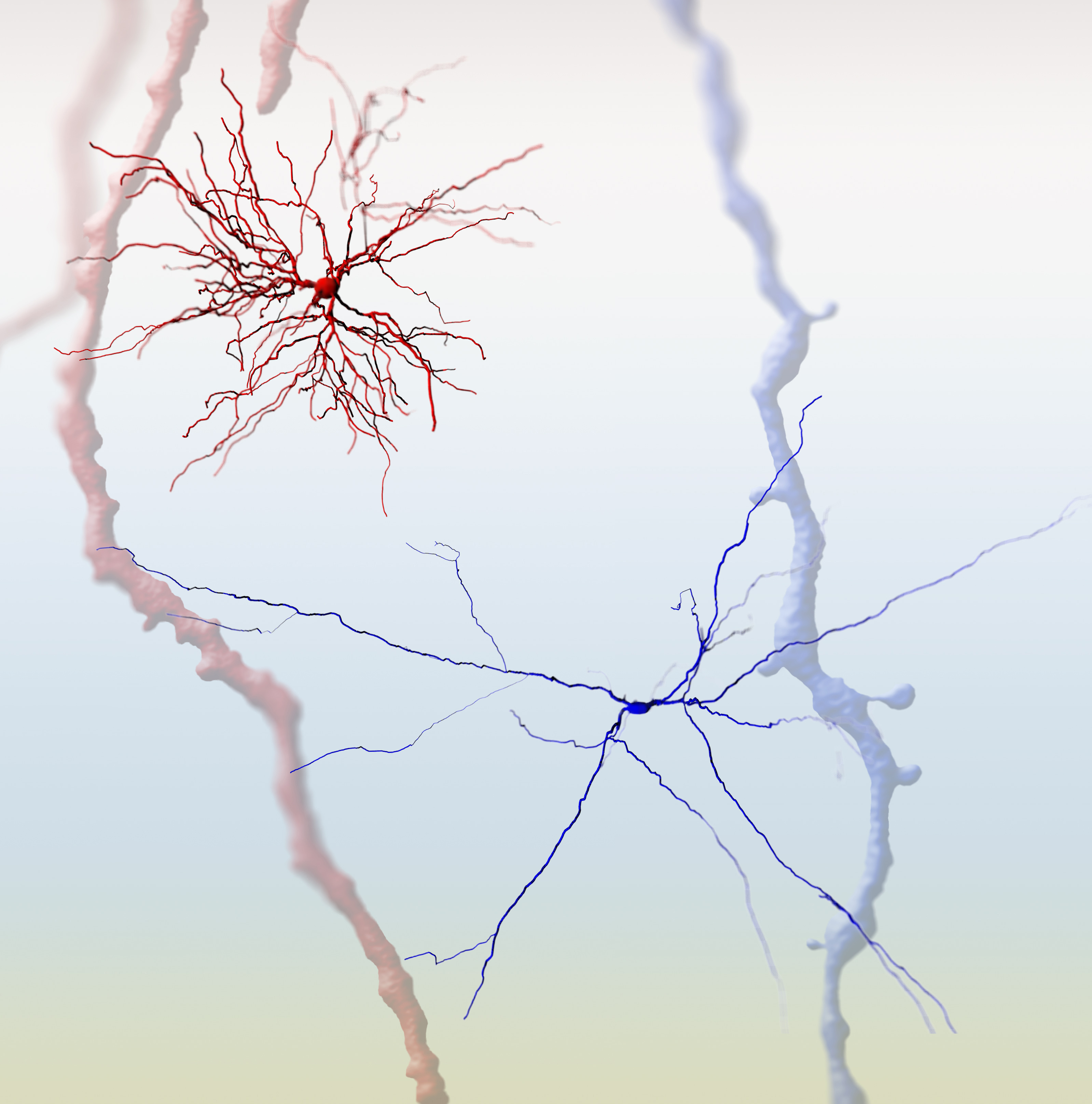
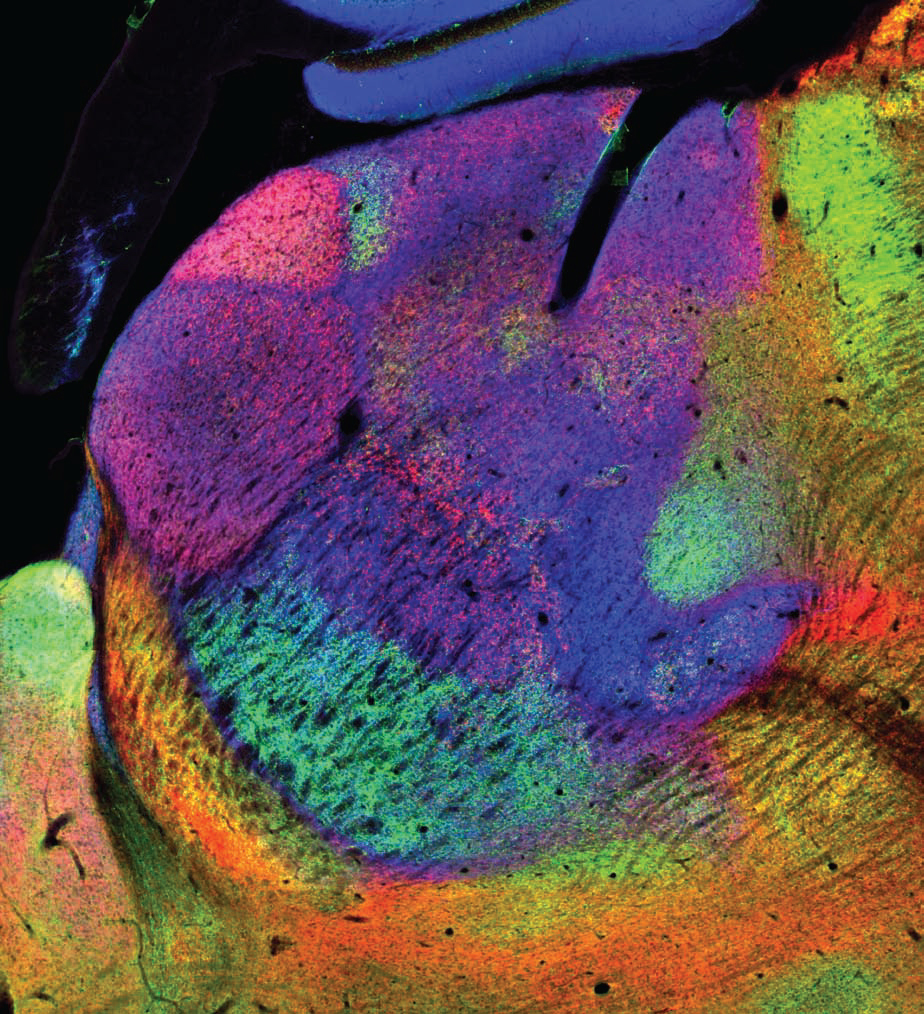
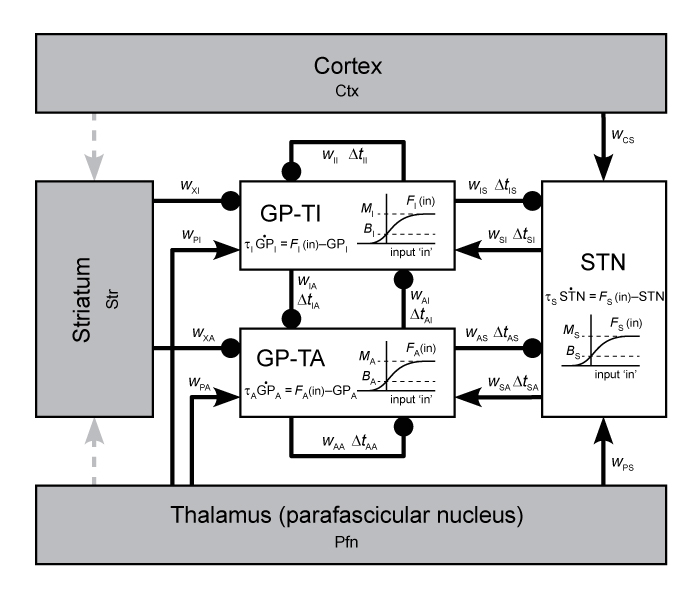
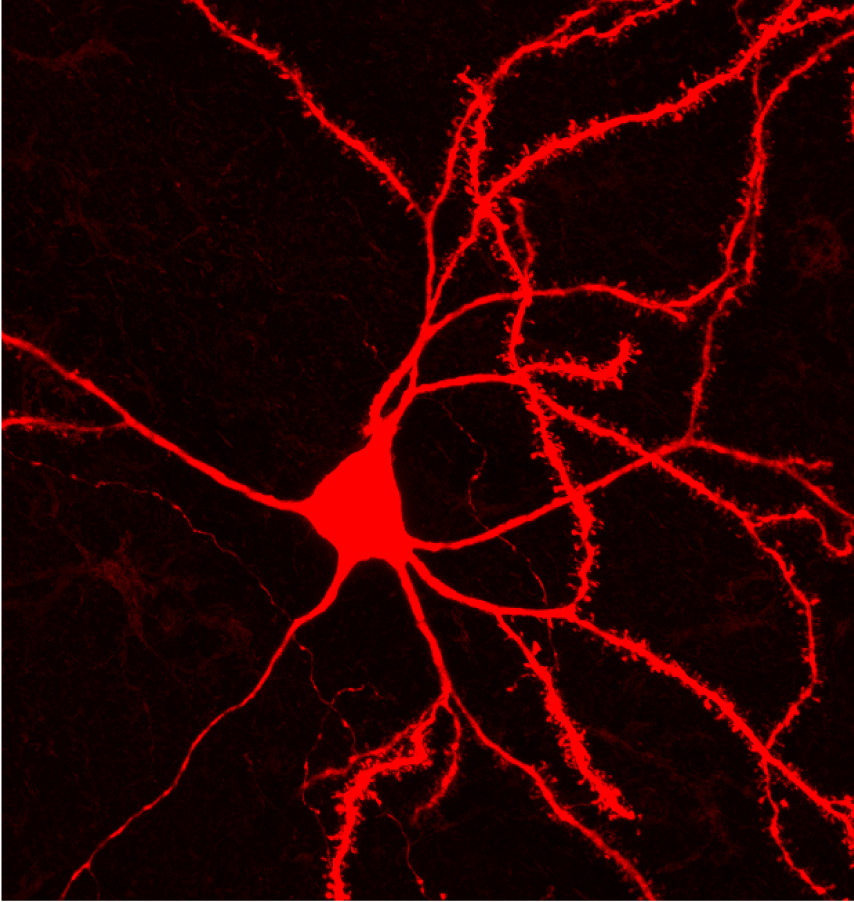
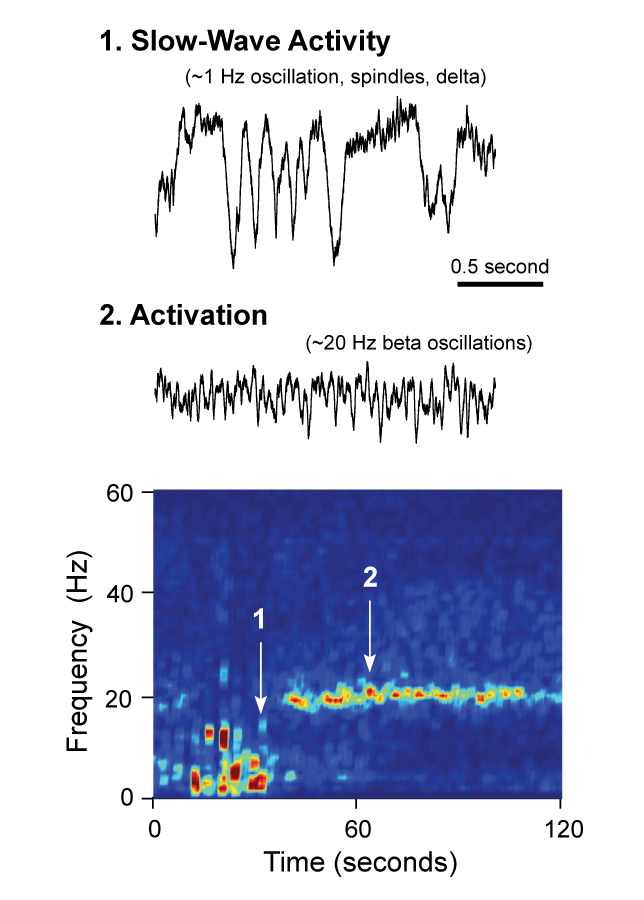
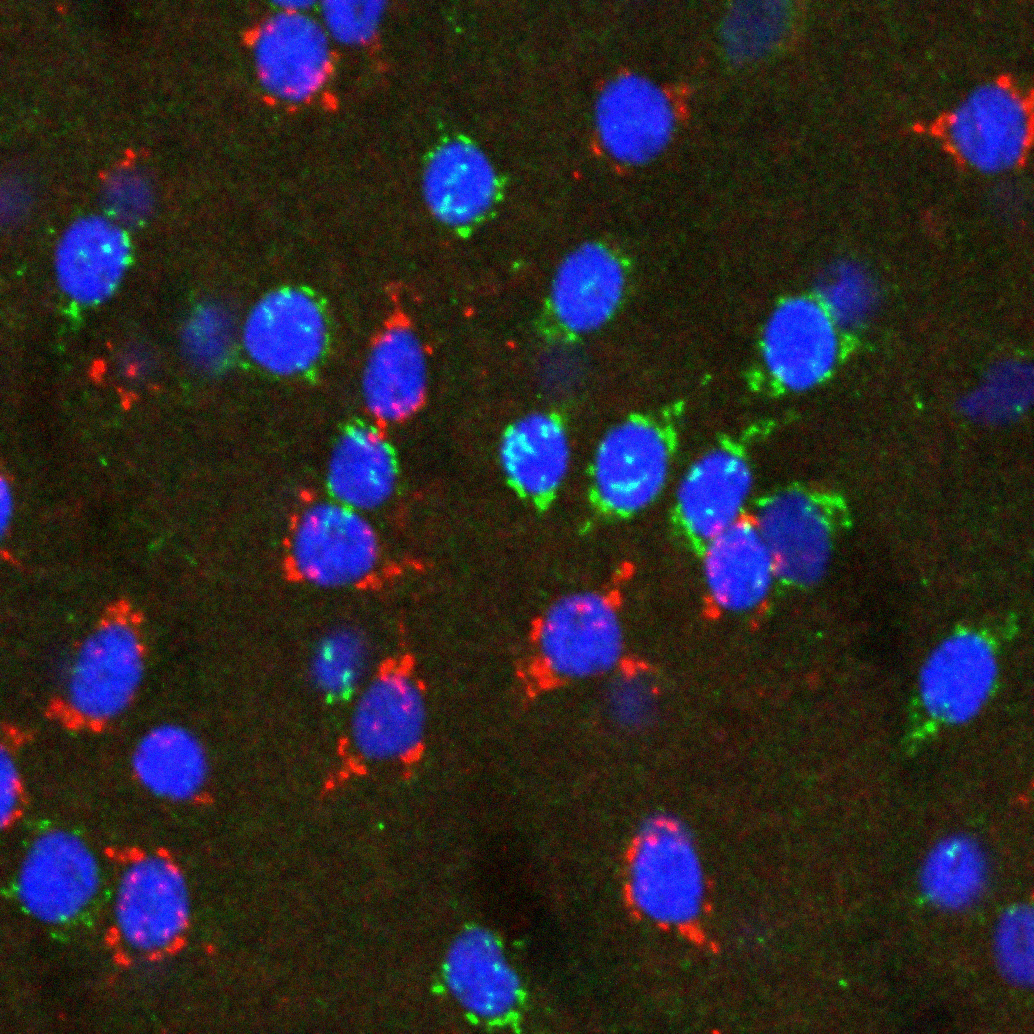
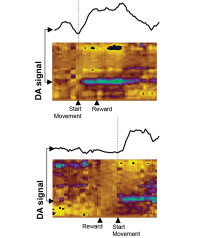
We recognise that the burden of disease is not borne evenly across all cell types in the brain. It is thus imperative that the design of new strategies for treating disease symptoms is tempered by a mature knowledge of how different cell types fulfil their specialised roles to govern behaviour. The overarching goal of our Programme is to fill this knowledge gap by delivering high-resolution readouts and mechanistic explanations of brain 'motor circuit' organization in the context of normal behaviours as well as impaired behaviours. Focusing on basal ganglia and thalamocortical circuits, we harness cutting-edge technologies for identifying, monitoring, accessing and manipulating neurons in vivo to provide fundamental new insights into the specific cellular substrates of the neuronal network dynamics therein. We place special emphasis on defining how the interactions and activities of identified cell types in these brain circuits vary according to the temporal profile of dopamine release and movement. As a key corollary of this, we define how a paucity of dopamine release, as occurs in Parkinson’s disease and its animal models, impacts on the neuronal encoding of behaviour in these motor circuits. In capitalising on the new level of understanding of the dynamics of identified neurons that is gained here, we also endeavour to exploit specified cell types and other circuit elements as novel points of entry for spatiotemporally-patterned interventions designed to not only dissect circuit function but also to correct circuit dysfunction and related behavioural deficits in Parkinsonism and other disorders of movement and memory.
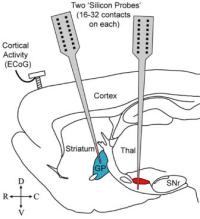
We couple novel and advanced analytical techniques with experimental interventions that probe causal interactions between specified circuit elements with high spatiotemporal precision. Our experiments centre on the use of wild type and genetically-altered rodents with intact or comprised midbrain dopaminergic systems, the readouts from which straddle multiple levels of function including molecular/genetic, structural, electrophysiological, neurochemical and behavioural.
- Mechanisms underlying neuronal network activity in basal ganglia-thalamocortical circuits.
- Cell-type-selective encoding of behaviour in basal ganglia-thalamocortical circuits.
- Experimental models of movement/memory disorders involving basal ganglia-thalamocortical circuits.
- Generation, dissemination and impact of aberrant neuronal activity in the Parkinsonian brain.
- Cell-type-selective interventions for symptom relief in disease.
Our research is designed to provide significant advances in the understanding of how specialised cell types in the basal ganglia work together with neurons in their partner brain circuits to control behaviour, for better or worse. We recognise that new understanding is critically important for building a stronger foundation from which to develop new therapeutic interventions in disease. We thus strive to progress from delivering new mechanistic insights, through generation of firm rationale to proof-of-concept studies that can be taken forward to inform and advance the future development of improved, personalised therapies.
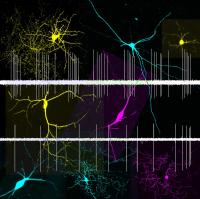
- Electrophysiology (in vivo and in vitro)
- Light and electron microscopy
- Genetics-based approaches for cell monitoring and manipulation
- Quantification of voluntary behaviours
- Fibre photometry and fast-scan cyclic voltammetry in vivo
We are committed to fostering an inclusive work environment that celebrates diversity and promotes equal opportunity within our group and the wider BNDU.
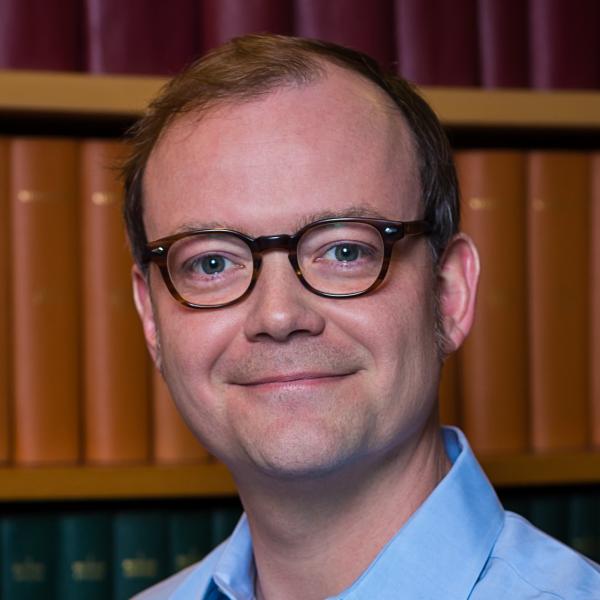
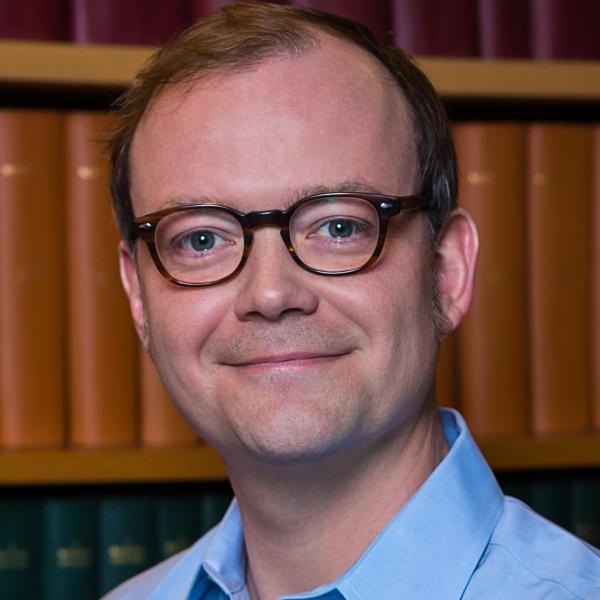

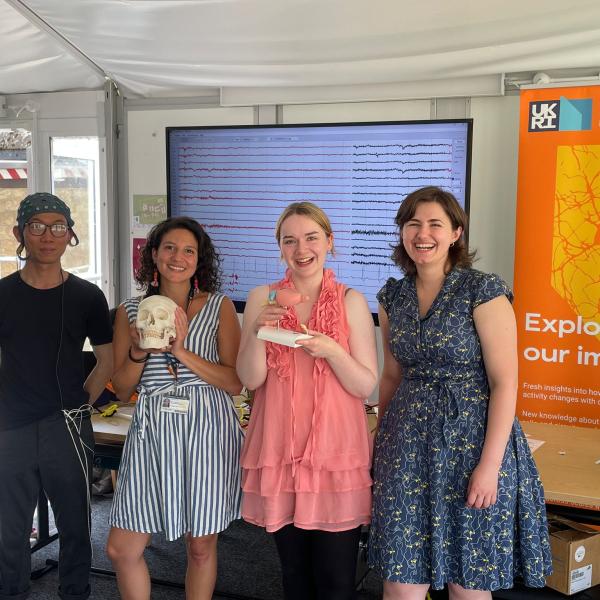
The enthusiastic BNDU team of scientists. (L-R) Shenghong, Chiara, Rosie and Ioana.

Mary Muers (far right) moderates an interactive session about training and career development opportunities.
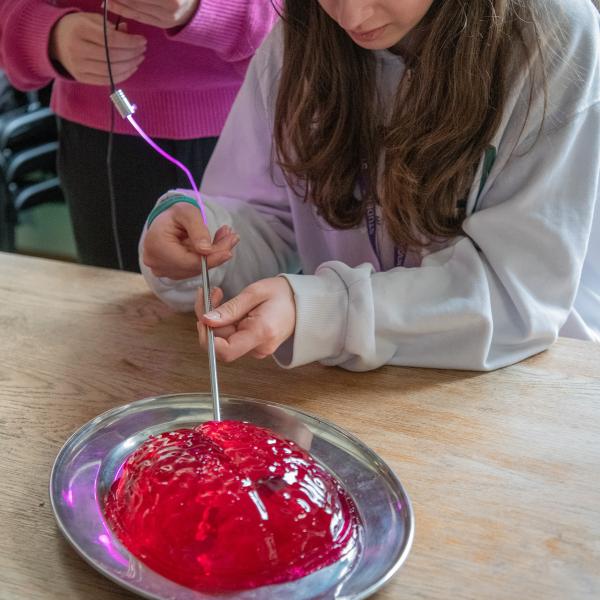
A visiting school pupil tries their hand at implanting a dummy stimulation electrode in a jelly brain!
Studentships
Project
Understanding neural circuit dynamics in models of Parkinson’s
The complex coordinated activity of large populations of neurons in the brain can be distilled down to low-dimensional ‘latent dynamics’. These latent dynamics provide insight into network-level computations in the brain that support motor and cognitive functions. Understanding how latent dynamics emerge in the brain in health and how they are affected in Parkinson’s is important for developing new and improved treatments for this condition.
The overall goal of this PhD studentship project is to generate new mechanistic insights into how latent dynamics in the basal ganglia and their partner brain circuits encode and shape purposeful movement in health as well as impaired movement in Parkinson’s. To achieve this, the project will couple experimental interventions with advanced data analyses to capture and interrogate neural circuit dynamics in the living brain at high spatiotemporal resolution. The project will focus on the use of mouse models with intact or comprised midbrain dopamine systems, the readouts from which straddle multiple levels of neural function.
The project will take place in the Brain Network Dynamics Unit of the Nuffield Department of Clinical Neurosciences and in the Medical Research Council Centre of Research Excellence in Restorative Neural Dynamics (MRC CoRE RND). Students will benefit from the extensive interdisciplinary skills training and personalised career development opportunities available within the Unit and the MRC CoRE RND. Students will receive specialised training in their areas of project research (see below) as well as, for example, in the translation and commercialisation of research, best practice in Open Science, and how to effectively involve and engage patients and the public with research.
Focusing on basal ganglia circuits, studentship holders will use cutting-edge research approaches for monitoring and manipulating neurons in the living brain. As an integral part of this project, you will receive advanced training in the following research techniques; electrophysiology, fibre photometry, neuroanatomy, and mouse behavioural assays, together with advanced data analysis. You will also be trained to use and characterise mouse models that have phenotypes of relevance to human Parkinson’s.
This four-year Ph.D. (D.Phil.) studentship offers three years of full-time tuition fees at the Home rate, and four years of non-taxable stipend at the full-time UKRI rate (including any uplifts announced). Both Home students and International students are eligible to receive this funding package. Please see further details about MRC/UKRI studentships and UKRI guidance regarding Home and International eligibility. Successful offer-holders who have applied by the December deadline may also be considered for other University of Oxford scholarships.
Interested candidates should hold, or expect to receive, a 1st class or upper 2nd class degree (or equivalent) in a related scientific discipline, e.g. biological or physical sciences, medicine, mathematics. Previous experience in neuroscience research is highly desirable.
Candidates must contact the lead project supervisor before submitting an application. To find out more about this studentship, the research project, and the application process, please contact Professor Peter Magill by email on peter.magill@ndcn.ox.ac.uk.
To be considered for this studentship, please submit an application for admission to the D.Phil. in Clinical Neurosciences at the Nuffield Department of Clinical Neurosciences (course code RD_CU1), following the guidance for applications to this course. On the application form, in the section headed ‘Departmental Studentship Applications’, please indicate that you are applying for a studentship and enter the reference code “27NDCN01MRC” into the funding tab.
The closing date for applications is 12.00 midday UK time on Tuesday 1st December 2026.
Supervisors
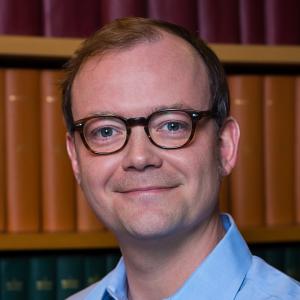
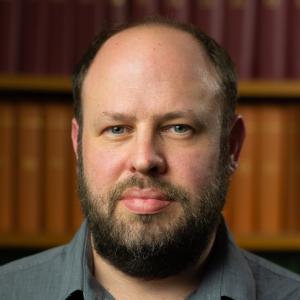
Applications are invited from both Home students and International students to join a multidisciplinary team of researchers studying the links between behaviour and brain circuit dynamics in animal models of Parkinson’s. This studentship is available from the start of academic year 2027/28, is for 4 years, and will be co-supervised by Professor Peter Magill, Professor Andrew Sharott, Dr Juan Gallego and Dr Helen Collins at the Medical Research Council Centre of Research Excellence in Restorative Neural Dynamics.
Like other Groups at the BNDU, we are committed to best practice in open research. We have created and curated a range of primary data, metadata and related resources that can be readily downloaded by external users from the BNDU's data sharing platform, Cambium.