
After the viva voce: A happy D.Phil. candidate (centre) with satisfied examiners (left and right) and proud supervisors (far left, far right).
Our congratulations go to Unit D.Phil. student Fernando Rodriguez Plazas for successfully defending his doctoral thesis, entitled “Harnessing machine learning to decode LFPs for applications in adaptive Deep Brain Stimulation”, in his viva voce examination on 16th April 2025.
Fernando’s viva examiners were Dr Ahmar Shah (University of Edinburgh) and Dr Ashwini Oswal (University of Oxford).
Fernando was supervised by Professor Huiling Tan (BNDU), Dr Shenghong He (BNDU), and Professor Alex Green (Clinical Neurosciences, Oxford).
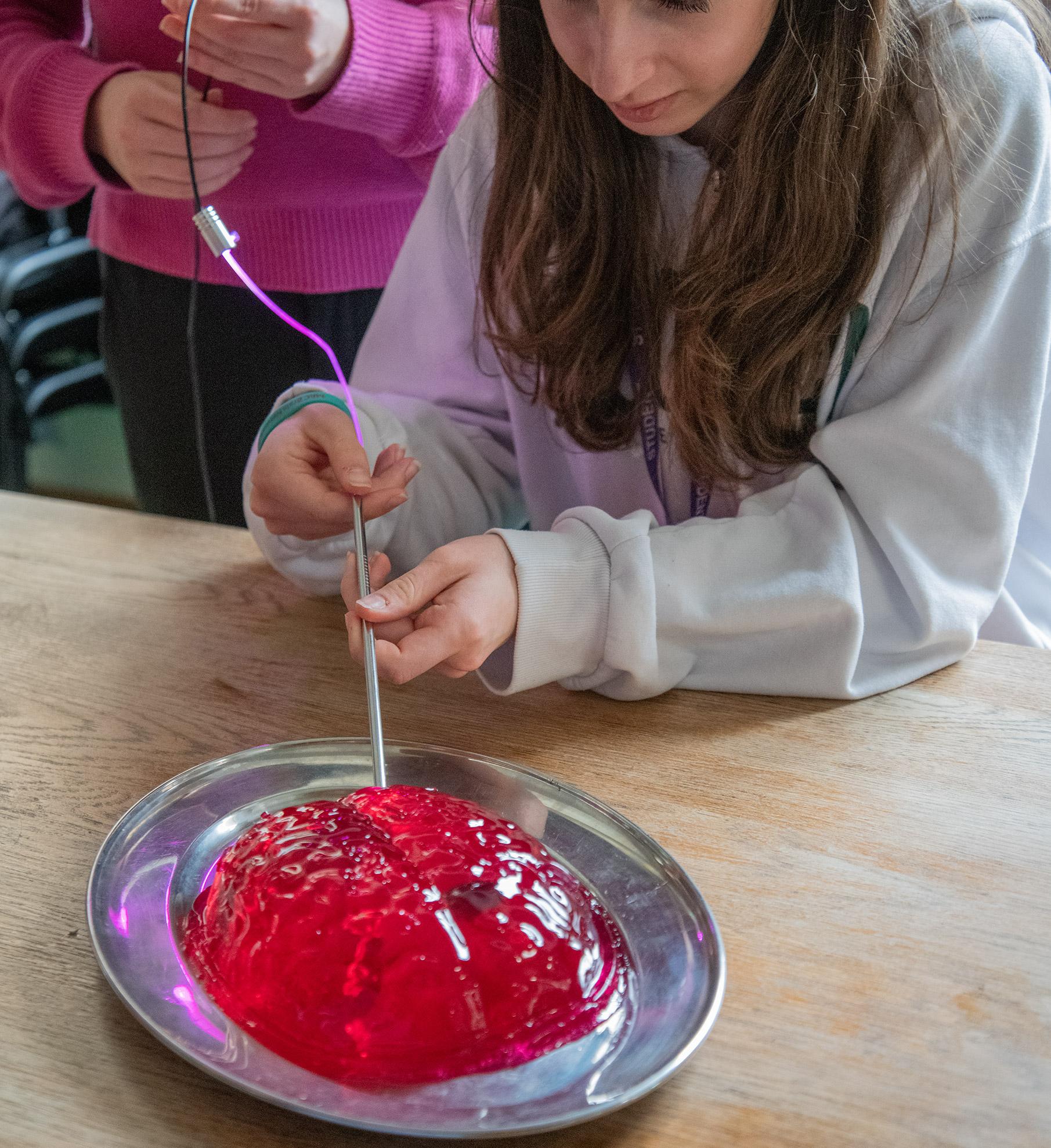
A visiting school pupil tries their hand at implanting a dummy stimulation electrode in a jelly brain!
The Brain Network Dynamics Unit was delighted to once again host stakeholders from local state-funded schools for its annual Schools Open Day, held this year on 27th March.
Unit staff and students welcomed pupils and teachers as they visited to learn more about STEM (Science, Technology, Engineering and Mathematics) and medical research at the Unit. The Open Day started with a showing of “The Symphony of the Brain” video to familiarise visitors with the Unit’s research. Some of the Unit’s early-career researchers then talked about their experiences of working in STEM, highlighting their diverse educational backgrounds and career paths that led them to work at the Unit. This was followed by an interactive discussion of the use of animals in research. After that, the pupils rotated in small groups through different hands-on activities led by more of the Unit’s early-career researchers. Special emphasis was placed on giving pupils the opportunity to see real working instruments and laboratories for themselves. Engagement activities were coordinated around 4 ‘knowledge stations’, at which pupils could learn more about the Unit’s key research themes, including: the activity and structure of the brain in health and disease; human brain stimulation; computer modelling of brain function; and brain-machine interfaces. The visit ended with a wrap-up session capturing feedback.
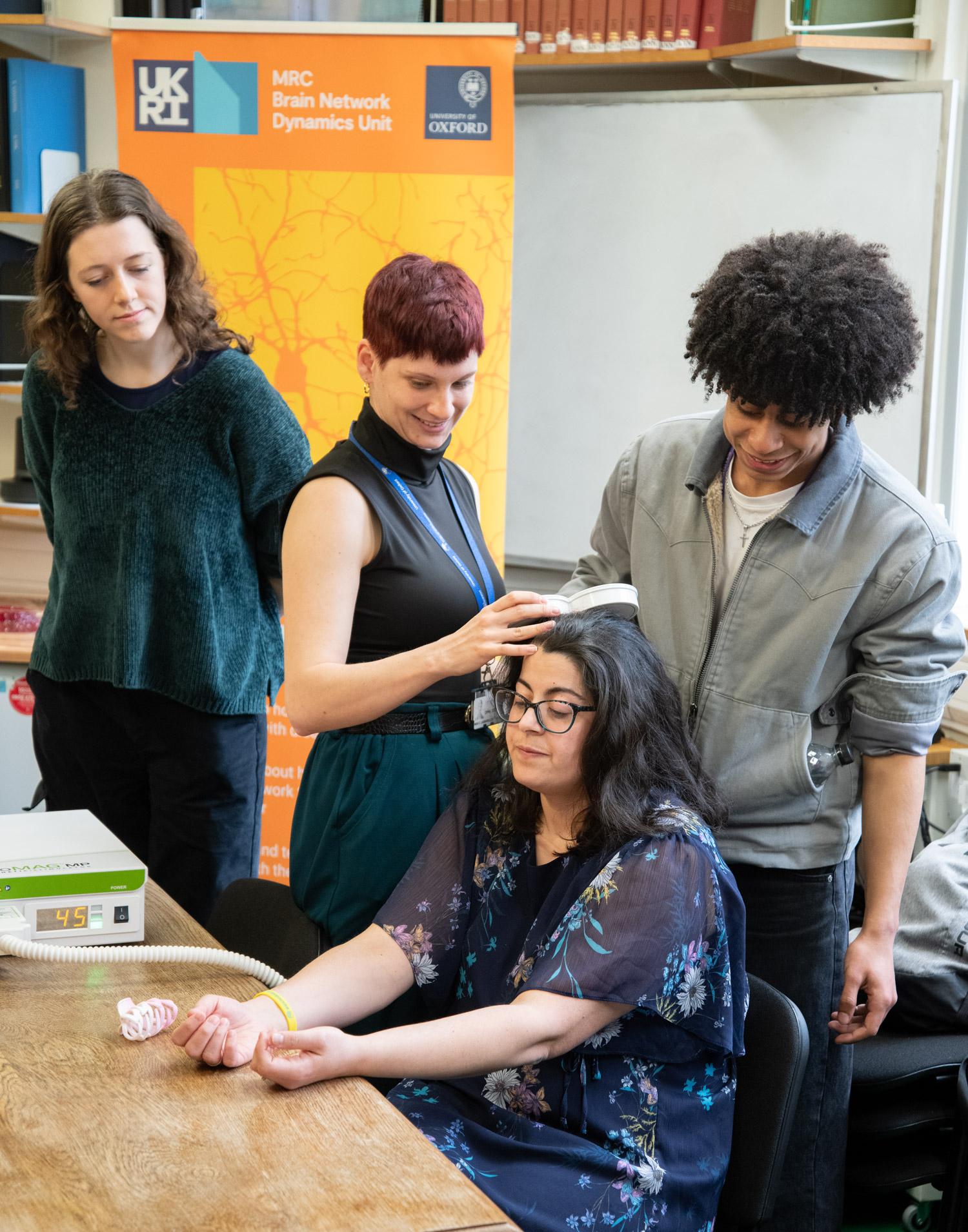
A visiting school pupil (right) is guided by BNDU researcher Camille Lasbareilles (centre) to investigate the effects of Transcranial Magnetic Stimulation on the hand movements of BNDU researcher Polytimi Frangou (seated).
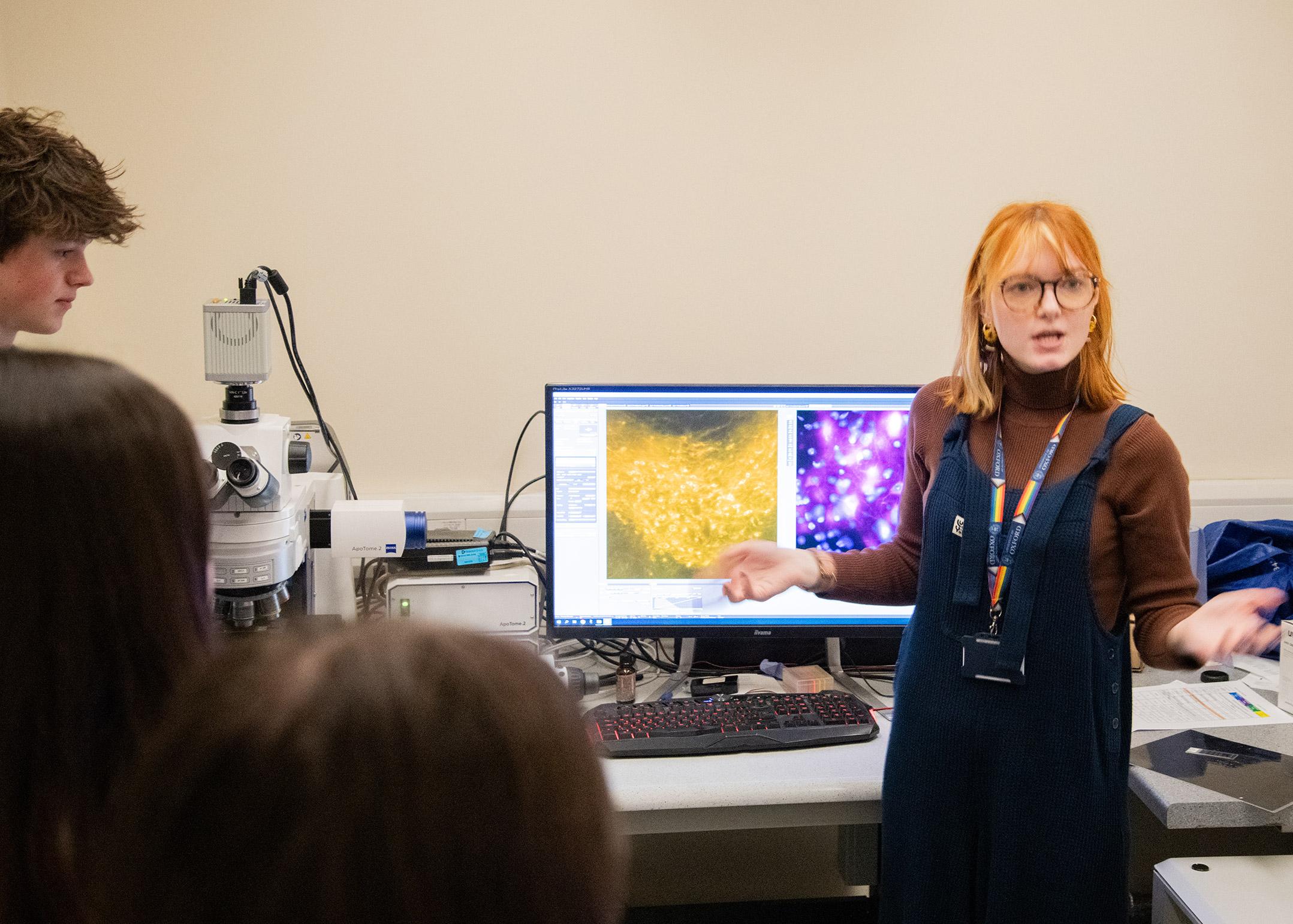
BNDU researcher Jennifer Blackmore demonstrates how to visualise nerve cells using the Unit’s confocal microscope.
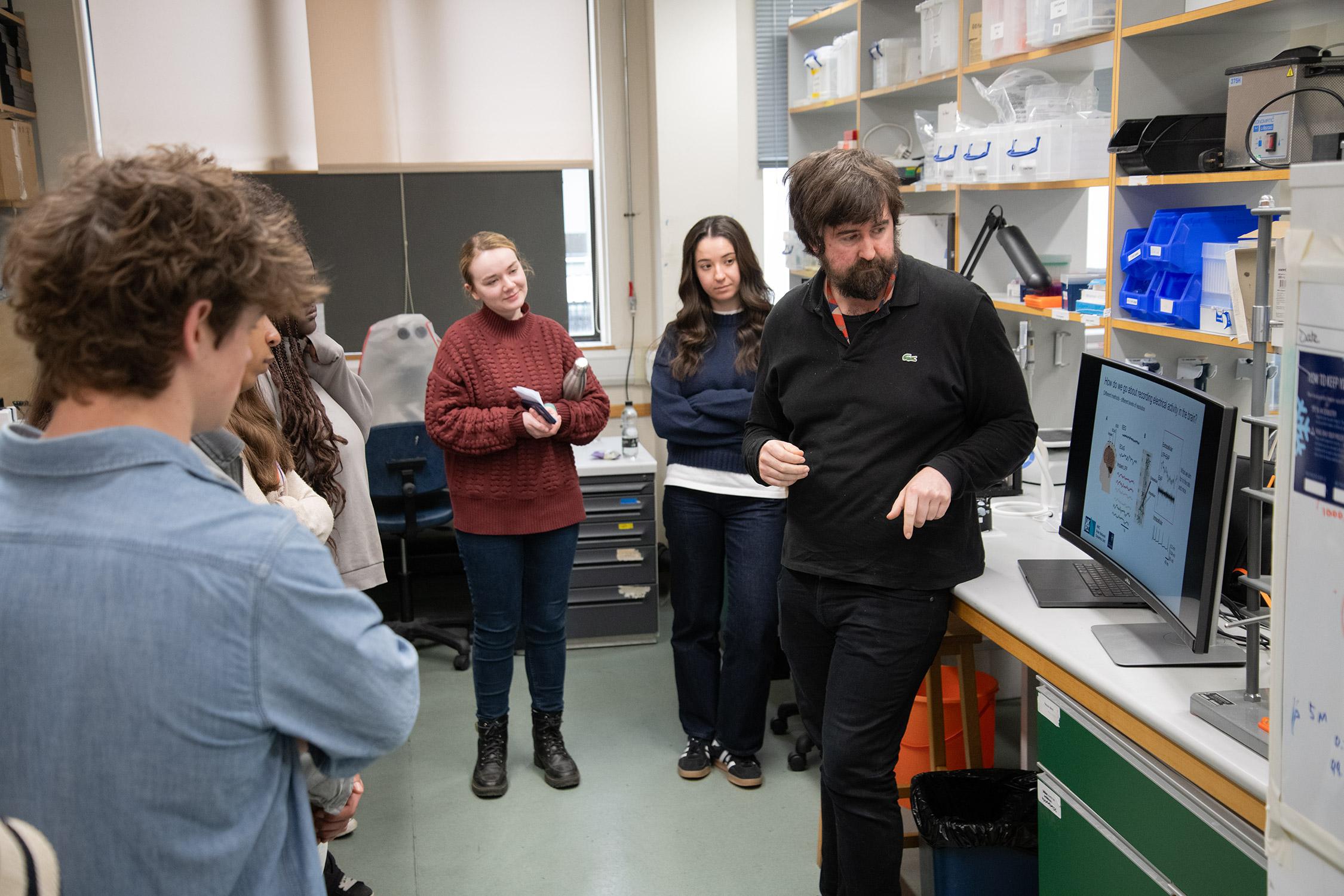
BNDU researcher Brook Perry (right) talks with visiting pupils about the recording of brain activity with electrodes.
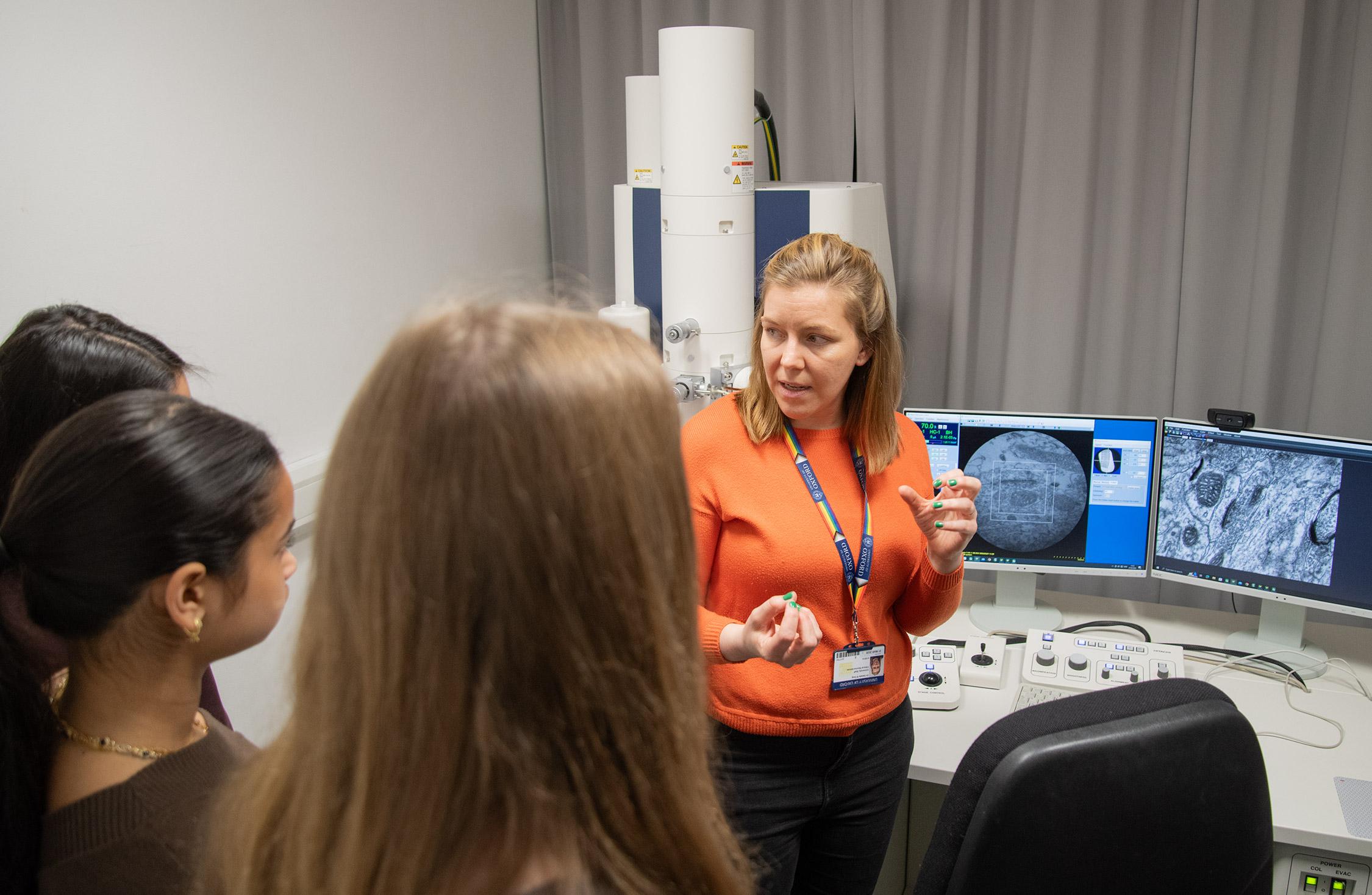
BNDU researcher Natalie Doig (right) talks with visiting pupils about her use of the Unit’s electron microscope to resolve tiny structures in the brain.
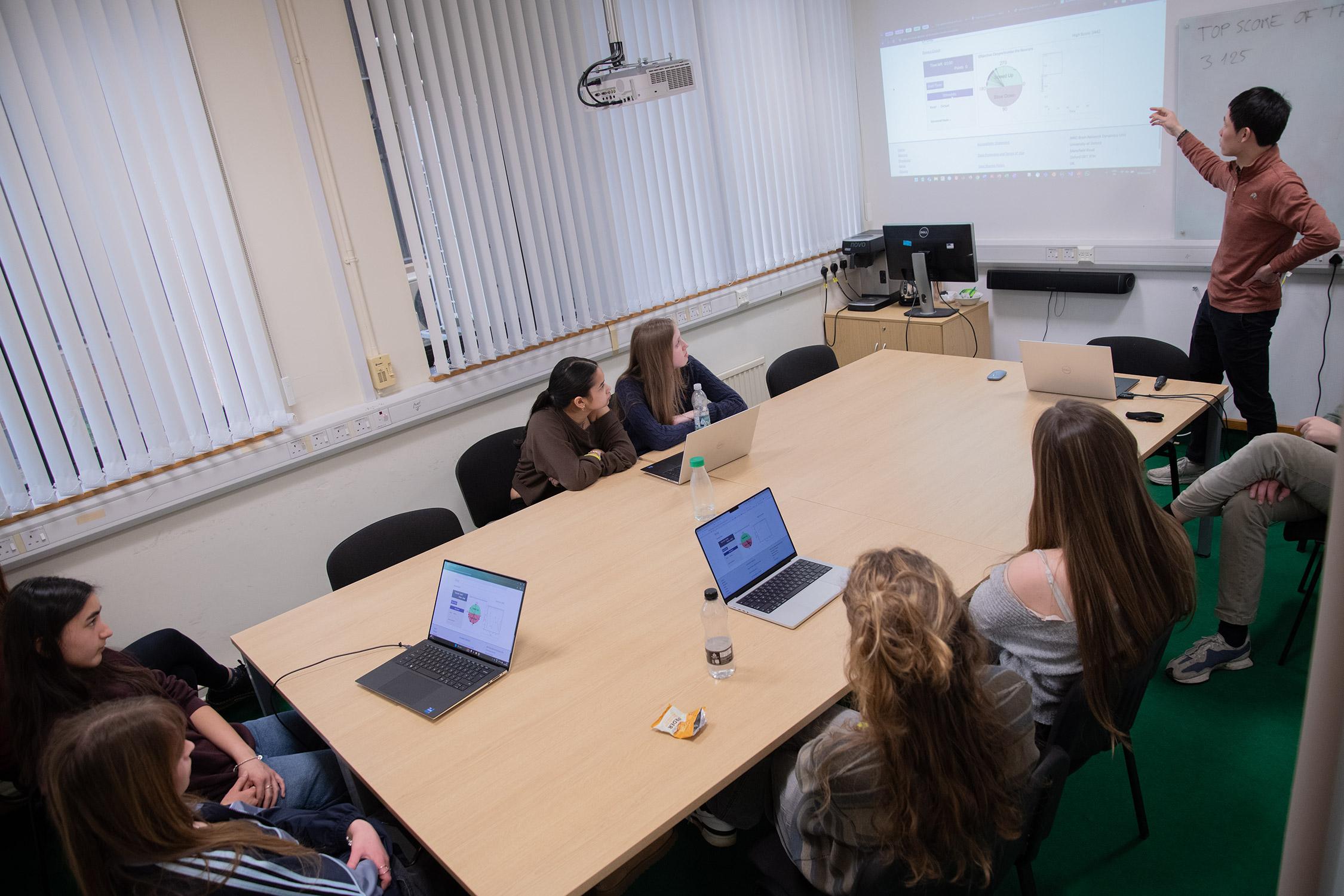
BNDU researcher Yuhao Wang (right) guides visiting pupils as they explore computer simulations of brain activity.
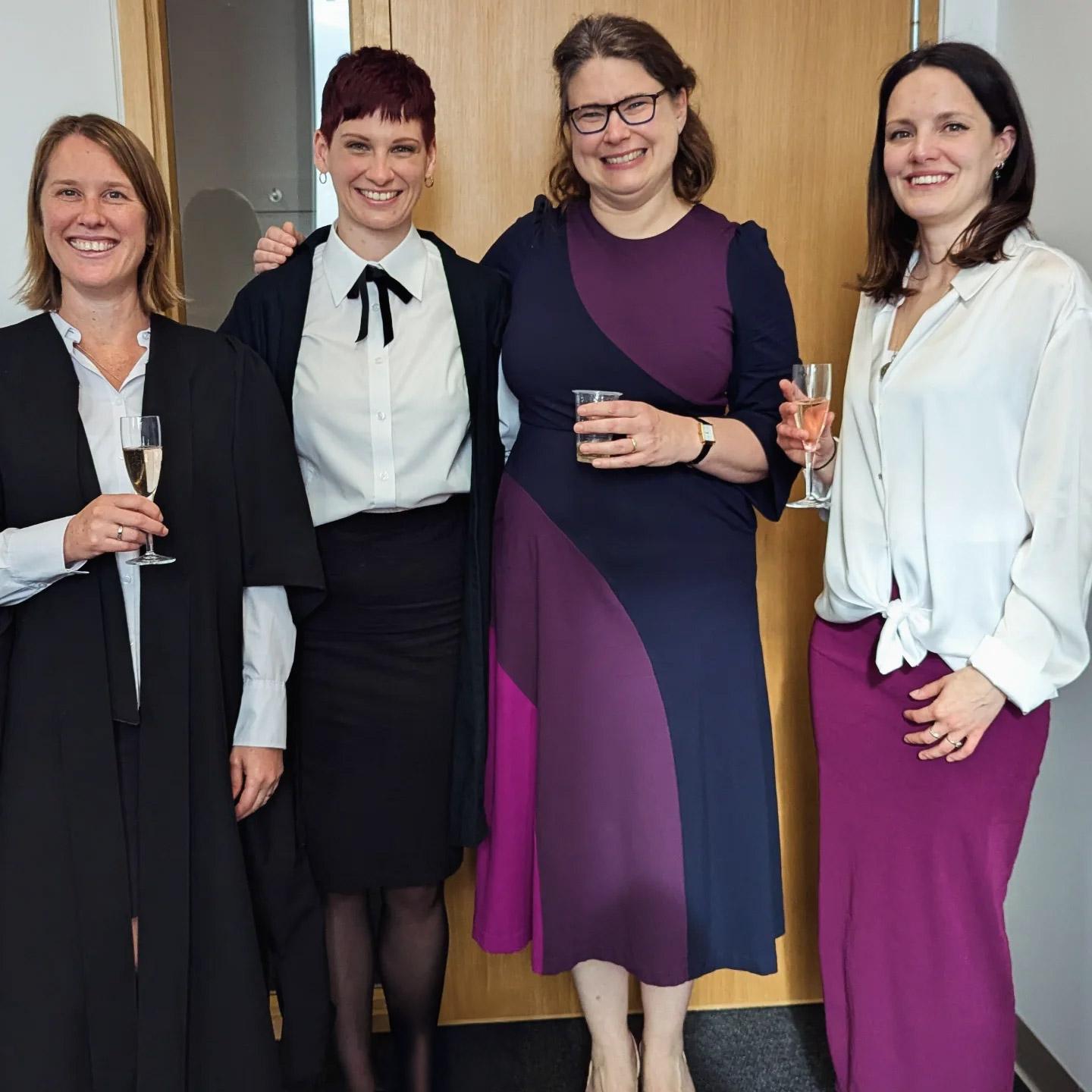
After the viva voce: A happy D.Phil. candidate (centre left) with satisfied examiners (far left and far right) and proud supervisor (centre right).
Our congratulations go to Unit D.Phil. student Camille Lasbareilles for successfully defending her doctoral thesis, entitled “The functional role of theta-gamma oscillations in human motor neurophysiology”, in her viva voce examination on 21st March 2025.
Camille’s viva examiners were Assistant Processor Katherine Dyke (University of Nottingham) and Associate Professor Melanie Fleming (University of Oxford).
Camille was supervised in the Unit by Professor Charlotte Stagg and Professor Huiling Tan.
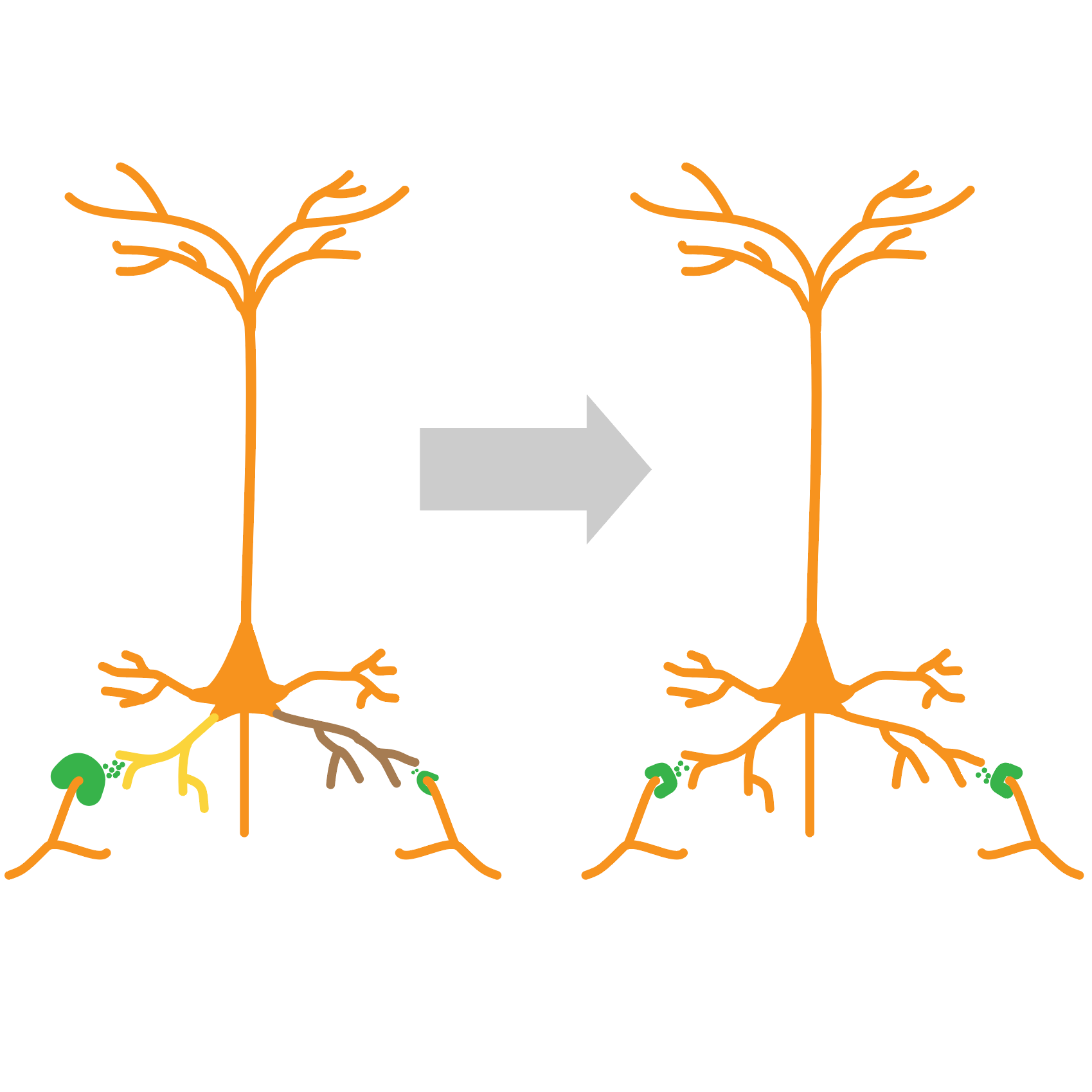
Congratulations to Unit Group Leader Professor Rafal Bogacz on being granted a prestigious Wellcome Discovery Award to fund groundbreaking new research on the fundamental mechanisms of learning in cortical neurons.
The Wellcome Discovery Award scheme provides funding to pursue bold and creative research ideas to deliver significant shifts in understanding related to human life, health and wellbeing.
Professor Bogacz will lead an interdisciplinary team that includes Co-Applicants Professor Claudia Clopath from Imperial College London and Professors Andrew King and Colin Akerman from the University of Oxford.
The planned research will combine computational modelling with experiments on real neurons to discover the mechanisms through which learning in large cortical networks emerges from interactions among basic building blocks of neural systems.
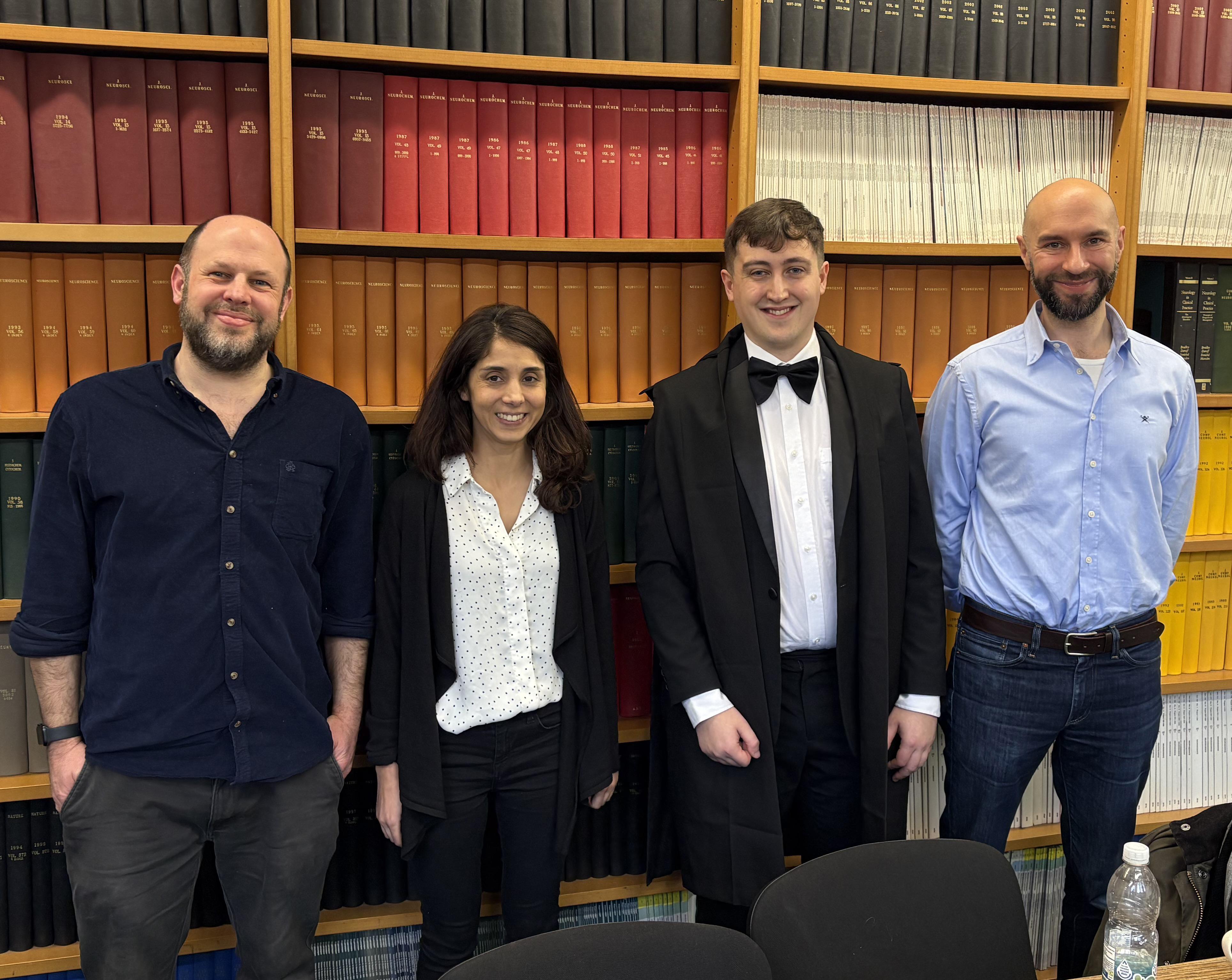
After the viva voce: A happy D.Phil. candidate (centre) with satisfied examiners (left and right) and proud supervisor (far left).
Our congratulations go to Unit D.Phil. student Isaac Grennan for successfully defending his doctoral thesis, entitled “Coordination of large-scale neuronal activity across physiology, pathology and neuromodulation”, in his viva voce examination on 26th February 2025.
Isaac’s viva examiners were Dr Silvia Viana da Silva (DZNE, Berlin, Germany) and Professor Bernhard Staresina (University of Oxford).
Isaac was supervised in the Unit by Professor Andrew Sharott and Associate Professor Hayriye Cagnan.

NDCN researchers Stuart Clare (WIN, left) and Natalie Doig (BNDU, centre), together with Aylesford School teacher Sam Holyman.
Unit postdoctoral researcher Dr Natalie Doig recently teamed up with NDCN colleague Professor Stuart Clare in a visit to Aylesford School in Warwick to engage pupils about the wonders of the brain and to encourage uptake of careers in STEMM (Science, Technology, Engineering, Mathematics and Medicine).
The visit began with a Year 11 assembly, where Stuart and Natalie introduced the fascinating world of neuroscience and how researchers study the brain across different scales. Stuart explained the principles of MRI and how it allows scientists to visualise the function of the brain, while Natalie delved into the microscopic world of neurons and the networks they form.
Thanks to a Royal Society Partnership Grant, the school was able to acquire new microscopes for their science classes, and these became the centrepiece of the hands-on activities that followed. Over the course of the day, Stuart and Natalie led five interactive lessons, in partnership with teacher, Sam Holyman, for pupils from Years 7, 8, 9, 10, and 12.
Pupils were able to examine brain cells under their new microscopes, getting a closer look at the intricate structures that form the foundation of brain function. Natalie also brought along a fluorescence microscope from the Unit, allowing pupils to see neurons glowing green under specialised lighting—a striking visual that highlighted the power of modern scientific techniques. Meanwhile, Stuart demonstrated how MRI works and can provide a big-picture view of how neurons in the human brain operate together.
The visit sparked curiosity and excitement, with pupils eager to ask questions and discuss a variety of topics from why we sleep to how the brain processes languages. The event not only enriched their understanding of the subject but also highlighted the importance of teamwork and interdisciplinary approaches to studying the brain.
Natalie commented “It was wonderful to engage with the pupils and partake in their enthusiasm for microscopy. Outreach activities like these are a crucial way to connect young minds with real-world medical research.”
Stuart commented: “We had such interesting questions from the students at Aylesford School, and working with Natalie was fun, as we showed the range of tools that neuroscientists use to study what makes us who we are.”
Teacher Sam commented: “We are so grateful for the support of the Royal Society, Stuart, Natalie and their teams at University of Oxford for coming into school and sharing their experts to inspire the next generation of STEMM students and professionals.”
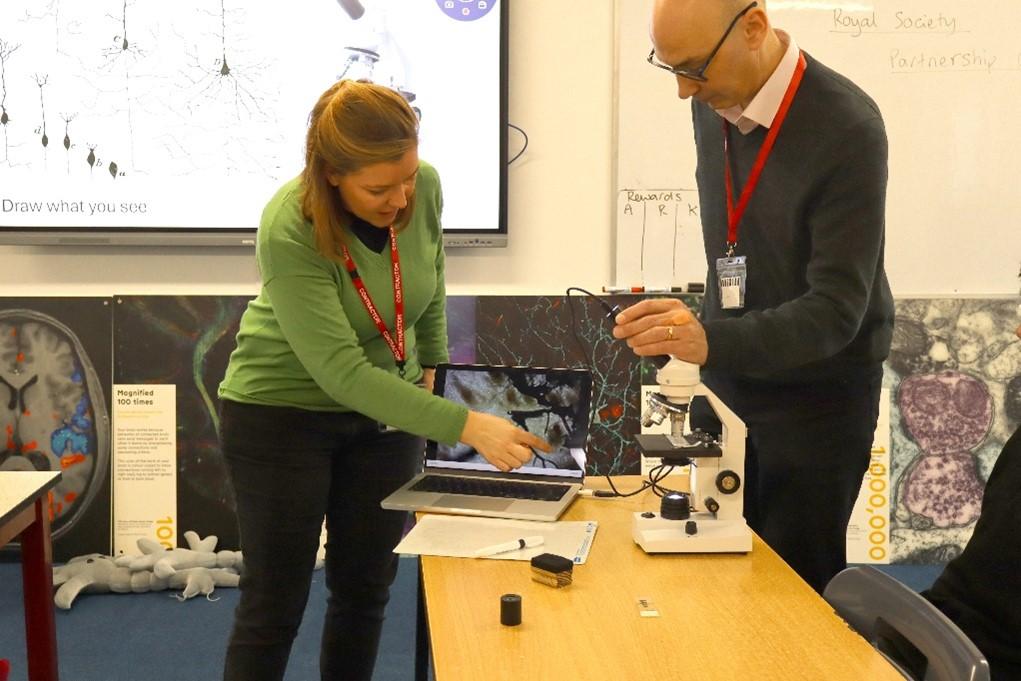
Natalie and Stuart demonstrate the use of the school’s new microscopes to look at real neurons.
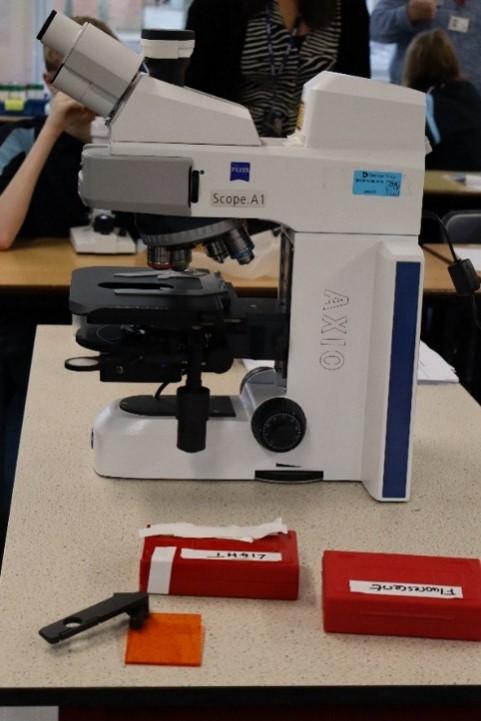
Natalie brought along a fluorescence microscopy from the BNDU to show the school pupils some real green-glowing neurons.
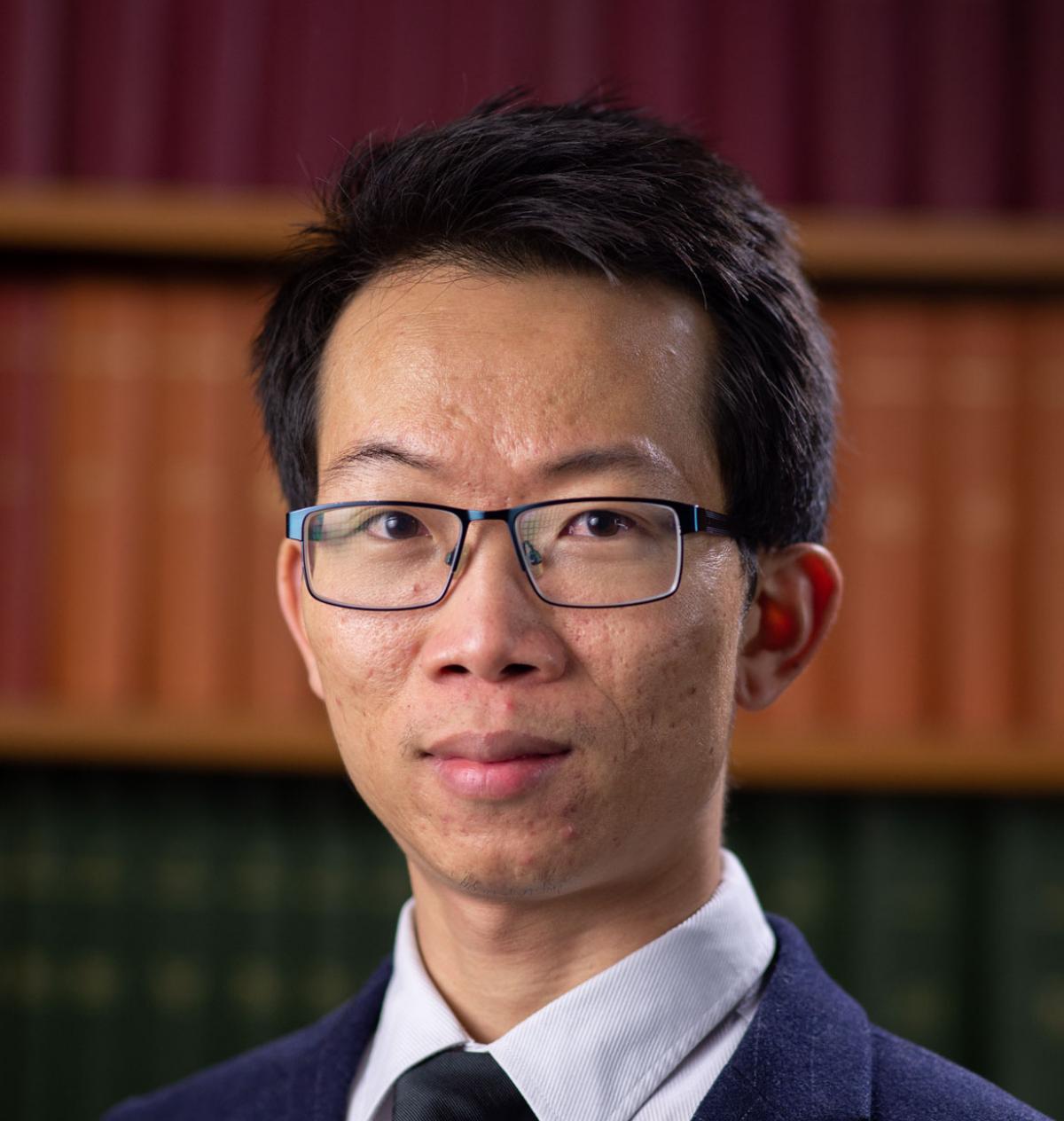
Many congratulations to Unit postdoctoral researcher Dr Shenghong He on being awarded a prestigious Senior Research Fellowship by Parkinson’s UK.
Parkinson’s UK is a charity that aims to drive better care, treatments and quality of life for people with Parkinson’s. The Senior Research Fellowships are designed to recognise future leaders of Parkinson’s research and to provide them with funds to set up their own project teams as they develop their careers.
Shenghong will start his Senior Research Fellowship in October 2025. His Fellowship research will be focused on gaining a better understanding of the brain functions that contribute to tremor and gait disturbances in Parkinson’s, with a view to using this knowledge to improve brain stimulation techniques for better clinical outcomes in treating Parkinson’s.
Shenghong commented: “I am delighted to be awarded this Fellowship. I look forward to working closely with colleagues in the Unit and at Parkinson’s UK to advance my research on Parkinson’s.”
Unit Director Professor Peter Magill commented: “We are thrilled for Shenghong. This new Fellowship is richly deserved. Shenghong is an outstanding researcher, and a valued colleague and collaborator. His scientific vision is in excellent alignment with the Unit’s discovery and translational research portfolios, and we look forward to working with him during his Fellowship. Shenghong’s achievement provides another sterling endorsement of the Unit’s commitment to excellence in the training and career development of its membership.”

Congratulations to Unit postdoctoral researcher Dr Vitor Lopes dos Santos on winning the Director’s Award for Open Research for 2024.
The Award is given annually, on the basis of nominations made by Unit members, to recognise and celebrate the exemplary contributions of an individual or small collective to the Unit’s Open Research activities. The Award reflects diverse contributions to Open Research, from the sharing of data, code, experimental protocols and materials, to the promotion of best practice and the provision of enabling infrastructure.
Professor Peter Magill announced Vitor’s Award at the Unit’s recent Science Day. Professor Magill commented “It is a great pleasure to recognise and reward Vitor in this way. He has demonstrated outstanding leadership in disseminating best practice in Open Research. He has not only made important contributions to the Unit’s Data Sharing Platform but has also worked with and empowered external researchers to curate data and share code to enhance their reuse and reproducibility. The Award Committee was also impressed by Vitor’s sustained commitment to supporting his early-career researcher colleagues in their own Open Research activities.”
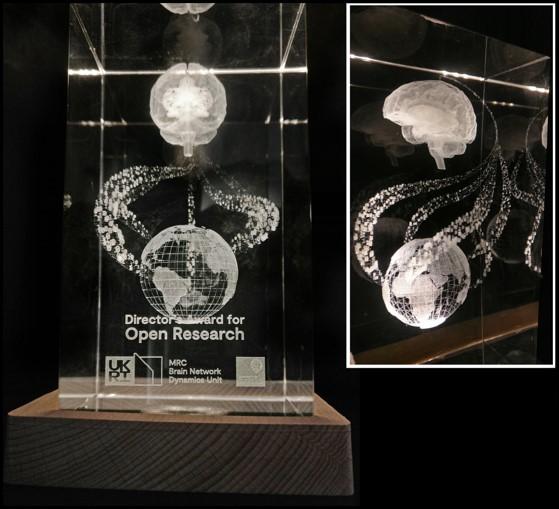
The Director's Award for Open Research Award.
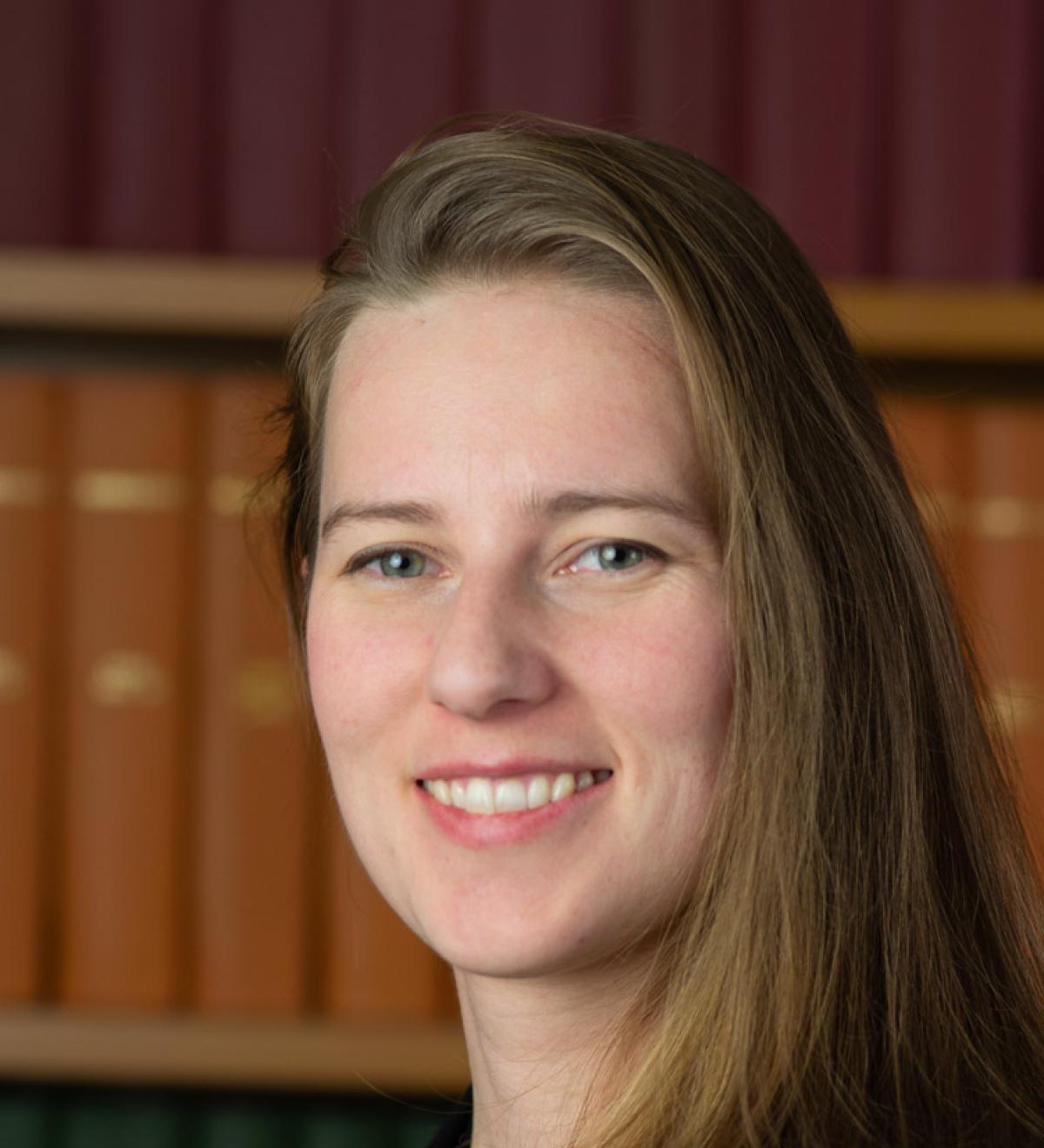
Our congratulations go to Unit D.Phil. student Demi Brizee for successfully defending her doctoral thesis, entitled “On superficial interneurons of dorsal hippocampal CA1”, in her viva voce examination on 11th February 2025.
Demi’s viva examiners were Assistant Professor Tristan Geiller (Yale School of Medicine, USA) and Professor Colin Akerman (University of Oxford).
Demi was supervised in the Unit by Professor David Dupret, Dr Vitor Lopes dos Santos, and Professor Peter Magill.
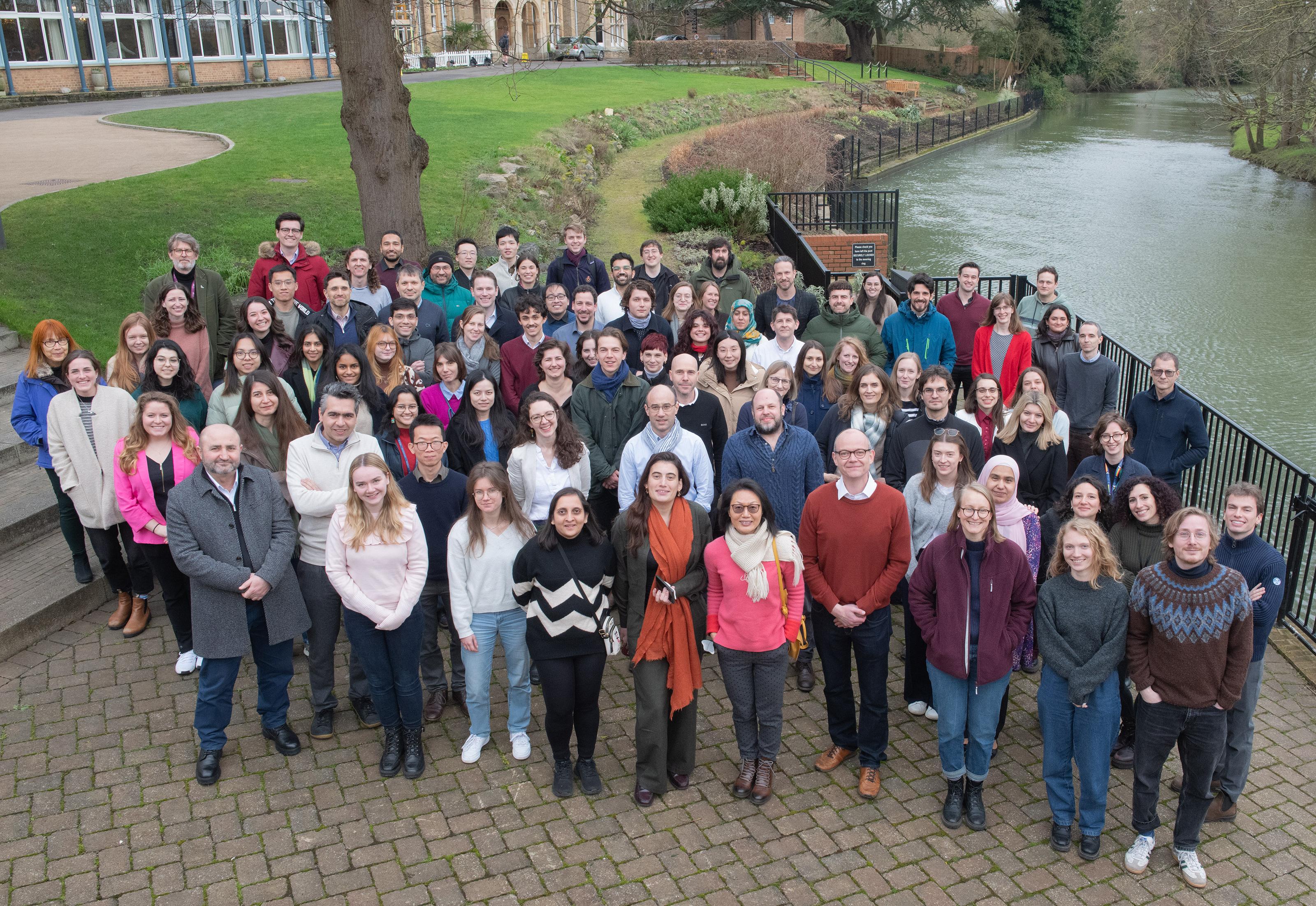
Attendees at the BNDU’s Science Day in Winter 2025.
The Unit held its nineteenth Science Day on Friday 7th February 2025. Unpublished work and future research projects were the centre of conversation, and Unit members and visitors eagerly took the chance to give the informal feedback that is essential for fostering collaborative working across S.T.E.M.M. disciplines.
There were 8 short talks delivered by the Unit’s early-career researchers. Attendees were also treated to special lectures from Unit alumni Dr Paul Dodson (University of Bristol), Dr Stéphanie Trouche (University of Montpellier, France), Dr Hayriye Cagnan (Imperial College London), and Dr Abbey Holt Becker (Medtronic, USA).
Unit Director Professor Peter Magill commented: “It was exciting to see how the work of the Unit’s early-career researchers continues to deliver critical new insights into brain function and dysfunction. As the Unit approaches its 10th anniversary, this Science Day provided a great opportunity to reflect on our collective achievements since the Unit was created. Markers of the Unit’s success are many and varied, straddling scientific discoveries, translational innovation, research culture, and cross-sector capacity building. Our alumni and current membership are well positioned to ensure the Unit has a lasting legacy of excellence.”
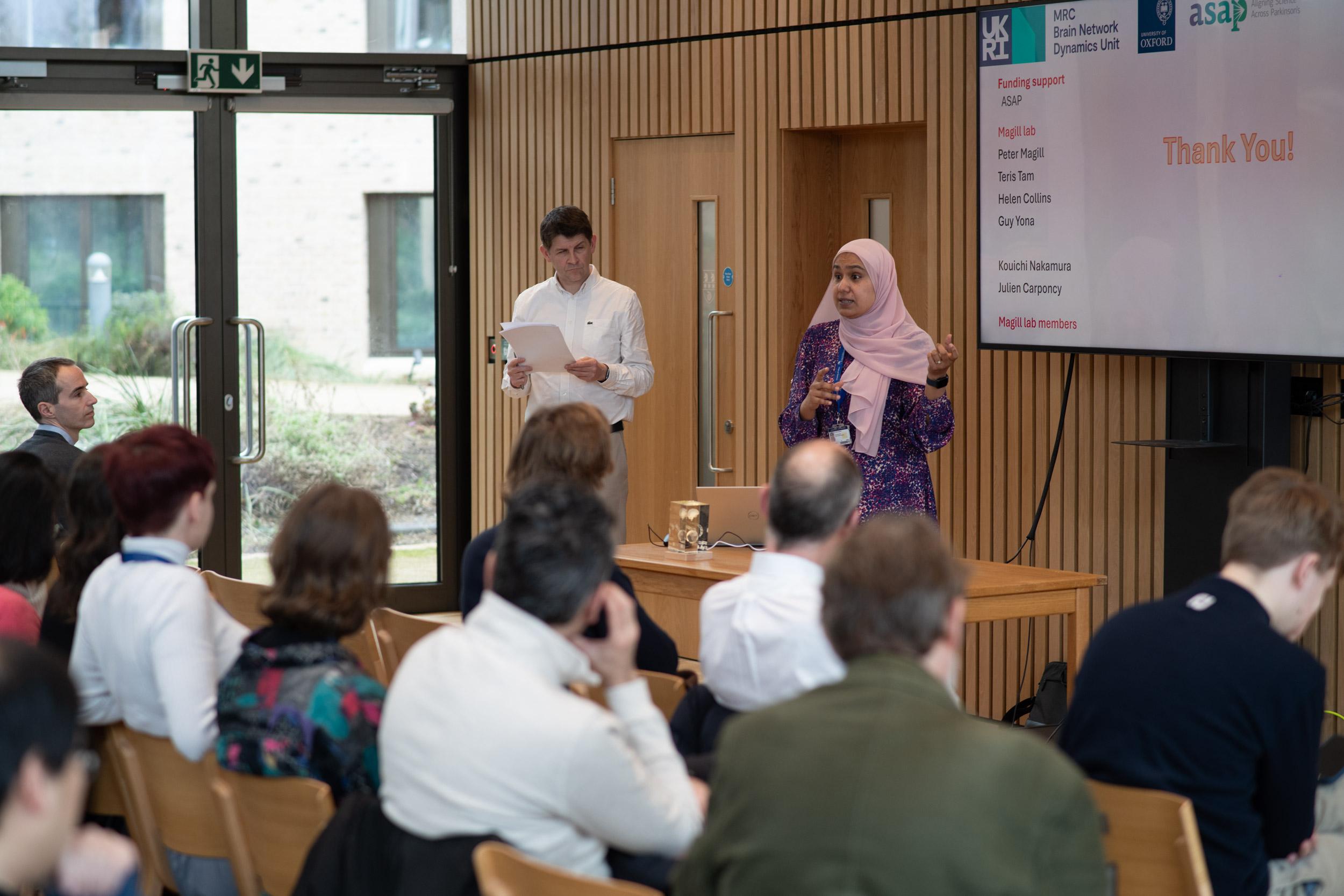
Unit postdoctoral researcher Rasha Elghaba showcases her ongoing work on neuromodulator signalling in the striatum during behaviour.
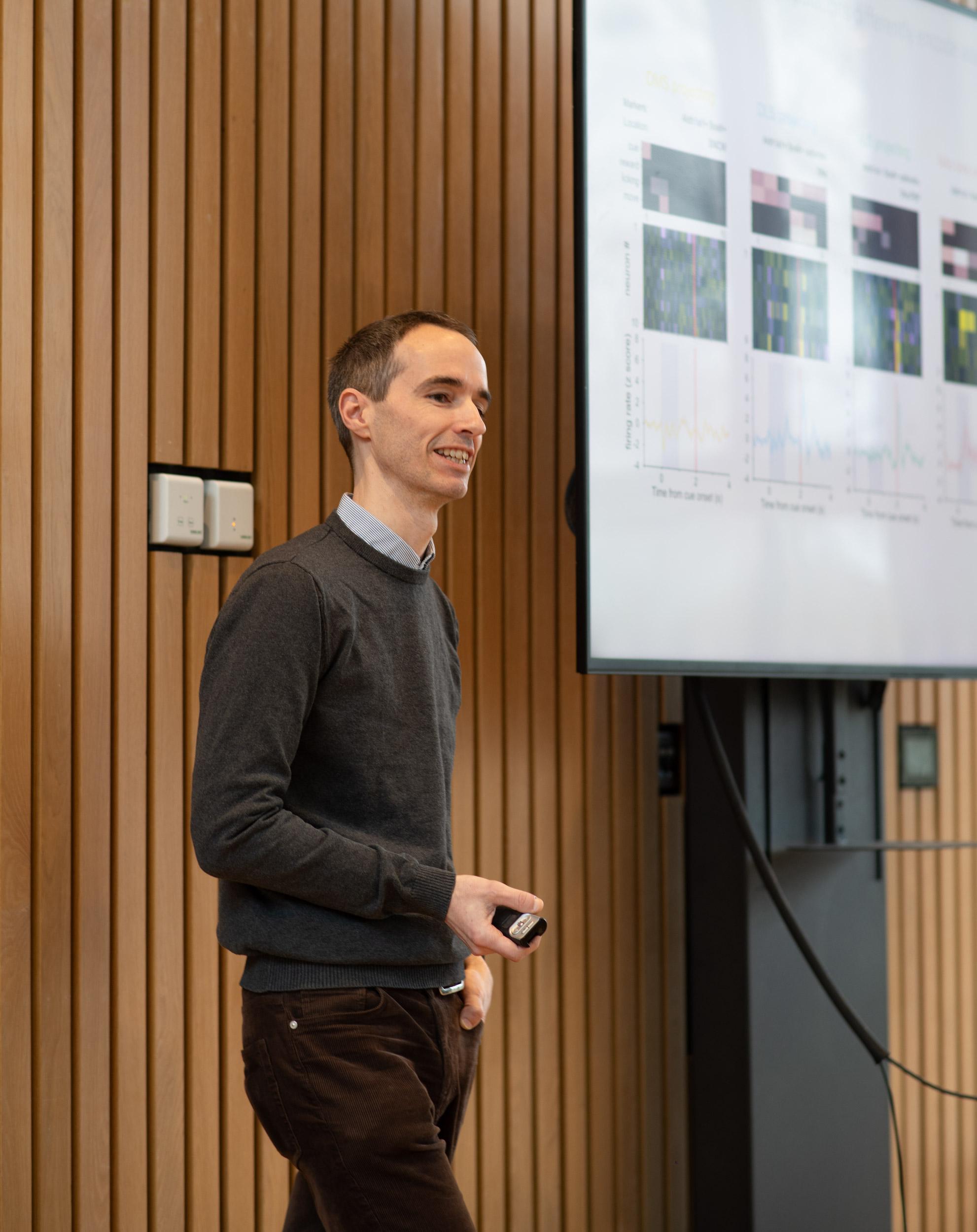
Unit alumnus Dr Paul Dodson presents some of the latest research from his group based at the University of Bristol.
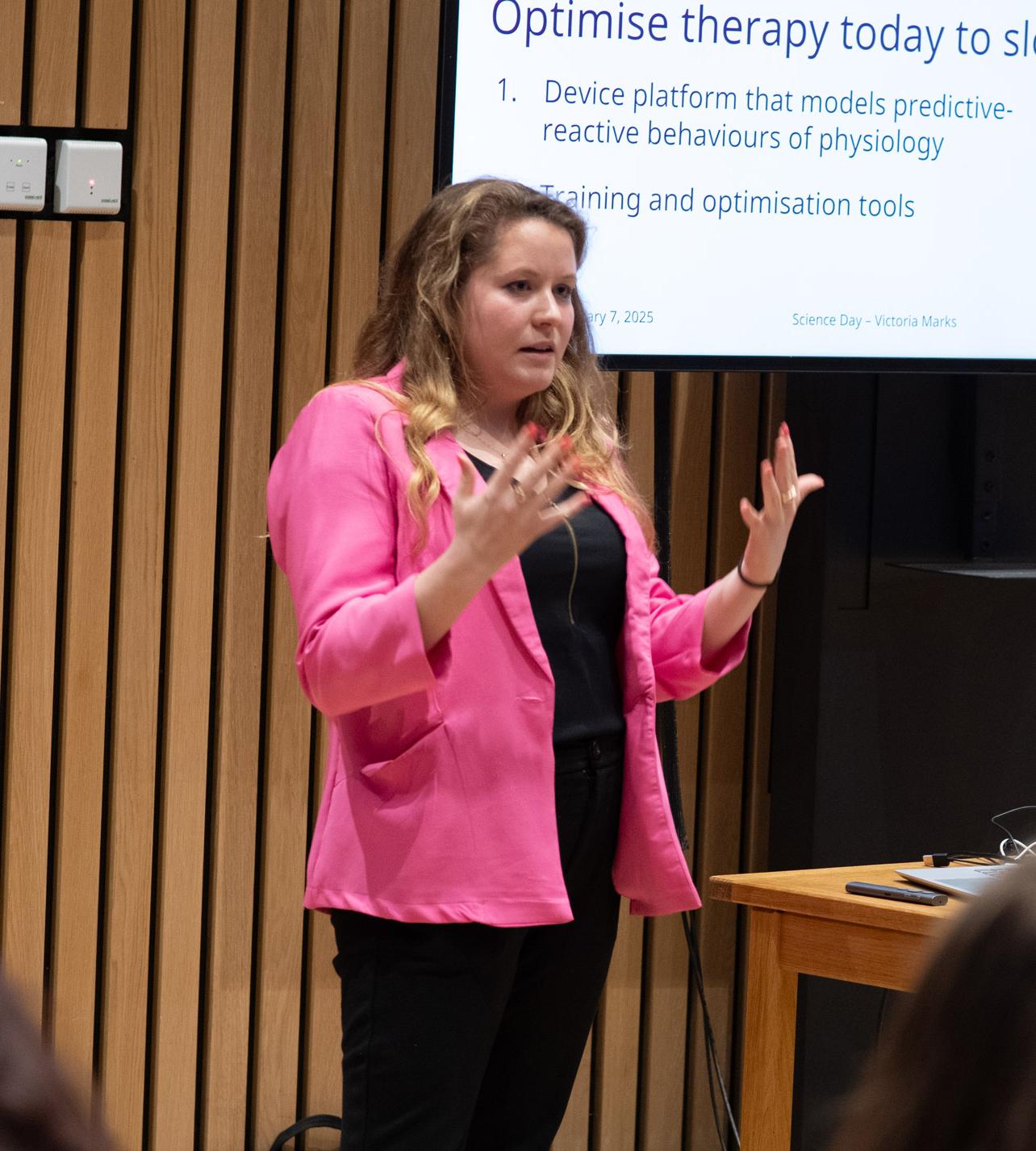
Unit postdoctoral researcher Tory Marks discusses advanced algorithms for controlling brain-stimulation devices.
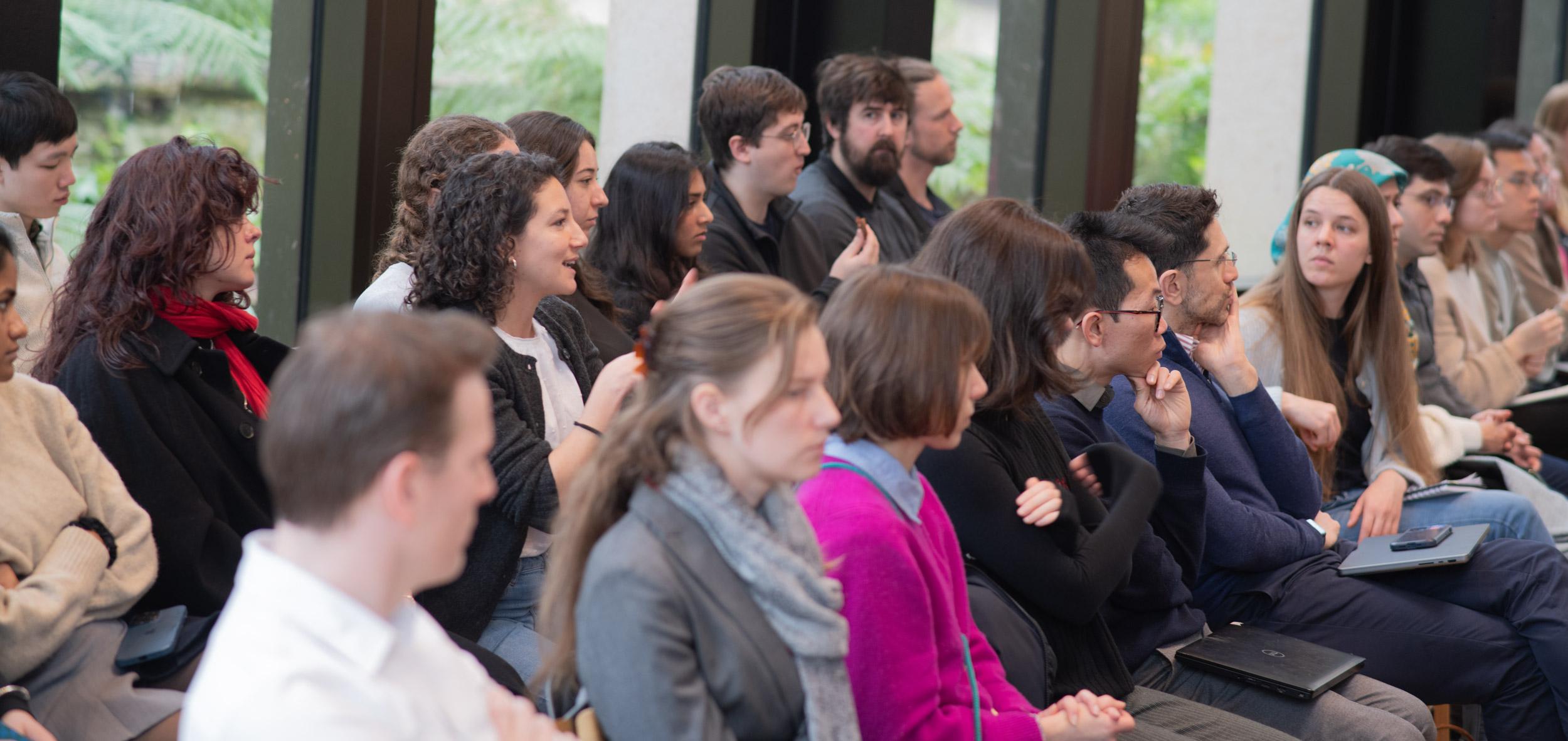
Audience members ask questions at Winter Science Day 2025.
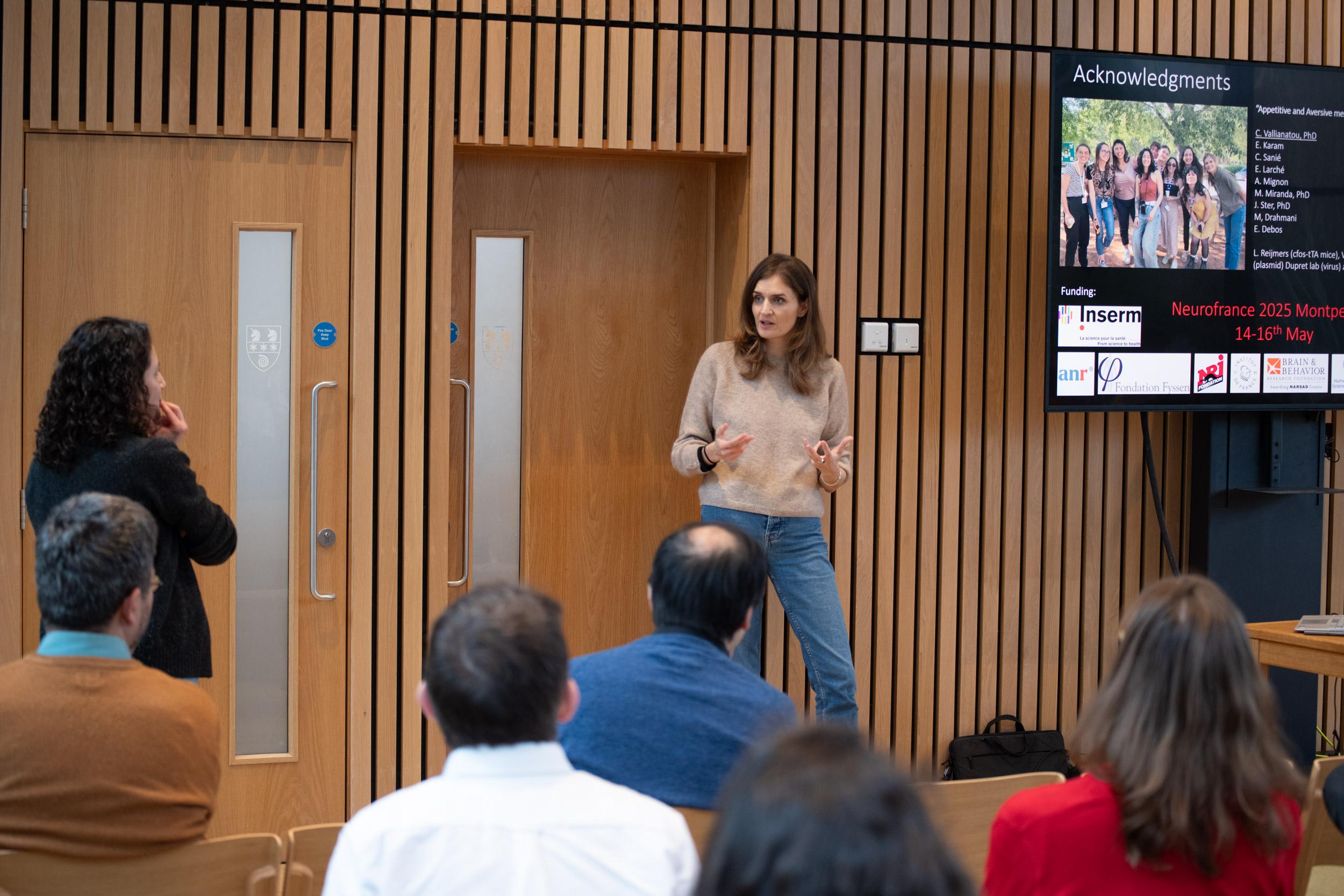
Unit alumna Dr Stéphanie Trouche presents some of the latest research from her group based at the University of Montpellier.
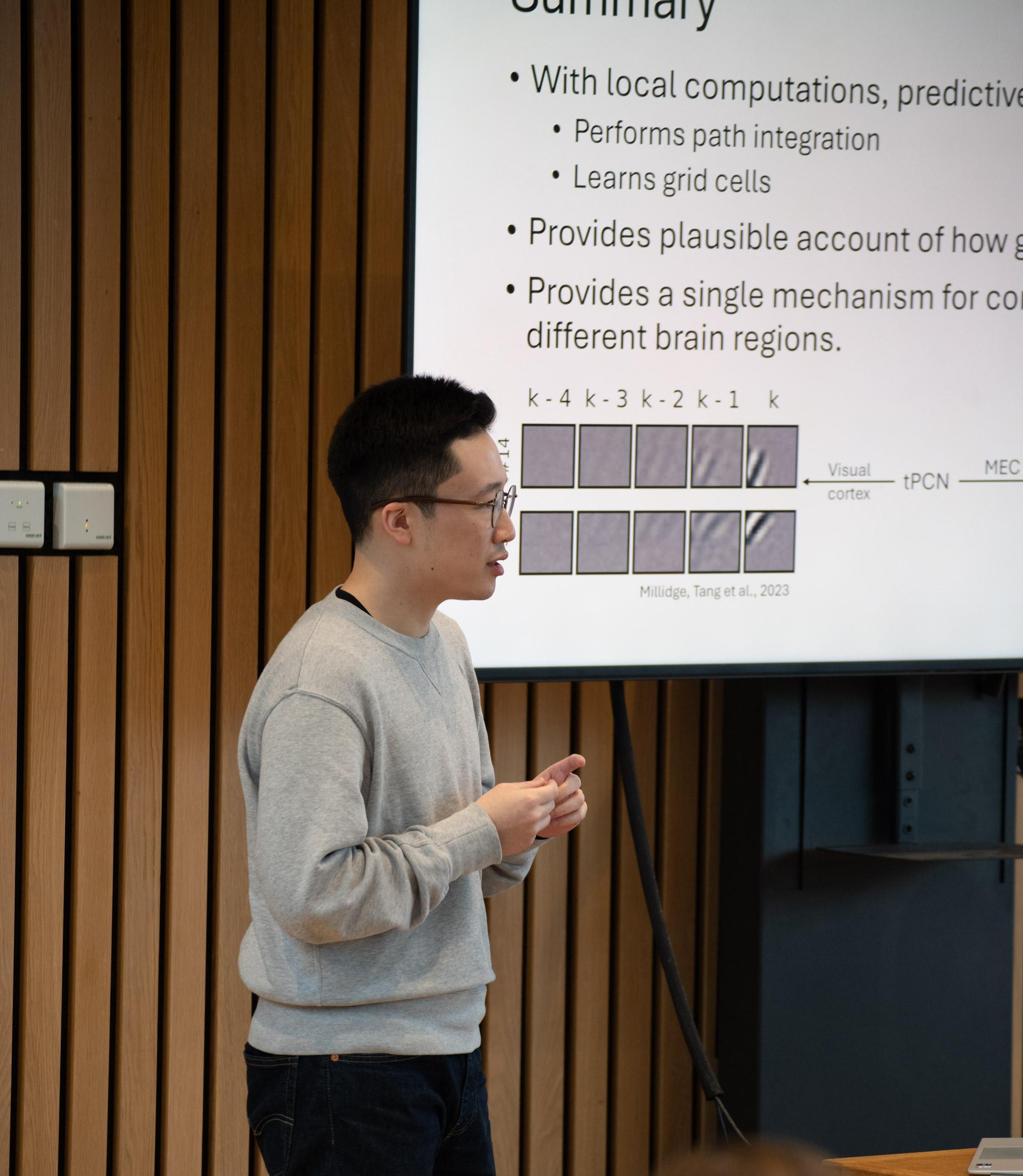
Unit student Mufeng Tang discusses new facets of predictive coding in the brain.
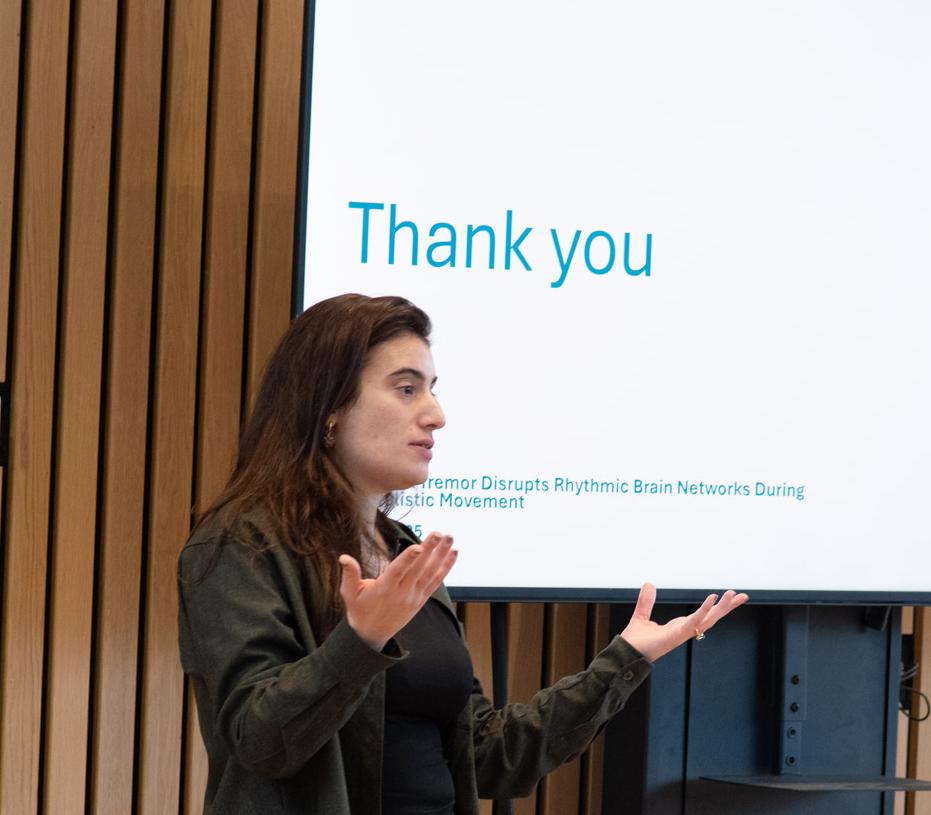
Unit alumna Dr Hayriye Cagnan answers audience questions after presenting some of the latest research from her group based at Imperial College London.
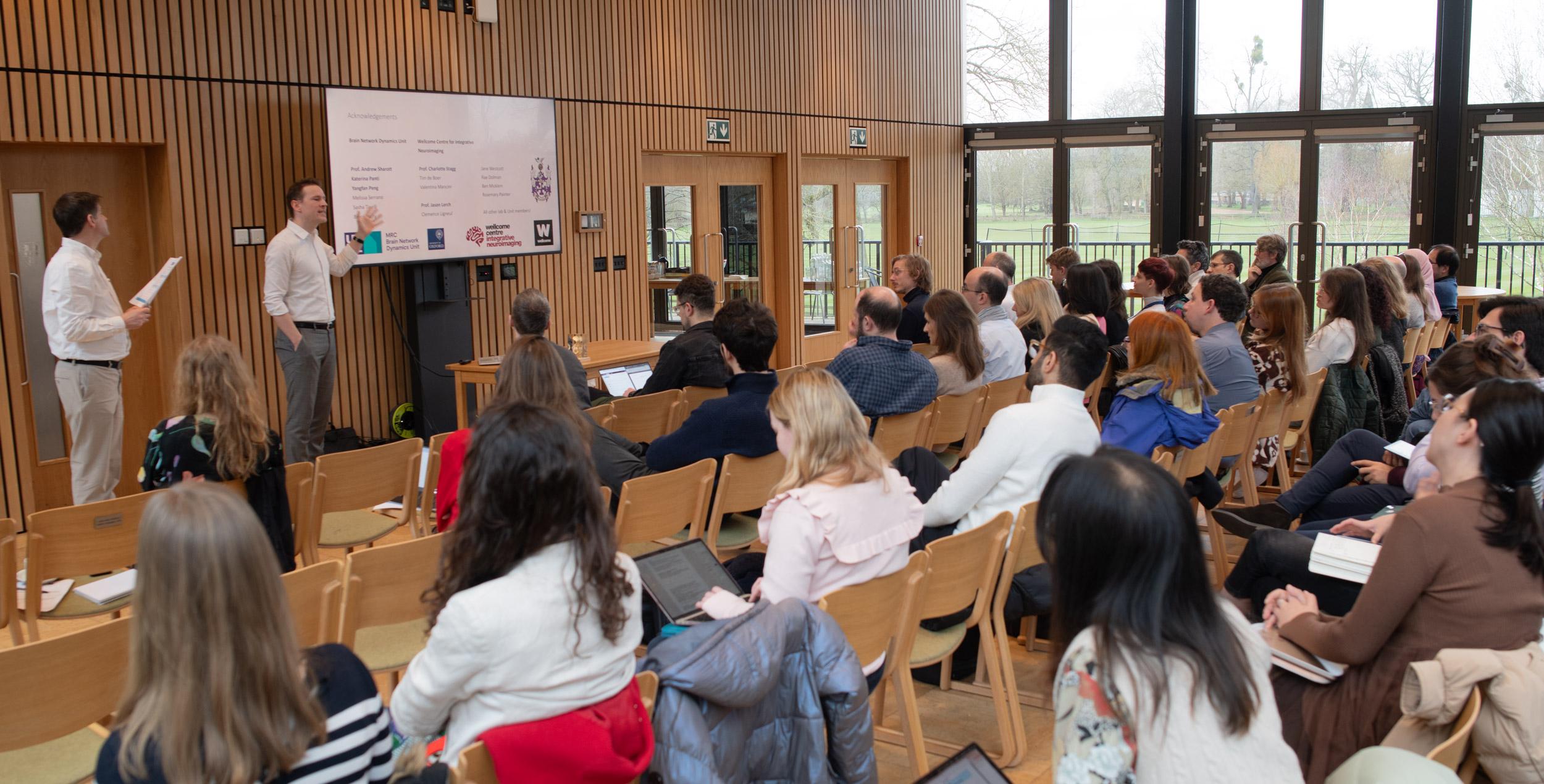
Unit postdoctoral researcher Jeffrey Stedehouder explains his latest research on altered neuronal activity in models of psychiatric disorders.
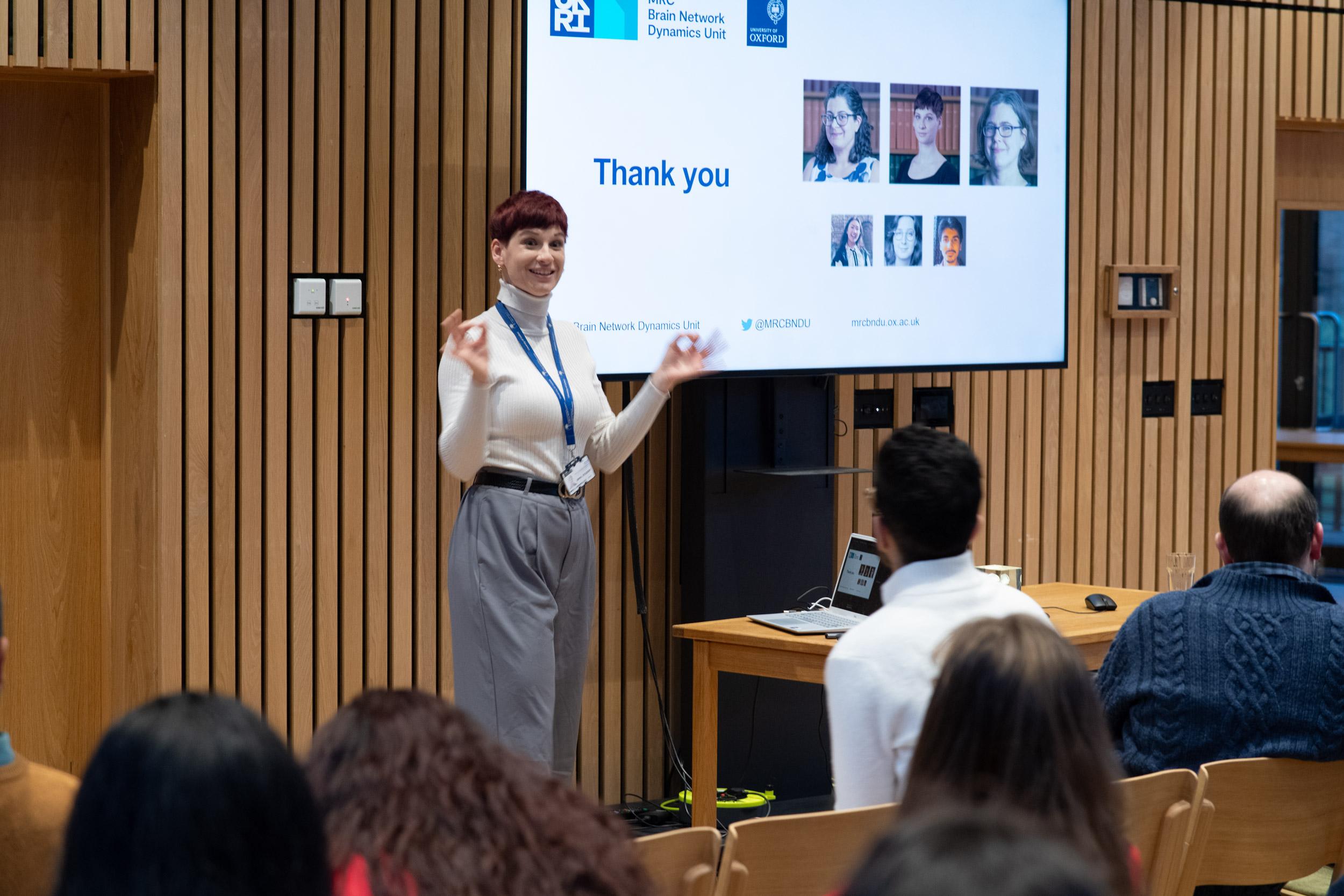
Unit student Camille Lasbareilles explores the neurophysiological basis of neuronal oscillations in human motor cortex.
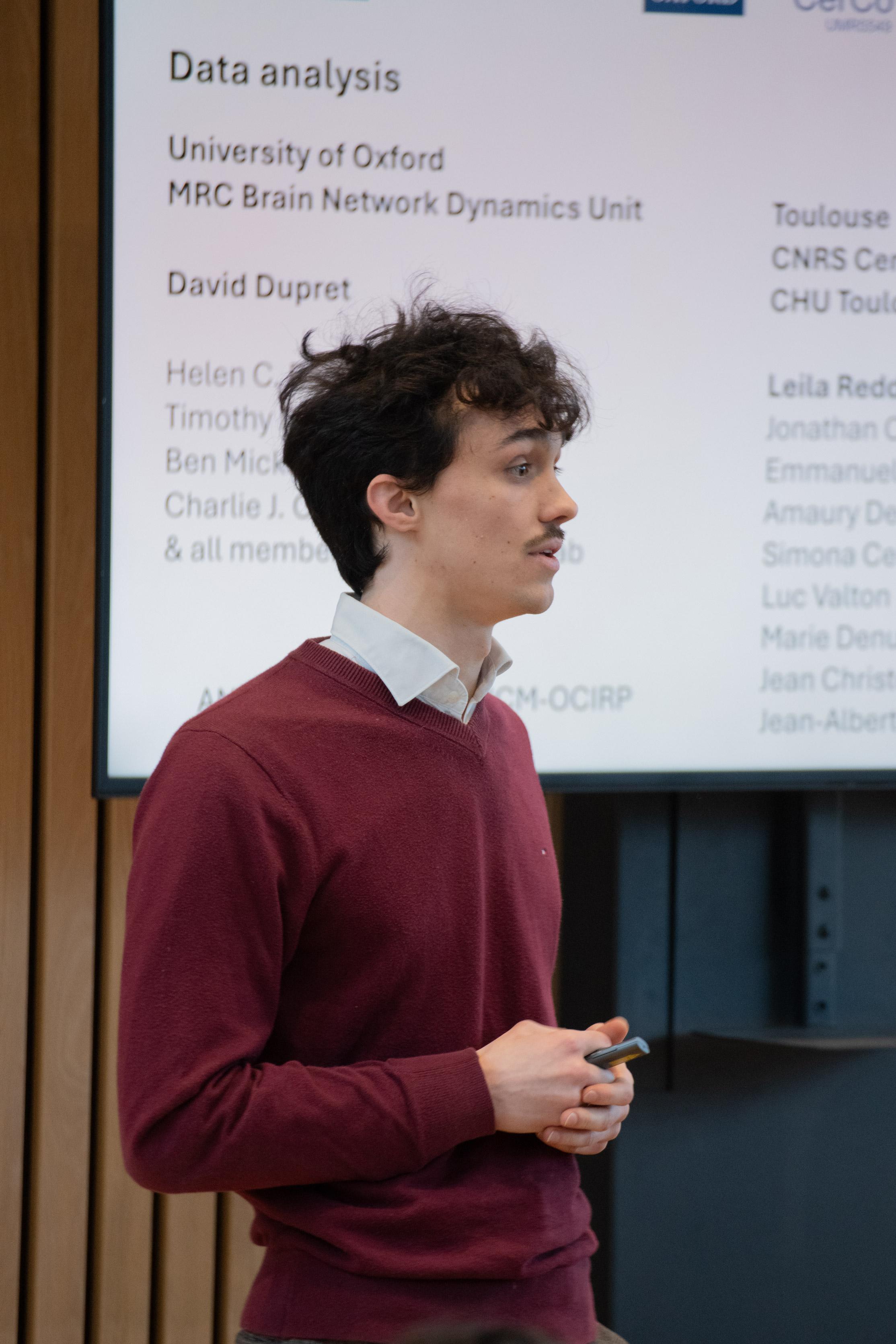
Unit student Adrien Causse compares neural dynamics in human and rodent brains.
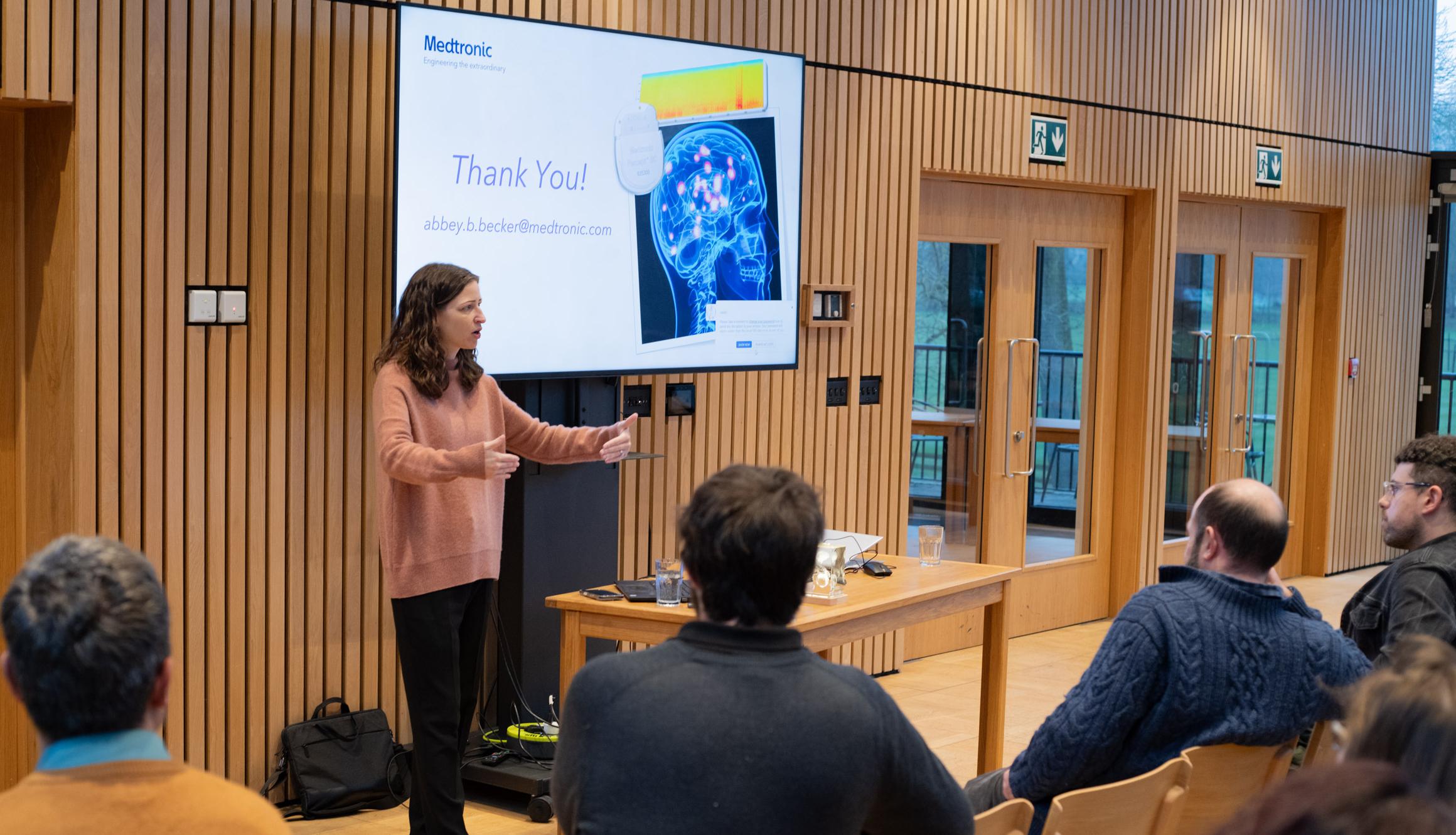
Unit alumna Dr Abbey Holt Becker answers audience questions after presenting a historical overview of research on brain sensing technology.
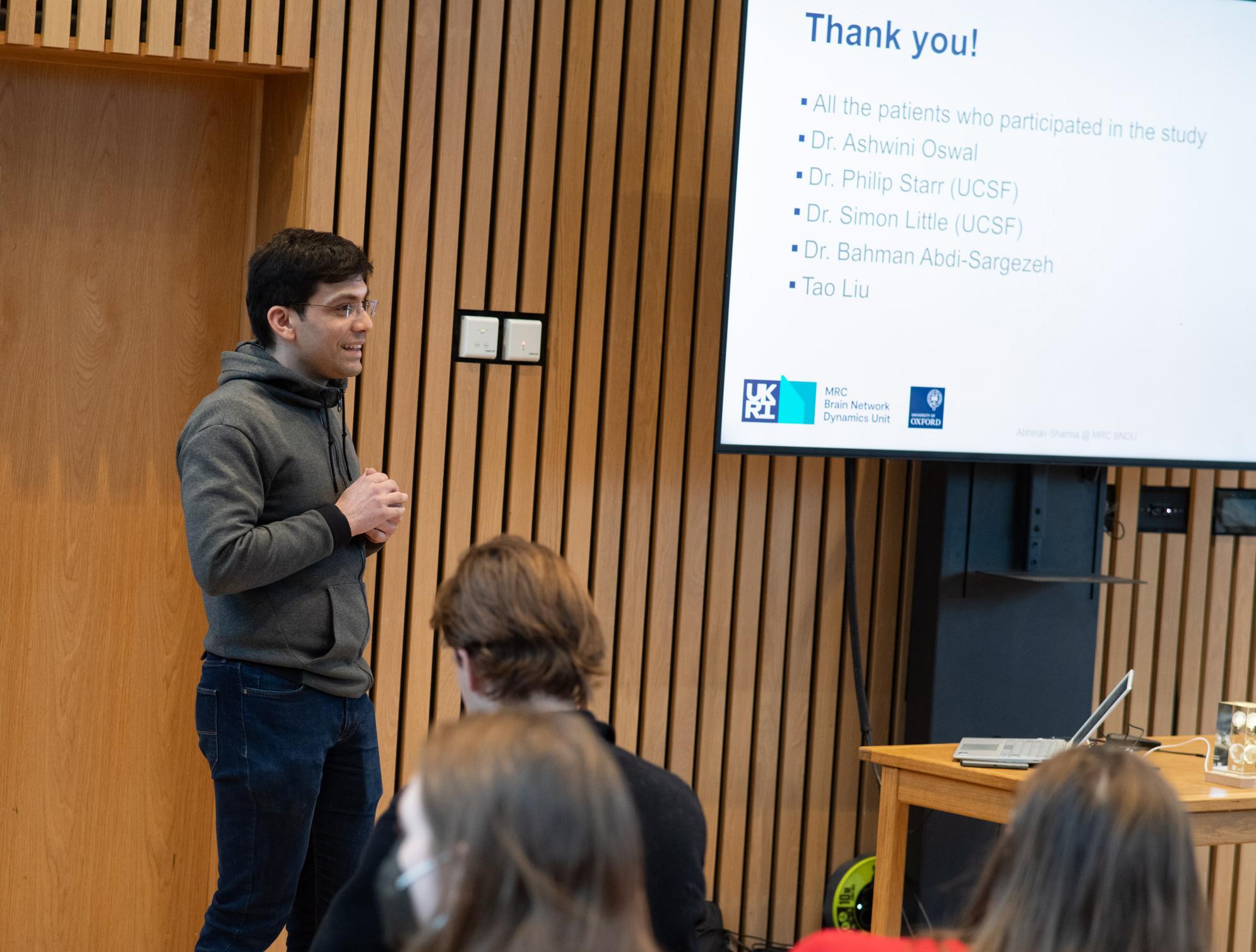
Unit postdoctoral researcher Abhinav Sharma highlights how mathematical modelling can be used to unravel brain circuit dynamics in Parkinson's.
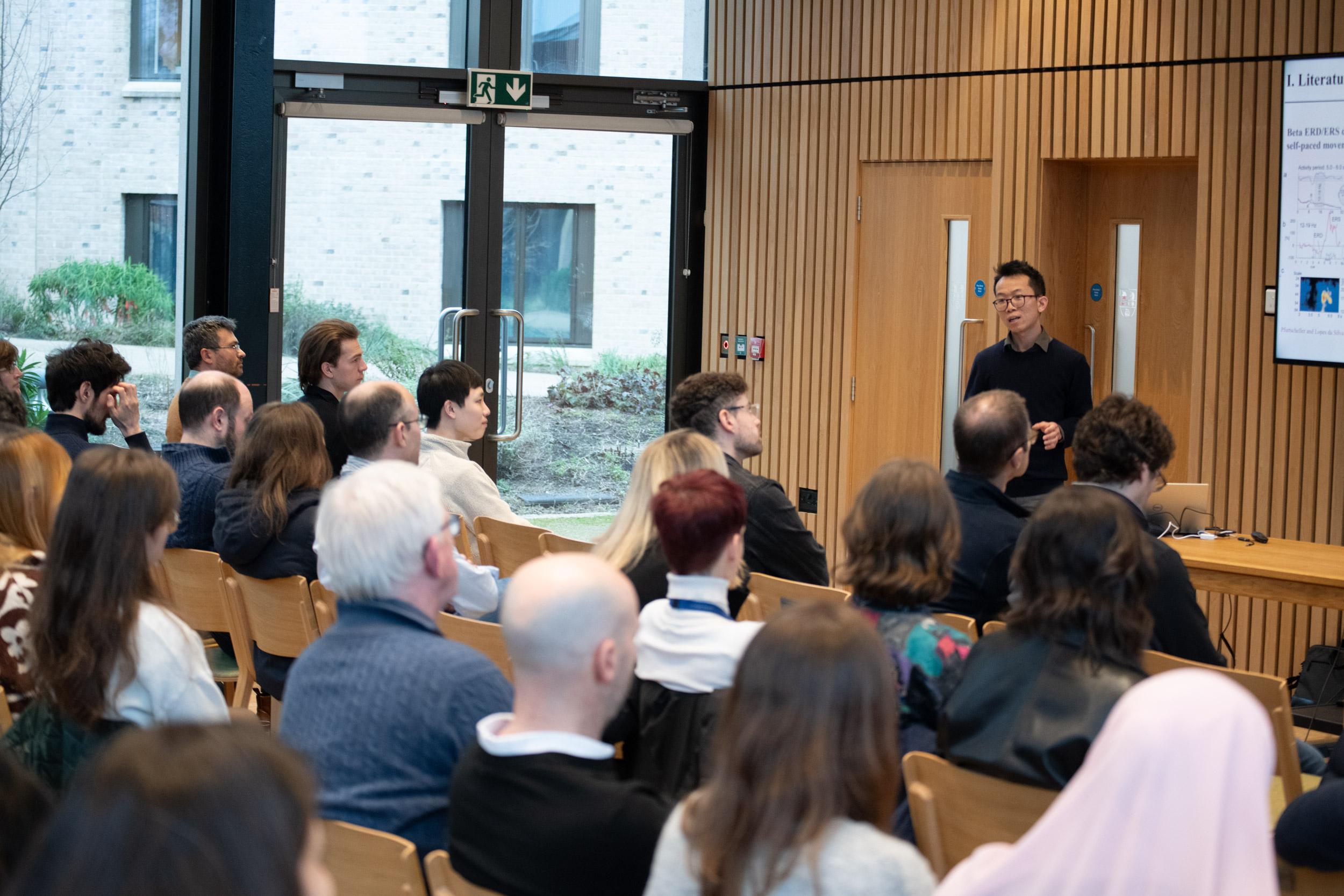
Unit postdoctoral researcher Shenghong He discusses how non-invasive magnetic brain stimulation can reveal the role of specialised brain activity in movement preparation.