Van Rheede Group
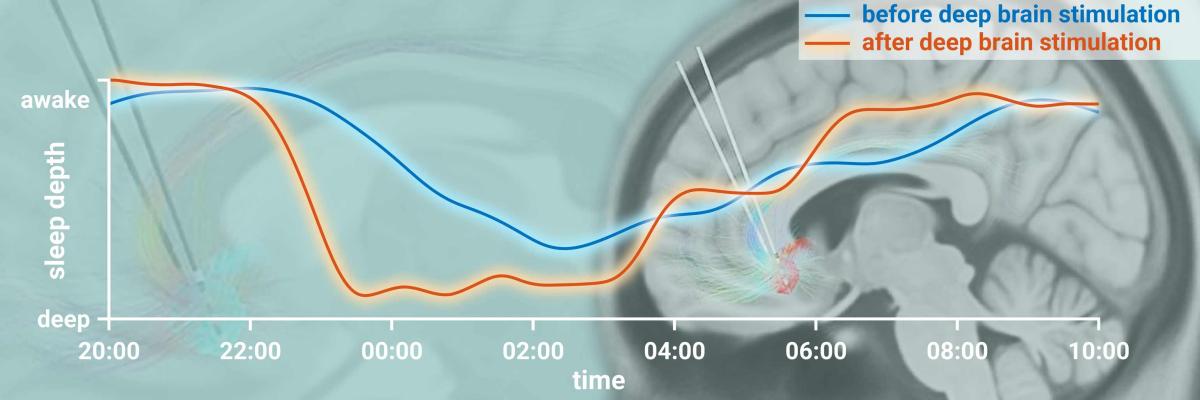
Our aim is to improve medical brain stimulation therapies through a better understanding of their interactions with brain activity over longer (clinically relevant) time scales. A key goal is to optimise therapy for different brain states (such as wakefulness, non-REM and REM sleep). A secondary aim is to better enable research into 24/7 brain-computer interfacing, sleep, and circadian rhythms with the technology and analysis methods we develop.
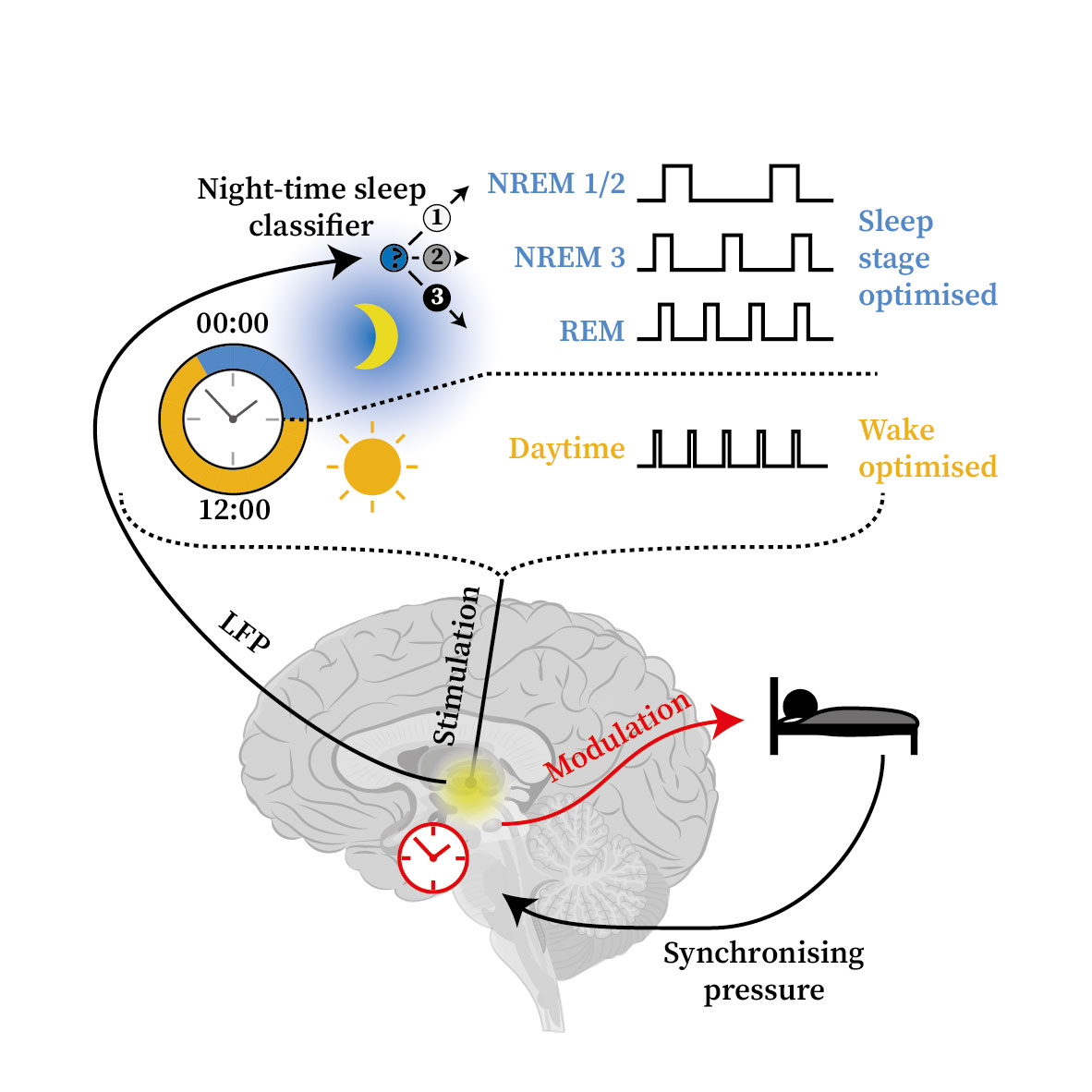
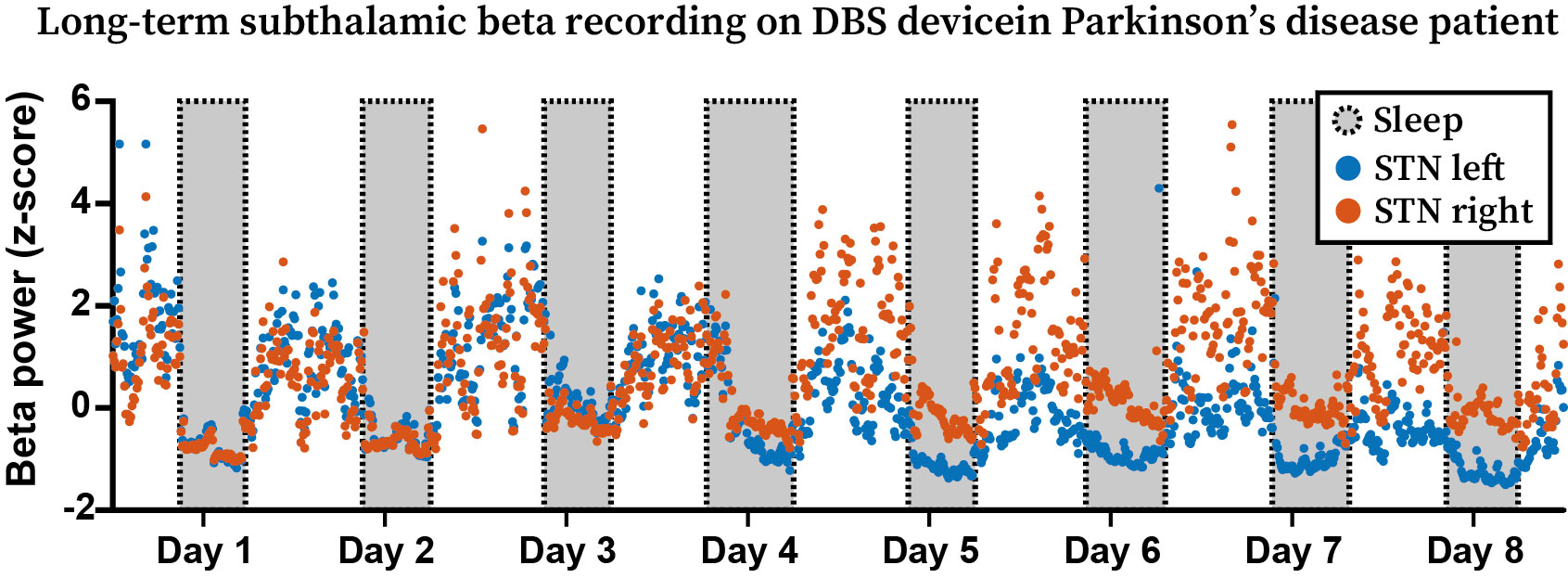
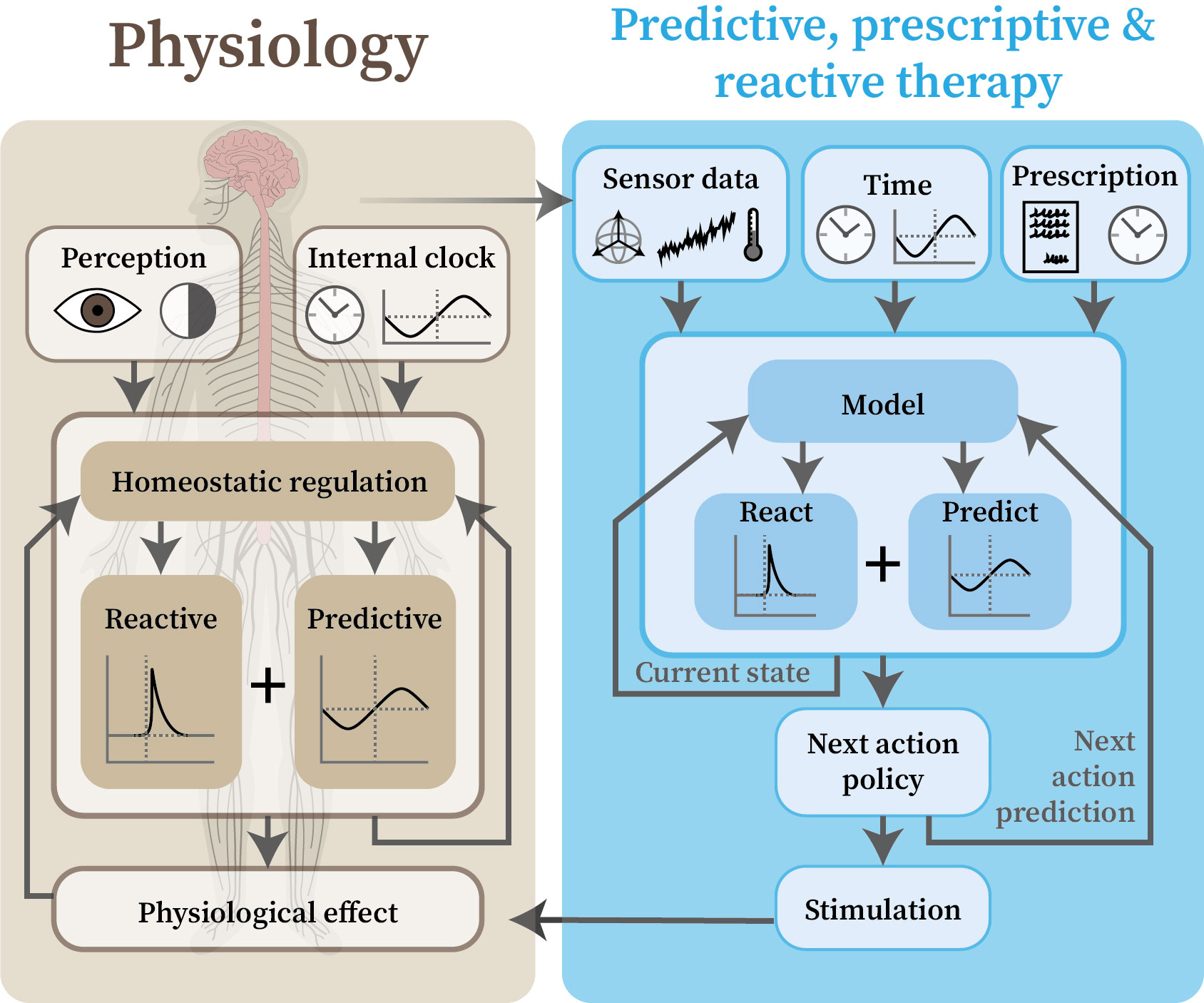
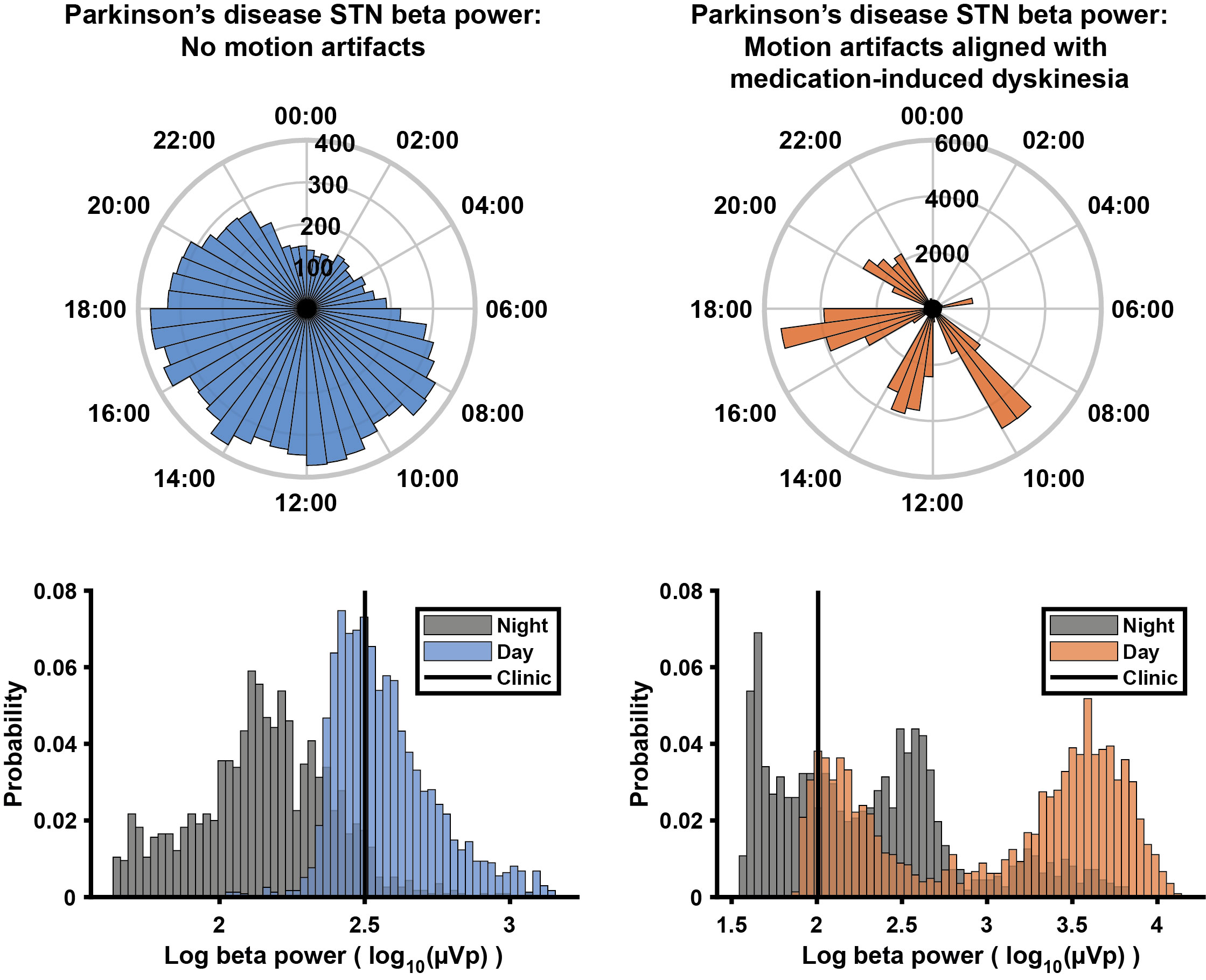
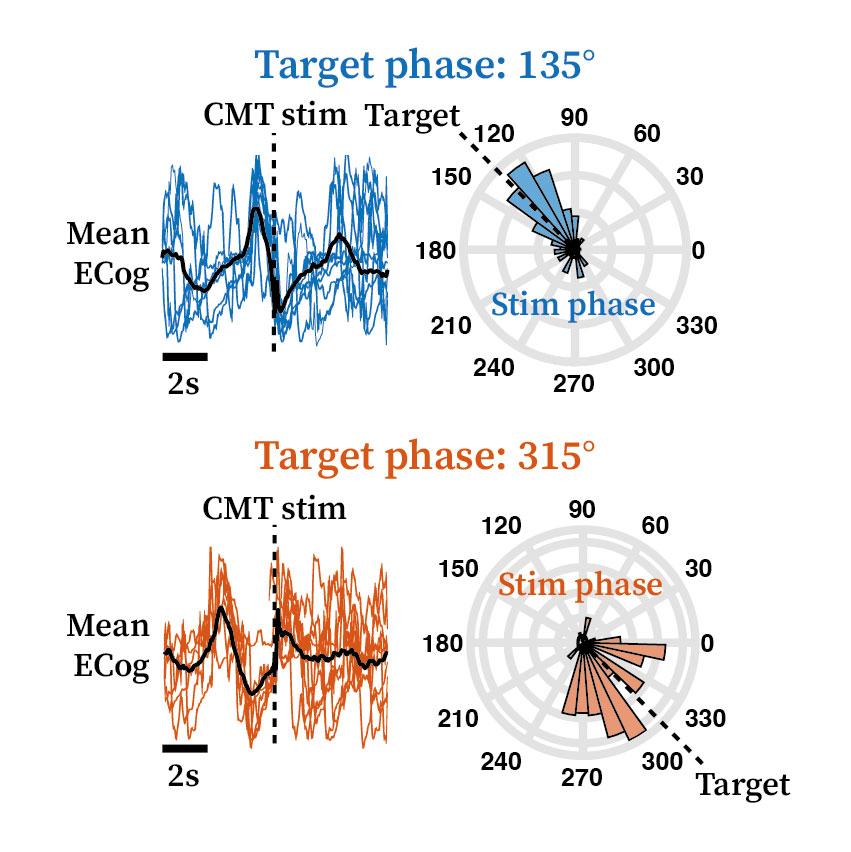
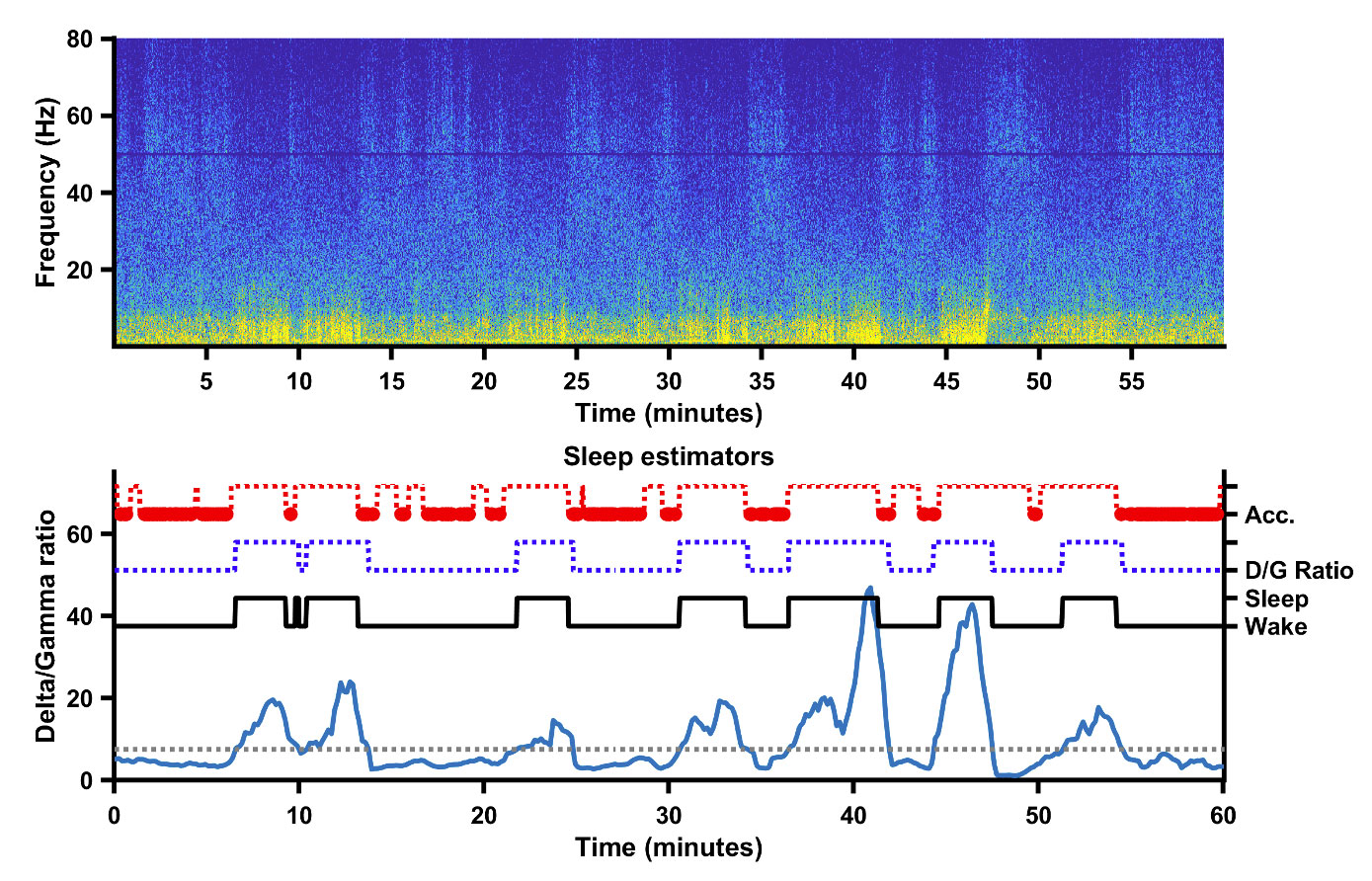
We collect and analyse data from patients and preclinical animal models to investigate the long-term interaction of therapeutic implants and brain activity. This includes understanding the behaviour of brain activity ‘physiomarkers’ across the 24 hours of the day, across different symptoms, the sleep-wake cycle, and behavioural factors like patterns of activity. Secondly, we are developing technology and research protocols to help us understand the optimal therapy parameters for each brain state (sleep stage) – which requires long-term experiments in preclinical models across the 24 hours of the day.
To date, over 200,000 people have benefited from therapeutic brain stimulation implants to treat the symptoms of neurological disorders such as Parkinson’s disease, epilepsy and chronic pain. These implants can make a great difference to quality of life and independence, but they rarely completely abolish symptoms and can also have side effects. Recently, new technology has enabled smarter, ‘adaptive’ brain stimulation therapies that adjust treatment according to measures of brain activity that are associated with symptoms (brain activity ‘physiomarkers’). These physiomarkers were discovered in daytime (waking) studies with patients in the clinic or the lab, and adaptive therapies are generally calibrated by clinicians during working (waking) hours. However, these brain stimulation therapies ultimately run 24 hours of the day while patients go about their everyday lives. Therefore, it is essential that these smarter therapies (and the measurements they depend on) are reliable during all aspects of daily life.
Importantly, we spend about 1/3rd of our time asleep. Sleep encompasses a series of different brain states, during which the brain behaves in fundamentally different ways.
Making sure that brain stimulation therapies operate as they should during different sleep stages, to protect healthy sleep as well as treat sleep-specific symptoms, is a key challenge for the next generation of brain stimulation therapies. Therefore, an important area of research is algorithms and technology for estimating and responding to brain state changes in real time on brain stimulation implants. Classifying brain states on human implants is a challenge because they use only 1/1000th of the power used by a mobile phone, have limited memory and on-board processing, and can only record brain signals from the clinical stimulation target(s).
There are also unique opportunities arising from long-term deep brain recordings from implanted devices. They may enable observation of activity from deeper brain targets, across longer time scales and a wider range of daily activities than standard scalp EEG in a laboratory setting. We use these recordings to explore new and established neurophysiological signatures (‘physiomarkers’) of physiological and pathological processes. However, recordings made on implants during active brain stimulation, while patients are at home going about their daily life, are susceptible to unwanted interference from signals generated by the stimulation itself, by patient movement, or by physiological processes such as the heartbeat. Therefore, key questions when exploring new physiomarkers is whether these represent ‘true’ brain activity and whether these signals are stable on long timescales and under at-home conditions.
- Understanding the interaction between therapeutic neuromodulation and brain state on clinically relevant time scales
- Estimation of physiological / pathological state from neural and multi-modal recordings
- Characterising and improving signal quality in multi-day neural recordings in patients (out of the clinic/lab)
- Closed-loop algorithms for neuromodulation
Currently, new therapy concepts developed in a lab setting using computational or animal models of disease only rarely become available to patients. One important reason for this ‘translational disconnect’ is the lack of capacity to prove out such therapy concepts on clinically relevant timescales in animal models. Our vision is to bridge this gap, using long-term preclinical animal recordings in disease models to more quickly assess the performance of new smart therapies 24/7, accelerating the availability of better therapies to patients.
Deep brain stimulation (especially for its current most successful applications in movement disorders) is currently considered a ‘palliative’ therapy – providing relief from symptoms, but not modifying the underlying pathological process. Importantly, sleep and circadian rhythm disruption is implicated in many if not all neurodegenerative conditions as a contributing factor as well as a burdensome symptom. We believe that by targeting sleep and circadian rhythms using neuromodulation therapy, we may have a real opportunity to break the cycle of neurodegeneration.
- Clinical studies in deep brain stimulation patients
- Analysis of multi-modal data collected from human neuromodulation devices
- Long-term in vivo electrophysiological recordings in preclinical models (e.g. rodents) combined with (closed-loop) brain stimulation
- Machine learning for classification of brain state
- Hardware (electronics) and software/firmware (algorithms) development of embedded closed-loop neuromodulation research systems
Like other Groups at the BNDU, we are committed to best practice in open research. We have created and curated a range of primary data, metadata and related resources that can be readily downloaded by external users from the BNDU's data sharing platform, Cambium.