Tan Group
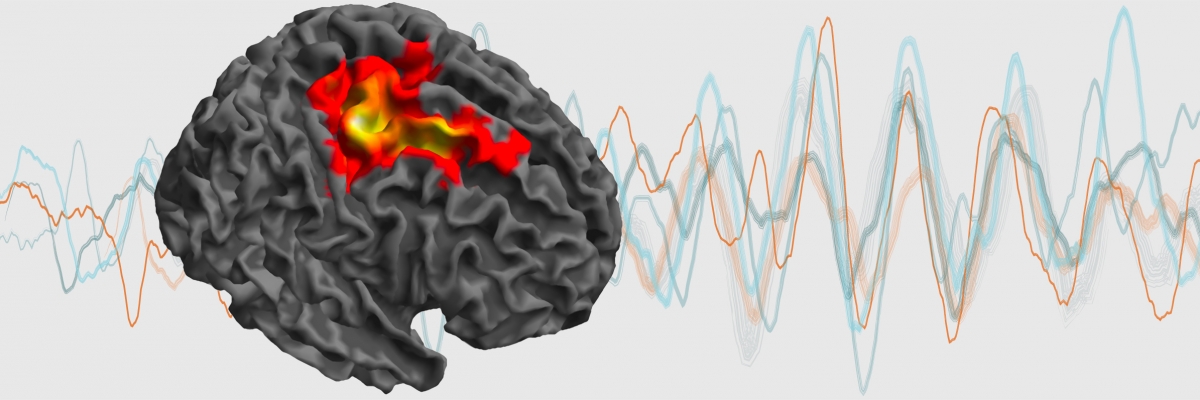
Our goal is to define how activity in large populations of neurons is coordinated in healthy movement and how such coordination may go awry in diseases, translating this information in to improved treatment for Parkinson’s Disease, Essential Tremor and other disorders of movement.
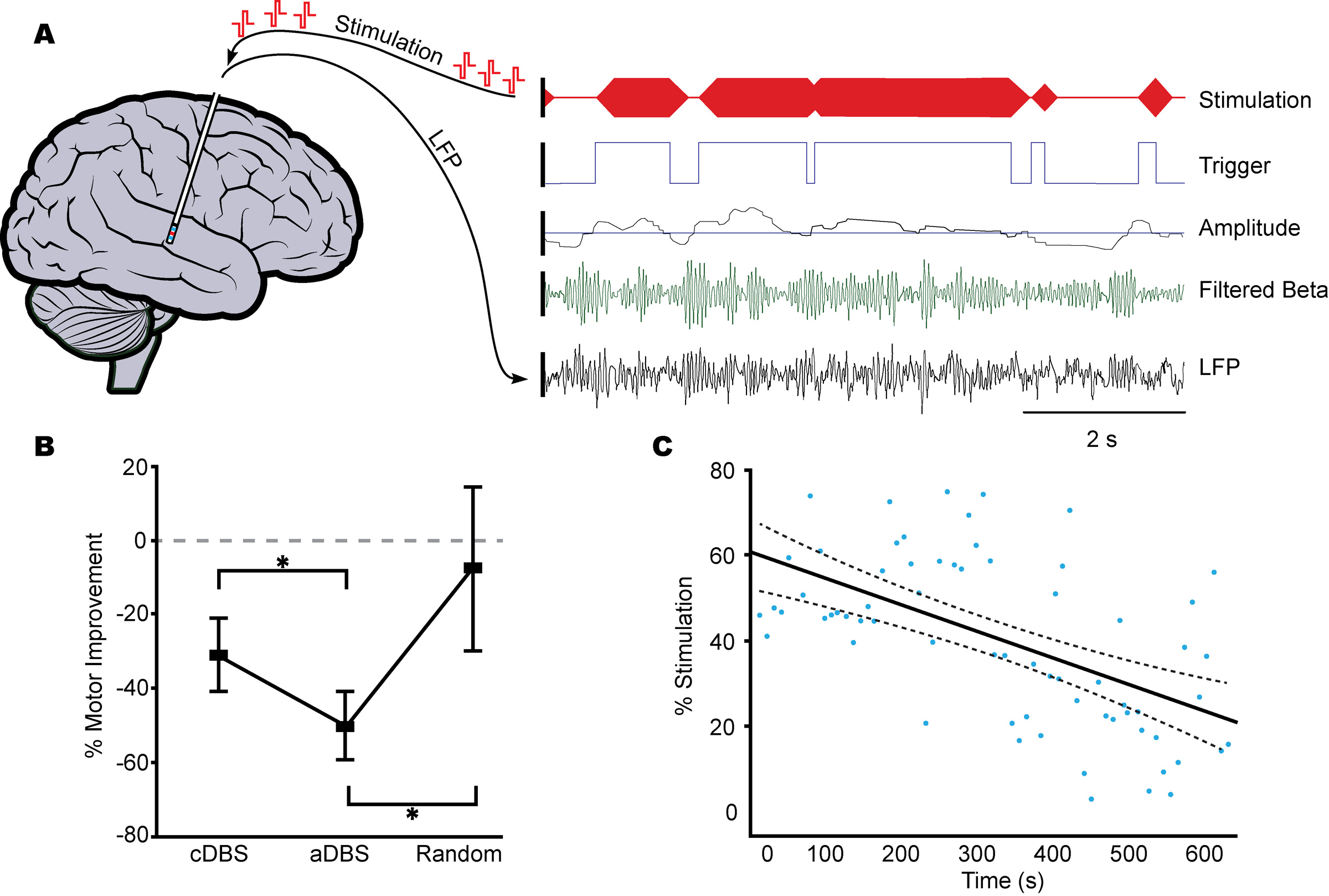
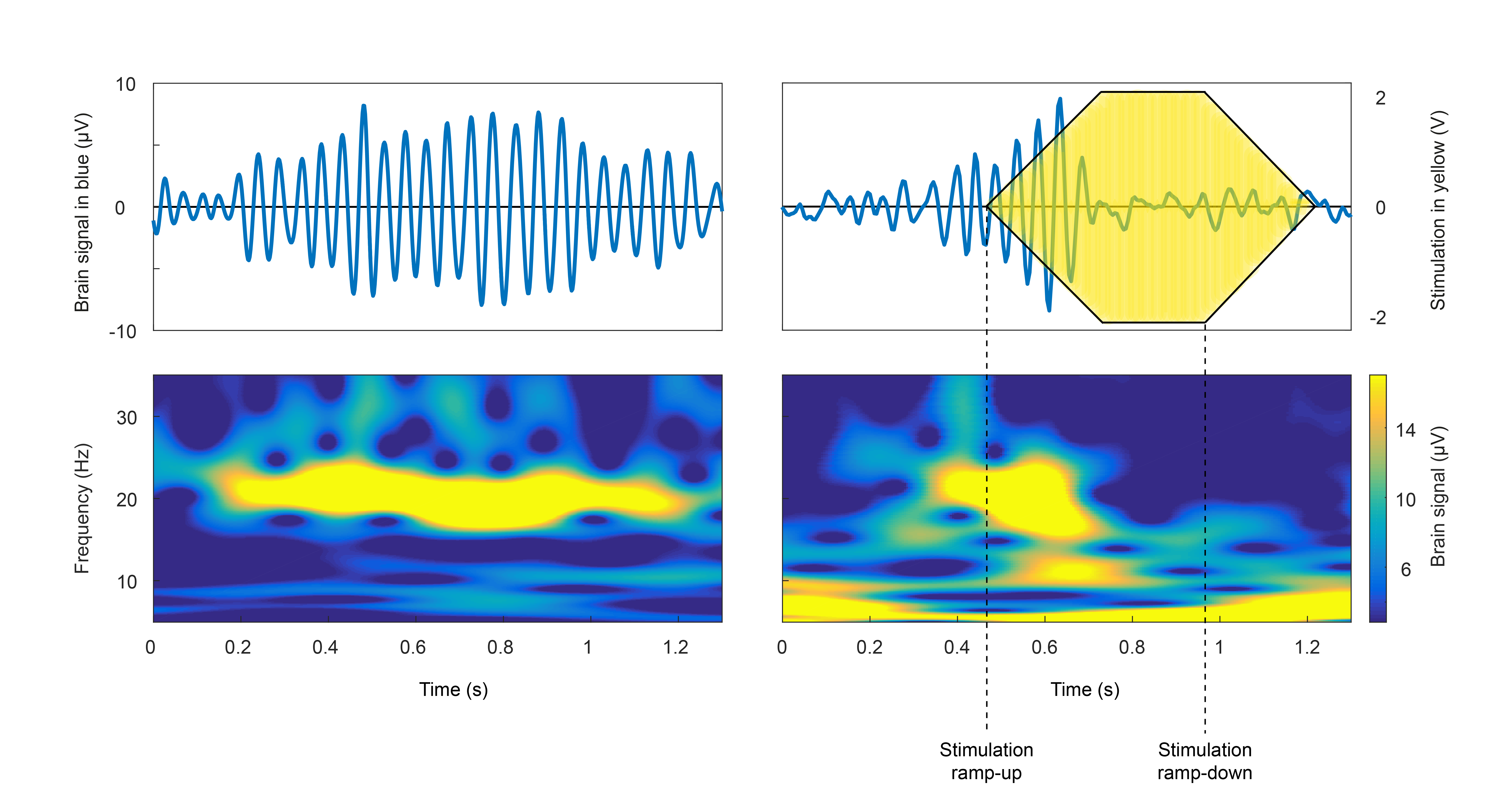
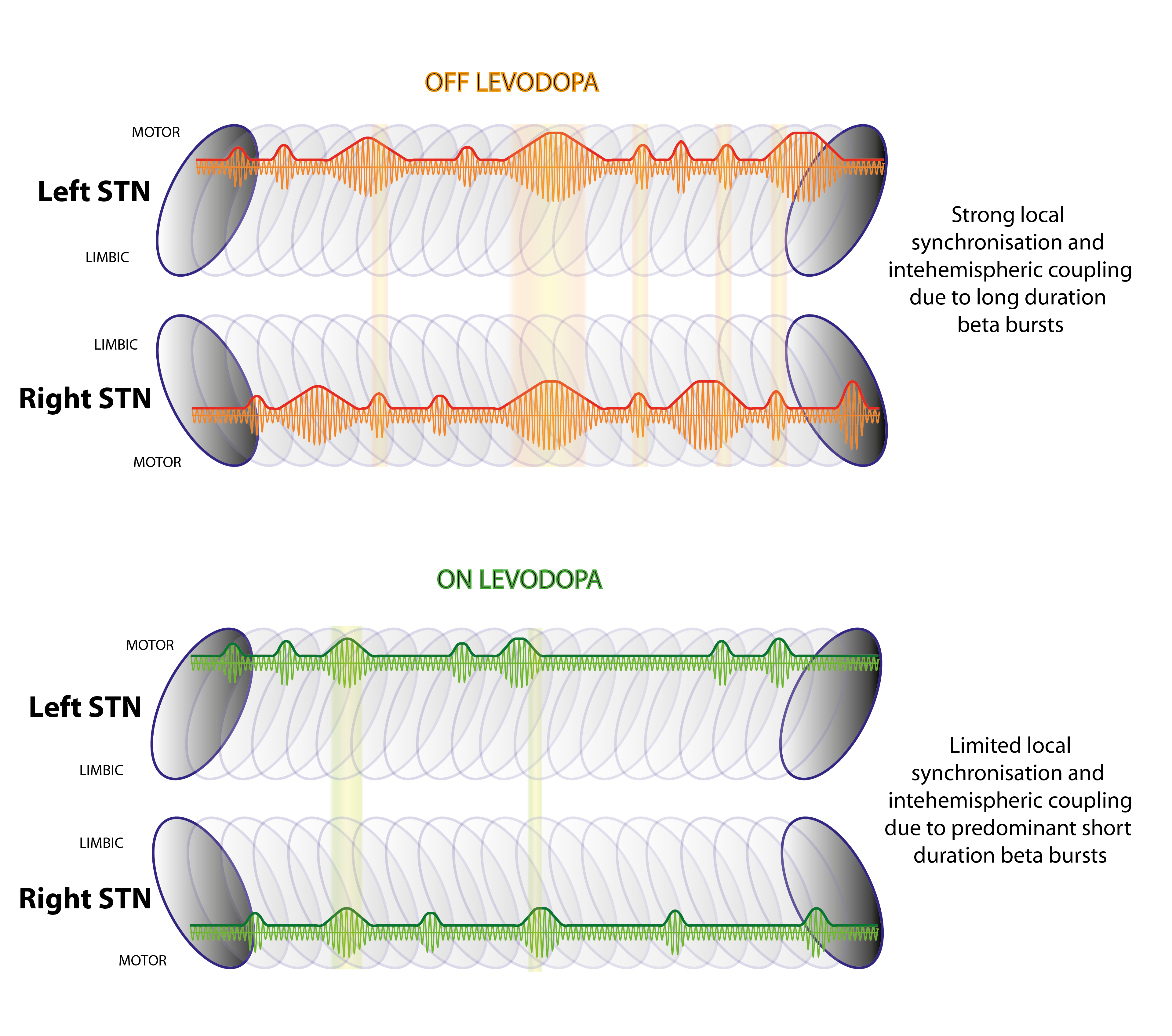
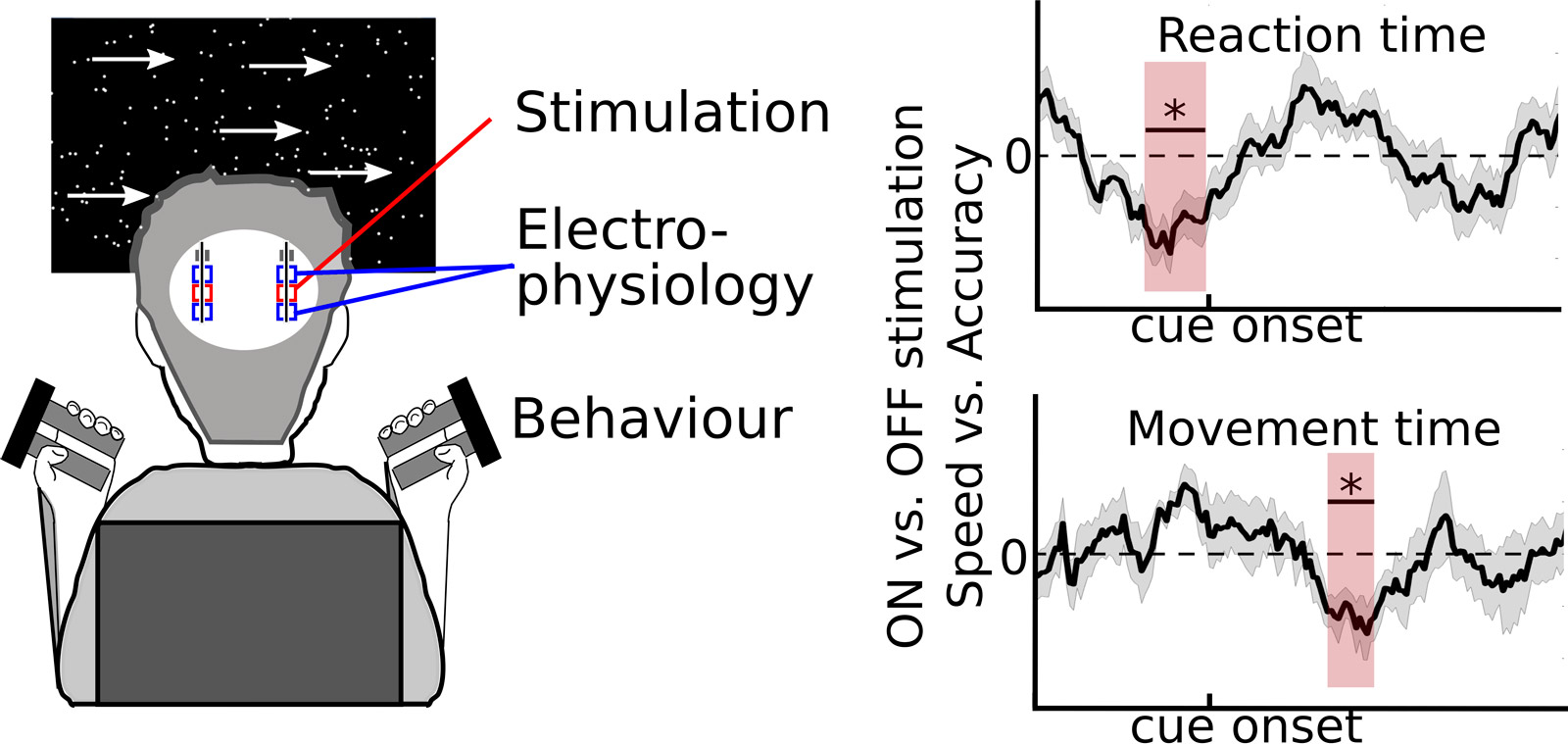
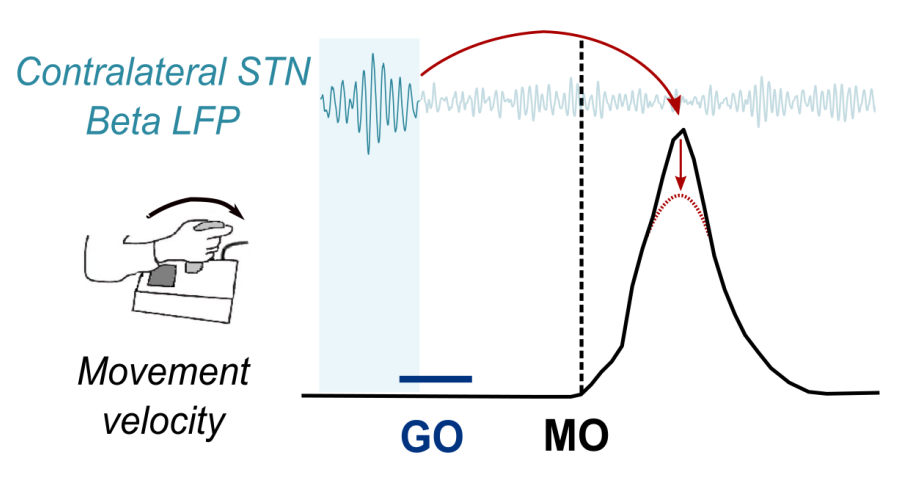
The Group takes a multidisciplinary approach, combining experimental manipulations in healthy subjects and patients with sophisticated signals analysis and modelling. Our experimental manipulations include non-invasive brain stimulation, and often involve patients who have had deep brain stimulation electrodes implanted as treatment for problems with movement. Over the years we have made major advances in understanding how abnormal interactions between brain cells cause slowness of movement, tremor and stiffness in people with Parkinson’s disease. At the same time we have leveraged these insights to pioneer closed-loop approaches to therapeutic brain stimulation. Currently we are refining these closed-loop strategies still further, and extending them to the treatment of gait dysfunction and essential tremor. We are also capitalising on our understanding of circuit dynamics in the basal ganglia to help predict, with high spatial resolution, optimal sites for therapeutic stimulation, and are exploiting local dynamics in basal ganglia nuclei as a basis for Brain-Computer Interfaces that control the environment for paralysed patients.
- Oscillations within subcortico-cortical motor loops in health and disease
- Decoding circuit dynamics to understand and manipulate function
- Closed-loop approaches to the treatment of movement disorders like Parkinson’s and Essential Tremor
- Development of novel BCI systems based on subcortical signals for neuroprosthetic control and neural feedback training
- Non-invasive brain stimulation
We are at the beginning of a therapeutic revolution whereby we can interact with neural dynamics from moment-to-moment as necessary to reverse or ameliorate dysfunctional brain activity. To this end, we must record and interpret brain signals in real-time with sufficient temporal and spatial resolution to give nuanced control. Although electrical brain stimulation is already affording major therapeutic benefits, there is vast scope for improving and extending this to provide adaptive and tailored interventions, and for harnessing recent advances in non-invasive stimulation techniques to deliver multisite manipulation of brain circuits.
We are committed to fostering an inclusive work environment that celebrates diversity and promotes equal opportunity within our group and the wider BNDU.

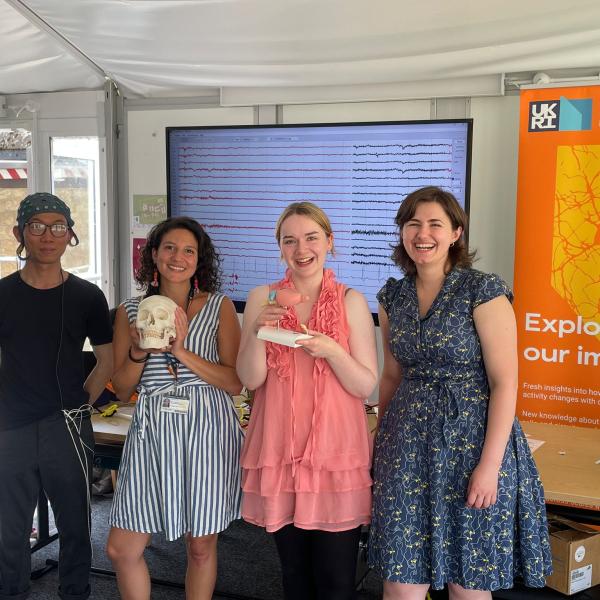
The enthusiastic BNDU team of scientists. (L-R) Shenghong, Chiara, Rosie and Ioana.

Mary Muers (far right) moderates an interactive session about training and career development opportunities.
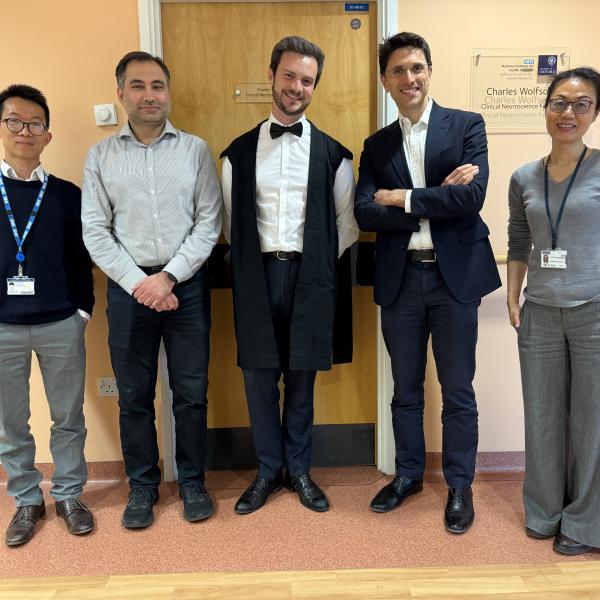
After the viva voce: A happy D.Phil. candidate (centre) with satisfied examiners (left and right) and proud supervisors (far left, far right).
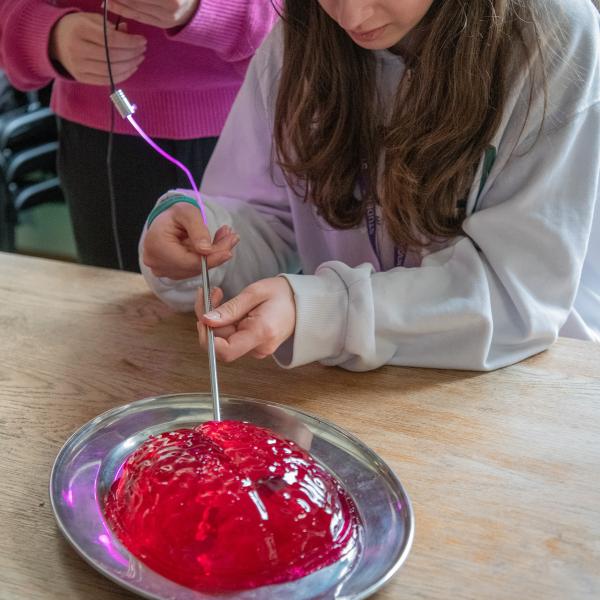
A visiting school pupil tries their hand at implanting a dummy stimulation electrode in a jelly brain!
Studentships
Project
Developing and testing brain stimulation patterns to promote half-harmonic entrainment for therapeutic benefit in Parkinson’s disease
Deep brain stimulation can markedly improve movement in people with Parkinson’s disease, yet we still do not fully understand how it works. Recent studies suggest that it may be particularly effective when gamma-frequency brain activity becomes synchronised to stimulation at half the stimulation frequency, a phenomenon known as half-harmonic entrainment. Understanding and improving deep brain stimulation therefore likely requires the ability to selectively control this synchronisation.
The overall goal of this PhD studentship is to develop new patterns of brain stimulation that promote gamma activity through half-harmonic entrainment, and to investigate whether doing so can improve movement in Parkinson’s disease. To achieve this, the project will combine mathematical modelling, experiments in healthy participants using non-invasive brain stimulation and electroencephalography, and a proof-of-concept study in people with Parkinson’s disease.
The project will take place in the Brain Network Dynamics Unit of the Nuffield Department of Clinical Neurosciences and in the Medical Research Council Centre of Research Excellence in Restorative Neural Dynamics (MRC CoRE RND). Students will benefit from the extensive interdisciplinary skills training and personalised career development opportunities available within the Unit and the MRC CoRE RND. Students will receive specialised training in their areas of project research (see below) as well as, for example, in the translation and commercialisation of research, best practice in Open Science, and how to effectively involve and engage patients and the public with research.
Spanning computational, experimental and clinical neuroscience, the studentship will provide advanced training in mathematical modelling of brain dynamics, the design and optimisation of brain stimulation, human electrophysiology and rigorous data analysis. You will gain hands-on experience with EEG and non-invasive brain stimulation in healthy participants. You will also have the opportunity to work with brain activity recordings and behavioural measurements from people with Parkinson’s disease undergoing deep brain stimulation. The project will additionally provide training in translating theoretical predictions into experiments in healthy participants and people with Parkinson’s disease.
This four-year Ph.D. (D.Phil.) studentship offers three years of full-time tuition fees at the Home rate, and four years of non-taxable stipend at the full-time UKRI rate (including any uplifts announced). Both Home students and International students are eligible to receive this funding package. Please see further details about MRC/UKRI studentships and UKRI guidance regarding Home and International eligibility. Successful offer-holders who have applied by the December deadline may also be considered for other University of Oxford scholarships.
Applications are invited from candidates who possess, or expect to receive a 1st class or upper 2nd class degree (or equivalent) in a related quantitative discipline, e.g. mathematics, physics, computer science, engineering. We also encourage applications from candidates with a degree in biological sciences or medicine who have experience with computational methods.
Previous experience in neuroscience research is highly desirable.
Candidates must contact the lead project supervisor before submitting an application. To find out more about this studentship, the research project, and the application process, please contact Dr Benoit Duchet by email on benoit.duchet@ndcn.ox.ac.uk.
To be considered for this studentship, please submit an application for admission to the D.Phil. in Clinical Neurosciences at the Nuffield Department of Clinical Neurosciences (course code RD_CU1), following the guidance for applications to this course. On the application form, in the section headed ‘Departmental Studentship Applications’, please indicate that you are applying for a studentship and enter the reference code “27NDCN01MRC” into the funding tab.
The closing date for applications is 12.00 midday UK time on Tuesday 1st December 2026.
Supervisors
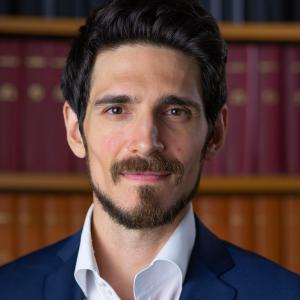

Applications are invited from both Home students and International students to join a multidisciplinary team of researchers studying the synchronisation of brain activity to deep brain stimulation in Parkinson’s disease. This studentship is available from the start of academic year 2027/28, is for 4 years, and will be co-supervised by Dr Benoit Duchet and Professor Huiling Tan at the MRC Centre of Research Excellence in Restorative Neural Dynamics.
Project
Phase-locked Deep Brain Stimulation to restore neural dynamics in Parkinson’s disease
In Parkinson’s disease (PD), abnormal brain rhythms—such as elevated beta waves and disrupted slow-wave sleep—contribute to movement and sleep problems. Phase-locked deep brain stimulation (DBS) can help correct these patterns by timing stimulation to specific phases of brain activity. Leveraging recent advances in real-time phase estimation and artefact removal, this project explores how phase-specific DBS may improve motor function and sleep in PD, moving toward personalised brain therapies.
This PhD project aims to explore how precisely timed, phase-locked deep brain stimulation (DBS) can improve movement and sleep symptoms in people with Parkinson’s (PwP) by modulating abnormal brain rhythms. It combines real-time brain signal processing with closed-loop stimulation to target beta activity during wakefulness and slow-wave activity during sleep. Students will work with PwP who have already received DBS, develop stimulation protocols using a computer-in-the-loop system, and help build software interfaces for implantable devices. Through collaboration with clinical and engineering teams, the project seeks to uncover how brain rhythms relate to behaviour and advance personalised neuromodulation therapies.
The project will take place in the Brain Network Dynamics Unit of the Nuffield Department of Clinical Neurosciences and in the Medical Research Council Centre of Research Excellence in Restorative Neural Dynamics (MRC CoRE RND). Students will benefit from the extensive interdisciplinary skills training and personalised career development opportunities available within the Unit and the MRC CoRE RND. Students will receive specialised training in their areas of project research (see below) as well as, for example, in the translation and commercialisation of research, best practice in Open Science, and how to effectively involve and engage patients and the public with research.
Students will receive advanced training in human neurophysiology, including recording and real-time processing of intracranial and scalp brain signals. They will gain hands-on experience with closed-loop brain stimulation systems and work directly with people with Parkinson’s, learning clinical research methods, behavioural testing, and sleep analysis. The project also builds skills in time-series analysis, machine learning, and software development for neurotechnology, including designing software interfaces for implantable devices. Collaboration across the MRC CoRE RND will support training in translational neuroscience and adaptive stimulation strategies.
This four-year Ph.D. (D.Phil.) studentship offers three years of full-time tuition fees at the Home rate, and four years of non-taxable stipend at the full-time UKRI rate (including any uplifts announced). Both Home students and International students are eligible to receive this funding package. Please see further details about MRC/UKRI studentships and UKRI guidance regarding Home and International eligibility. Successful offer-holders who have applied by the December deadline may also be considered for other University of Oxford scholarships.
Interested candidates should possess, or expect to receive, a 1st class or upper 2nd class degree (or equivalent) in a related scientific discipline, e.g. physical sciences, medicine, computer science, engineering, or mathematics. Previous experience in neuroscience research is highly desirable.
Candidates must contact the lead project supervisor before submitting an application. To find out more about this studentship, the research project, and the application process, please contact Prof Huiling Tan by email on huiling.tan@ndcn.ox.ac.uk.
To be considered for this studentship, please submit an application for admission to the D.Phil. in Clinical Neurosciences at the Nuffield Department of Clinical Neurosciences (course code RD_CU1), following the guidance for applications to this course. On the application form, in the section headed ‘Departmental Studentship Applications’, please indicate that you are applying for a studentship and enter the reference code “27NDCN01MRC” into the funding tab.
The closing date for applications is 12.00 midday UK time on Tuesday 1st December 2026.
Supervisors
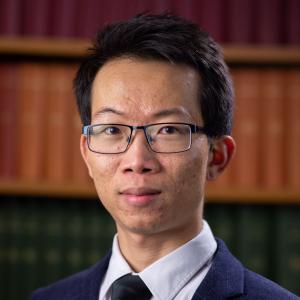
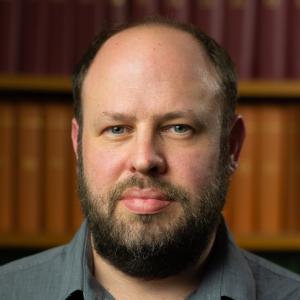
Applications are invited from both Home students and International students to join a multidisciplinary team of researchers studying phase-locked deep brain stimulation to improve movement and sleep in people with Parkinson’s disease. This studentship is available from the start of academic year 2027/28, is for 4 years, and will be co-supervised by Professor Huiling Tan, Dr Shenghong He, and Professor Andrew Sharott at the MRC Centre of Research Excellence in Restorative Neural Dynamics.
Like other Groups at the BNDU, we are committed to best practice in open research. We have created and curated a range of primary data, metadata and related resources that can be readily downloaded by external users from the BNDU's data sharing platform, Cambium.


